ROMA (ITALPRESS) – Not only health and social emergency: the rise of temperatures begins to weigh also on enterprises and consumption. According to an estimate of Confesercenti, conviving each year with thirty-sixty days of intense heat can weigh on the Italian economy between 6 and 12 billion euros, equal to approximately 0,2-0.4% of GDP, between greater energy costs, lower productivity, forced investments and turnover lost in the most exposed sectors. This is what emerges from a deepening conducted by the Confesercent Economic Office on the impact of high temperatures on the economy of the country, at this moment at its peak: already from Friday the Ministry of Health has extended to 16 cities the so-called red bubble, the maximum in the national alert system.
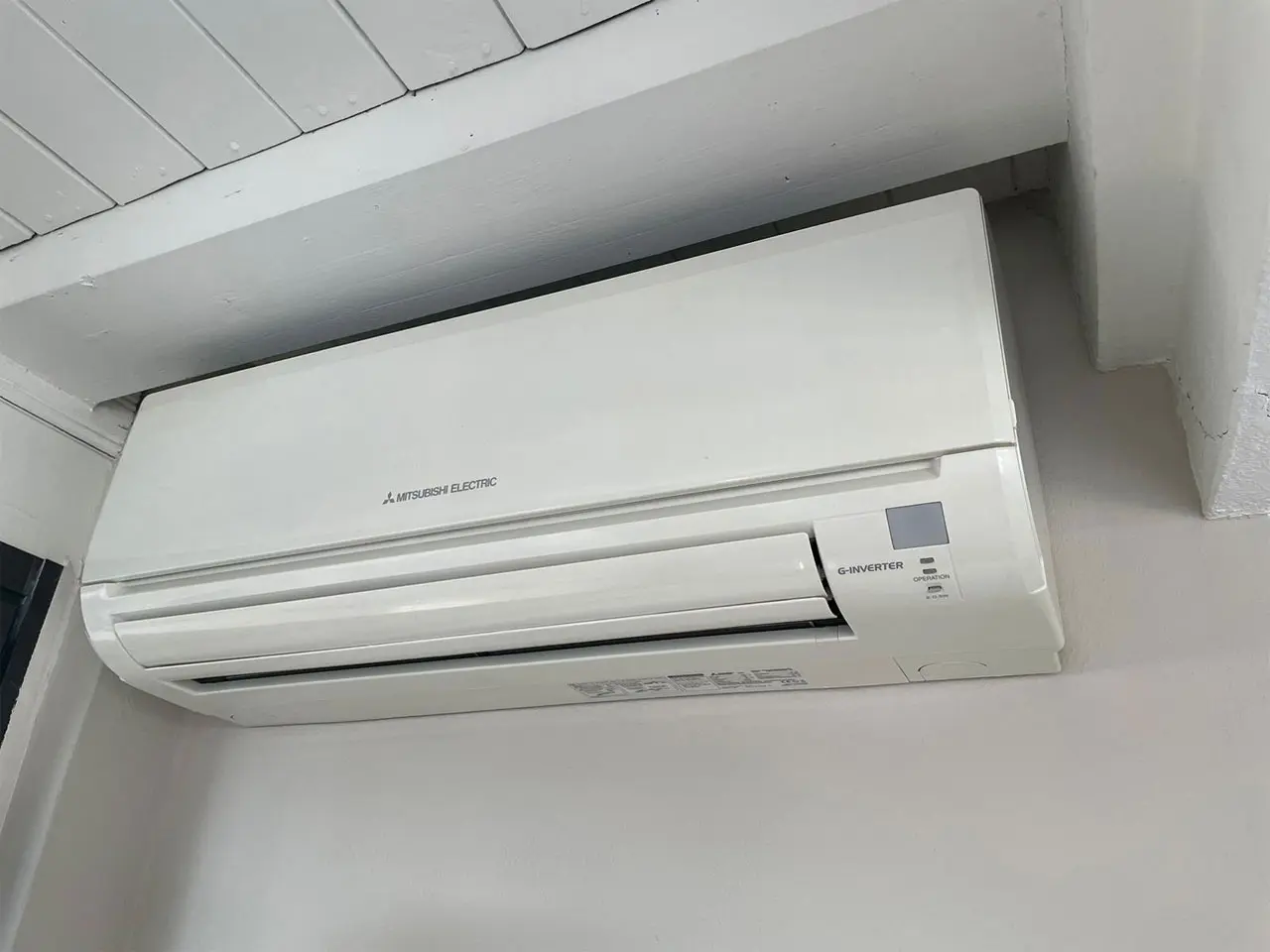
In detail, the heaviest voice is that of the investments now obligated – more efficient air conditioning systems, photovoltaics, screens and energy requalification of the buildings – estimated between 2 and 4 billion. Increased energy costs, between 2 and 3 billion, linked to the need to cool longer, and the decrease in labor productivity on intense hot days, estimated between 1.5 and 3 billion. Finally, 1-2 billion turnover lost in the most exposed sectors, from construction to agriculture to logistics and outpatient trade.
The ‘climatic’ tax. Heating has always been one of the main items of energy spending for families, to which are added today the costs of summer air conditioning: they spend on average about 150 euros, figure that could reach up to 400 in a few years. They must also be considered the purchase and replacement of air conditioners, increased water consumption and health costs related to thermal stress. The heat risks turning into a sort of “new climate tax”, which mainly weighs on the average-low incomes and the elderly.
A similar dynamic also concerns the companies: a bar or a shop that today supports 3,000 euros a year for refining could be spent 5,000-6,000 in a short time, which sum up the investments now indispensable in more efficient plants and the energy requalification of the buildings, a real obstacle of capital for the micro enterprises. The impact on productivity.
Above 35 degrees stable labor yield decreases: errors and absences grow by disease and decreases the ability of physical effort. The most exposed sectors are construction, agriculture, logistics, street trade and maintenance, along with small exercises and outdoor tourism, from markets to public exercises with dehors. If the days with high thermal stress continue to multiply, the country risks losing thousands of hours worked every year.
The effect on trade. In the central hours of the day the high temperatures empty the roads. The large air-conditioned containers and online platforms are gaining; the markets, shops of historical centers and neighborhood exercises are re-entertained in front of an additional pressure factor after the e-commerce and delocalization of sales. Consumers also change: fashion businesses record the decline in purchases of the heaviest winter garments, penalized by cold seasons, while in catering the dehors lose attractiveness and on rough days the customers prefer the air-conditioned rooms.
The effect on tourism and catering. The flows tend to move towards the shoulder months of June and September, at the expense of the heart of the summer, with a question that redistributes to the mountain areas and penalizes the cities of art in the hottest weeks. Catering also sees criticality: paradoxically, the summer afa discourages the use of dehors, reducing the potential capacity of public exercises.
“The extreme heat has become a real climate tax. The phenomenon has stopped being a meteorological emergency to become a structural economic variable, which affects investments, productivity, spending and consumption habits, even tourism. A challenge that is not overcome by leaving the problem to the initiative of individual families and enterprises”, says Nico Gronchi, President of Confesercenti.
“It needs a paradigm shift, with structural interventions. The solution in the long term probably lies in the deep thermal redevelopment of buildings and commercial structures and in an adaptive urban regeneration. Without courageous and immediate investments in the resilience of cities, climate change will continue to act as an accelerator of the economic crisis, emptying public space and weakening the competitiveness of the country system”.
-Photo IPA Agency-
(ITALPRESS).