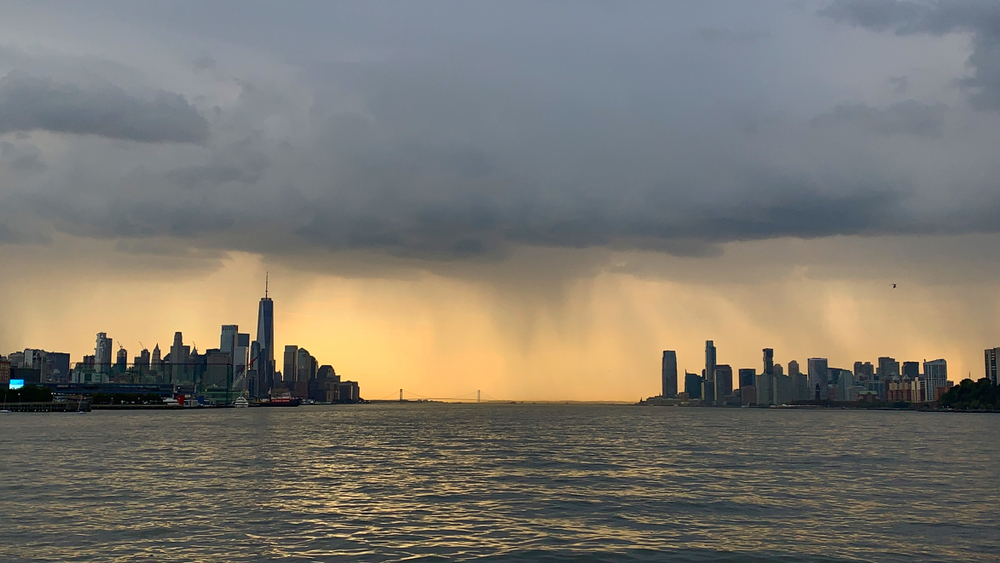
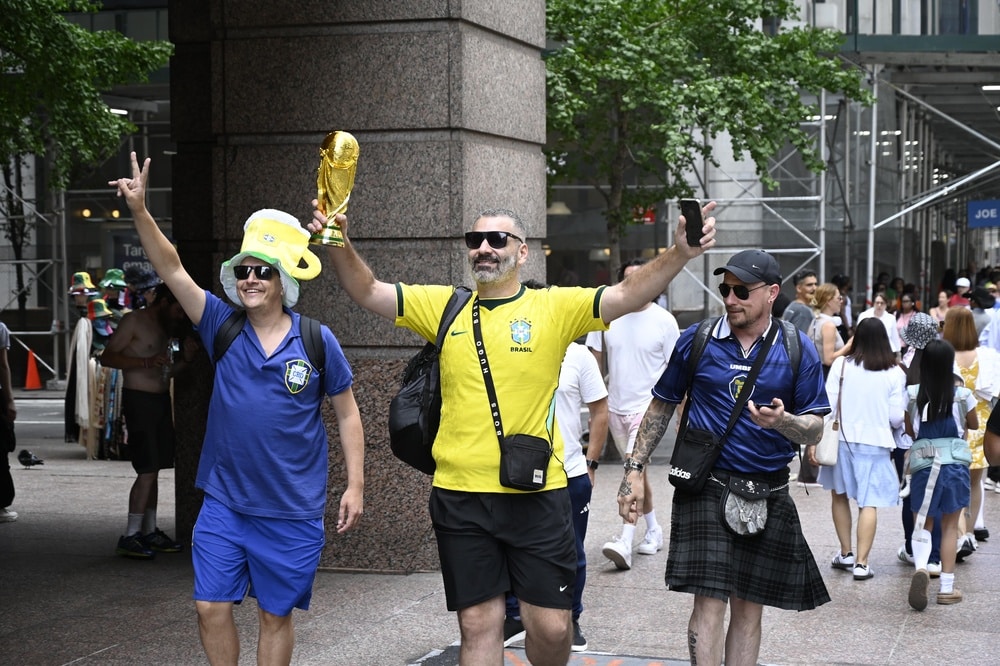
For more than a month, the football World Cup was very present in New York, although the eight games assigned to the region were all played at the MetLife Stadium in East Rutherford, New Jersey. More than 645 thousand people went to the stadium and over a million participated in the events organized in the two cities. The national jerseys filled Times Square, the bars set up screenings since the morning and some immigrant communities turned each game into a demonstration: the success of the tournament was above all this. Establishing, on the other hand, how much it earned the city will take much more time but, according to the first data of the organizing committee, some sectors went very well and others remained far from the forecasts.
A year before the tournament, the New York-New Jersey committee estimated the arrival of at least 1.2 million visitors, 1.7 billion dollars of direct spending and a total impact of 3.3 billion. The forecast, elaborated with Tourism Economics, also included 26 thousand jobs supported and 432 million state and local tax revenue. For the five matches played in June, the committee says that visitors spent $1.2 billion, producing a total impact of €2.1 billion and €228 million. They are still provisional and partly built through economic models: direct expenditure indicates the money left by visitors, while the overall impact adds the successive effects of that expenditure on the regional economy. It does not correspond therefore to the sum of deposits recorded by hotels, restaurants and shops. The initial forecasts and criteria used to formulate them were published by the Organizing Committee.
Hotels show this difference well. The Hotel Association of New York City had provided between $250 and $300 million in additional revenue compared to the same period of 2025. Finally, the increase should stop between 100 and 150 million. Between 8 June and 4 July the revenues of the rooms have however grown of 21 percent, according to the state of New York. A significant part of the increase depends on the highest prices: the New York comptroller’s office has found rates above 2025, with employment rates remaining more or less equal. The hotels have therefore earned more for each room, but without receiving the number of guests expected.
Short rents followed a different geography: in the days of the first matches the demand in New York decreased up to 8 percent compared to the previous year, while in Jersey City and Newark grew up to 24 percent. For the final the increase was 37 percent in New Jersey and just 3 percent in New York. It has contributed the city legislation on rents under thirty days: in New York you can not rent an entire apartment, the owner must stay in the house and can accommodate up to two people. Many fans have therefore sought accommodation on the other side of the Hudson, closer to the stadium.
In Manhattan, the benefits were concentrated especially in places where you could see the matches. In the bars and restaurants of the region beer sales grew by 14 percent compared to 2025. The locals already associated with a national, such as those usually attended by Argentine fans, had to refuse customers on the days of the matches. Times Square recorded on average 254.400 pedestrians a day between mid-June and mid-July, 7 percent more than the same period of the previous year, with a tip of over 305 thousand.
The greater presence of people has not produced the same result for all tourist activities. Guided tours, souvenir shops and some attractions received fewer customers than expected. Many visitors had arrived to follow a game and concentrated time and expenses on the tournament. A similar dynamic has been seen around MetLife Stadium. Redd’s, a restaurant less than a kilometre from the plant, filled a tensostructure for projections and organized shuttles for fans. A little further away, Steve’s Sizzling Steaks lost 40 percent of the revenue in the days of the games: traffic alerts had convinced many regular customers to avoid the area.
The transport system has been better than it is planned, but at a high cost. NJ Transit has taken to the stadium between 22 thousand and 26 thousand people per game, for a total of about 185 thousand tickets. The journey from Penn Station lasted on average 35 minutes and, after the confusion of the first day, there were no significant blocks. The return ticket cost however 98 dollars, against the approximately 13 required normally: before the protests had been announced to 150 dollars. The shuttle organized by the state of New York, reduced from 80 to 20 dollars, sold almost 120 thousand tickets. The initial plan included up to 40 thousand railway passengers per meeting; the prices and the overestimated demand left more people than expected on the roads. The parking lot started at $225 and on weekdays long queues were formed around the stadium. NJ Transit had justified tariffs with additional service costs.
In previous hours, the Penn Station section used by NJ Transit was closed to normal commuters, which in some days were delayed several hours. The agency had prepared the service counting on many more passengers and now includes 31.5 million dollars of tournament expenses. Tickets sold may not be enough to cover them; a final count is expected in the coming weeks.
There is also the cost for administrations: New York and New Jersey have in fact funded security, transport, public events and infrastructure around the stadium. In June New York City spent $138 million in police overtime, against 96 million in the same month of 2025. The increase also includes celebrations for Knicks and other events, so it cannot be attributed entirely to the World Championship. The comptroller Mark Levine estimated between $26 and $44 million of higher revenue from the single city sales tax. This data also covers a limited part of the account: to understand the net result will serve the final expenses incurred by the different administrations.
The World Championship, in short, filled the stadium, fans zones and locals that had been able to bind to the nationals, brought more revenues to the hotels, without the boom announced, and pushed a consistent part of the demand towards New Jersey. The first numbers then describe an objective benefit, but distributed in a very irregular way. The achievement of the 3.3 billion promises can only be assessed by comparing additional expenditure with public costs and ordinary visitors who have avoided the city. The social effect is already appreciable: for many New York communities, during the tournament their national team played at home. It is an important result that is not measured by adding the receipts.
Did the World Cup really earn New York? It’s from IlNewyorkese.