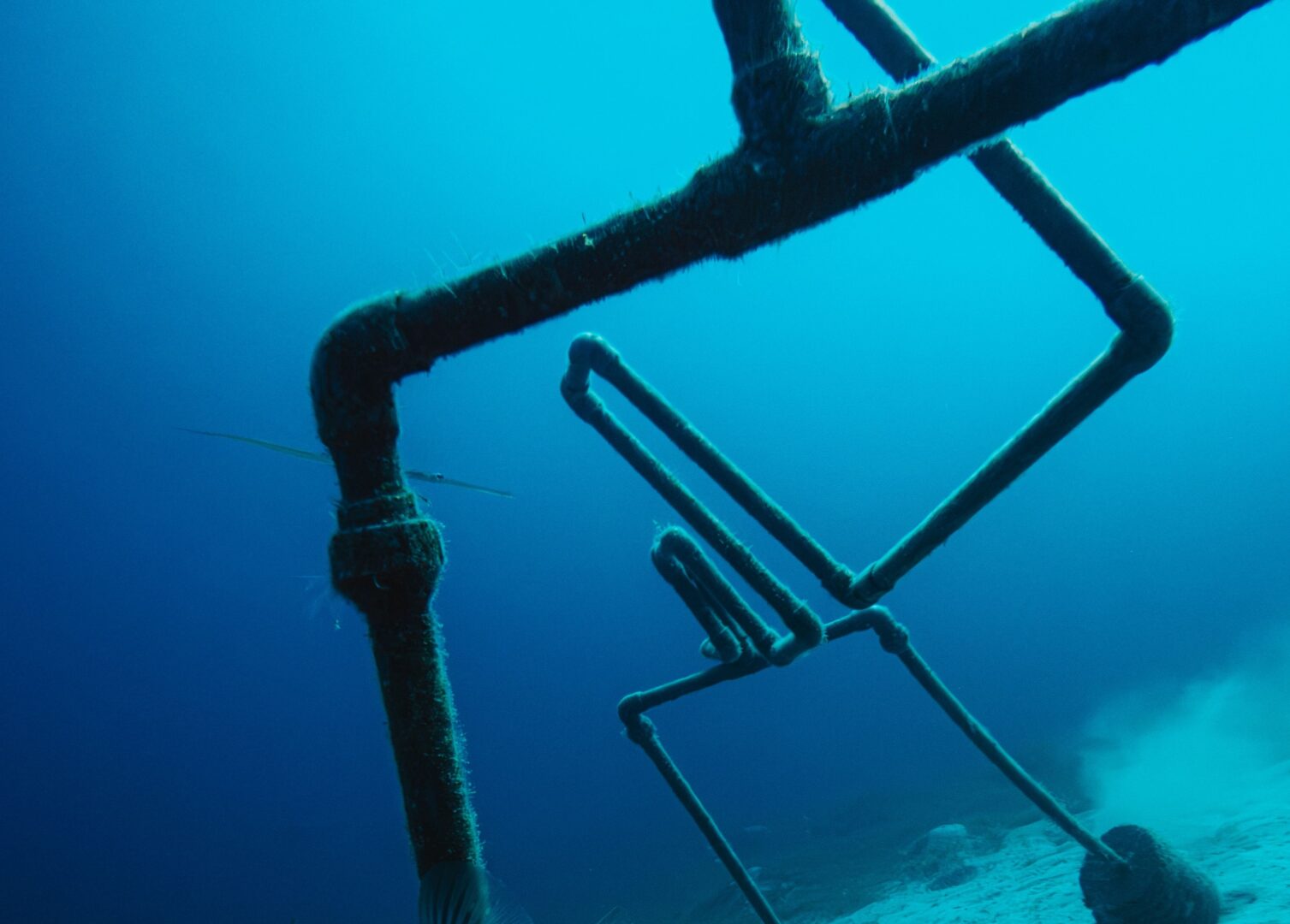
ROMA (ITALPRESS) – The underwater dimension is taking a central role in economic, energy and geopolitical balances: submarine cables, electrical interconnections, pipelines and pipelines support essential flows of data and energy, whose continuity depends on infrastructure protection and the ability to prevent and manage risks. These themes at the center of the new Deloitte paper presented this morning. According to the estimates Deloitte, the Italian underwater sector generates revenues for approximately 25,4 billion euros, records an added value of 7,4 billion and an EBITDA of approximately 3.4 billion, employing approximately 49,6 thousand employees. The ratio between added value and revenues is 29.1%, while the aggregate EBITDA margin is 13.4%: it is a sector with a high intensity of skills, in which a significant share of the value generated is destined to the remuneration of the work: the cost of the staff is approximately 3.5 billion euros. The compartment has a strongly polarized structure. In Deloitte’s analysis, large companies – i.e. those with revenues exceeding 50 million euros and staff with more than 250 employees – are 26, equal to 16.4% of the analyzed perimeter, but generate 90% of added value and 87.9% of employment.
To the extreme opposite, the 57 microenters representing about one third of the analysis sample companies, contribute 0.5% of the added value. The median company of the sample produces revenues attributable to approximately 8.1 million euros and employs 32 employees: next to a few large integrated operators therefore lives a widespread fabric of pmi specialized in technological and service niches. The concentration is also high at a single enterprise level: the first five companies for added value explain about 70.5% of the added value of the sector and the first ten 82%. The only first operator weighs 39.1% of the total, confirming the driving role of major players in offshore engineering and planting. The geographical distribution highlights a strong concentration in Northern Italy, which represents about 80% of the total added value of the sample. Lombardy is the region with the highest contribution in terms of added value, equal to approximately 4.4 billion euros (59%), also because of the presence of the legal offices of the main groups of the sector. They follow, in terms of incidence, Lazio (15.4%), Friuli-Venezia Giulia (8.4%) and Emilia-Romagna (6.6%).
Overall, the Centre contributes to around 19.1%, while South and Islands represent only 0.9%. In terms of economic activity, added value is concentrated in offshore engineering and construction (39.1%), followed by the production of cables and electronic equipment (15.8%) and oil extraction activities (9.9%). In terms of the variety, however, the most populated divisions are the manufacture of machinery (20 companies), civil engineering works (17) and engineering and embossed services (13): the supply chain therefore appears articulated on a core of large customers and supplements and on a broad basis of component suppliers, technical services and specialized processing. “For Italy, the underwater dimension is at the same time an advantage and vulnerability. The Italian backdrops, in fact, host telecommunications networks and energy links essential for the safety and competitiveness of all Europe. To make the best use of the geographical position of Italy, it is necessary, then, to treat the underwater as an integrated strategic system, coordinating investments, security, planning of the marine space, maintenance and protection of the economic operators”, Fabio Pompei, CEO of Deloitte Central Mediterranean.
– photos Pexels.com –
(ITALPRESS).