ROMA (ITALPRESS) – The Italian financial system is solid and resilient, but it has to deal with an increase in global vulnerabilities dictated by the Middle East conflict and persistent geopolitical tensions. This is what emerges from the first Report on Financial Stability of 2026 published today by the Bank of Italy. According to the National Way Institute, the outbreak of hostilities has led to an tightening of international financial conditions, leading to a downward revision of global growth estimates and a rise in inflation expectations. In Italy, although the macrofinancial condition remained stable until February, the beginning of the conflict prompted the returns of state bonds and increased volatility on stock markets, even in an orderly operating context of trade. The Italian banking system boasts high levels of wealth and profitability, with a ROE climbed to 13,8% in 2025 and an average CET1 coefficient of 15.7%. However, a prolongation of the conflict could deteriorate the quality of the assets, especially for companies most exposed to energy risk. The financial situation of families and enterprises remains balanced thanks to a low debt and a solid wealth of assets. The debt share of vulnerable households is estimated to rise slightly to 8.5% for 2026. For enterprises, the financial debt is at the very least historic (58% of GDP), but they weigh uncertainty and the rise of production costs.
The BTP-Bund spread touched a peak of about 100 base points after the war began, and then repositioned on contained values. The debt/GDP ratio rose to 137.1% in 2025 and the forecasts indicate a further increase in 2026 before a gradual reduction. The insurance sector remains solid with an average solvency index of 274%. However, Ivass reports potential risks arising from latent lower rates on fixed-income securities in the event of further returns. A specific focus of the report analyses the exposure to the “Magnificent 7” and the U.S. technology sector, defining it altogether limited (less than 1% of the residents’ financial assets).
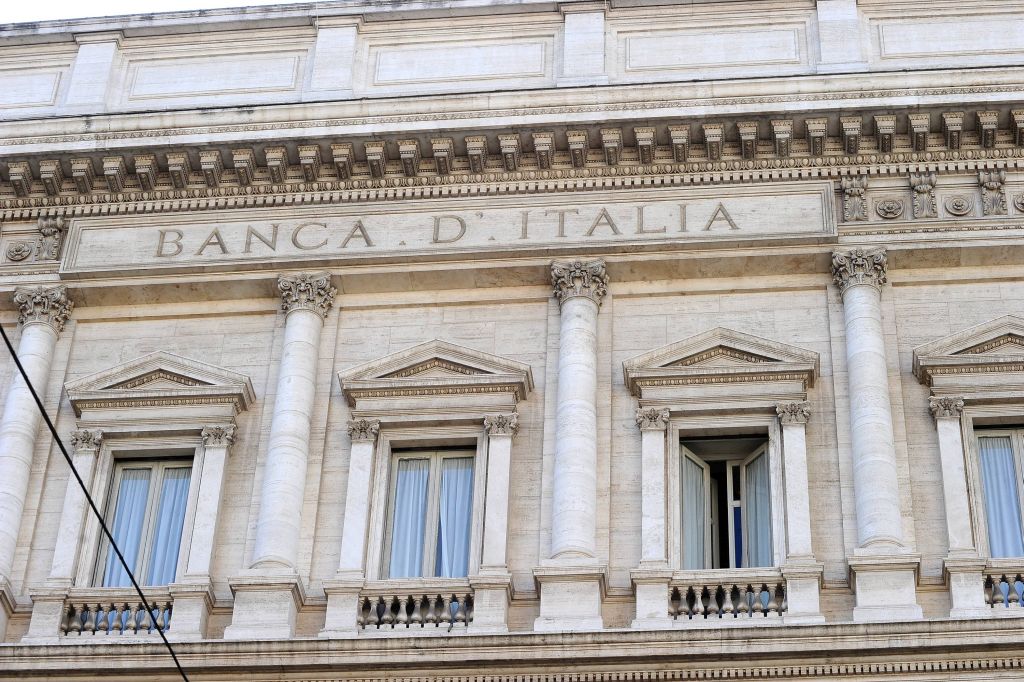
– photo IPA Agency –
(ITALPRESS).