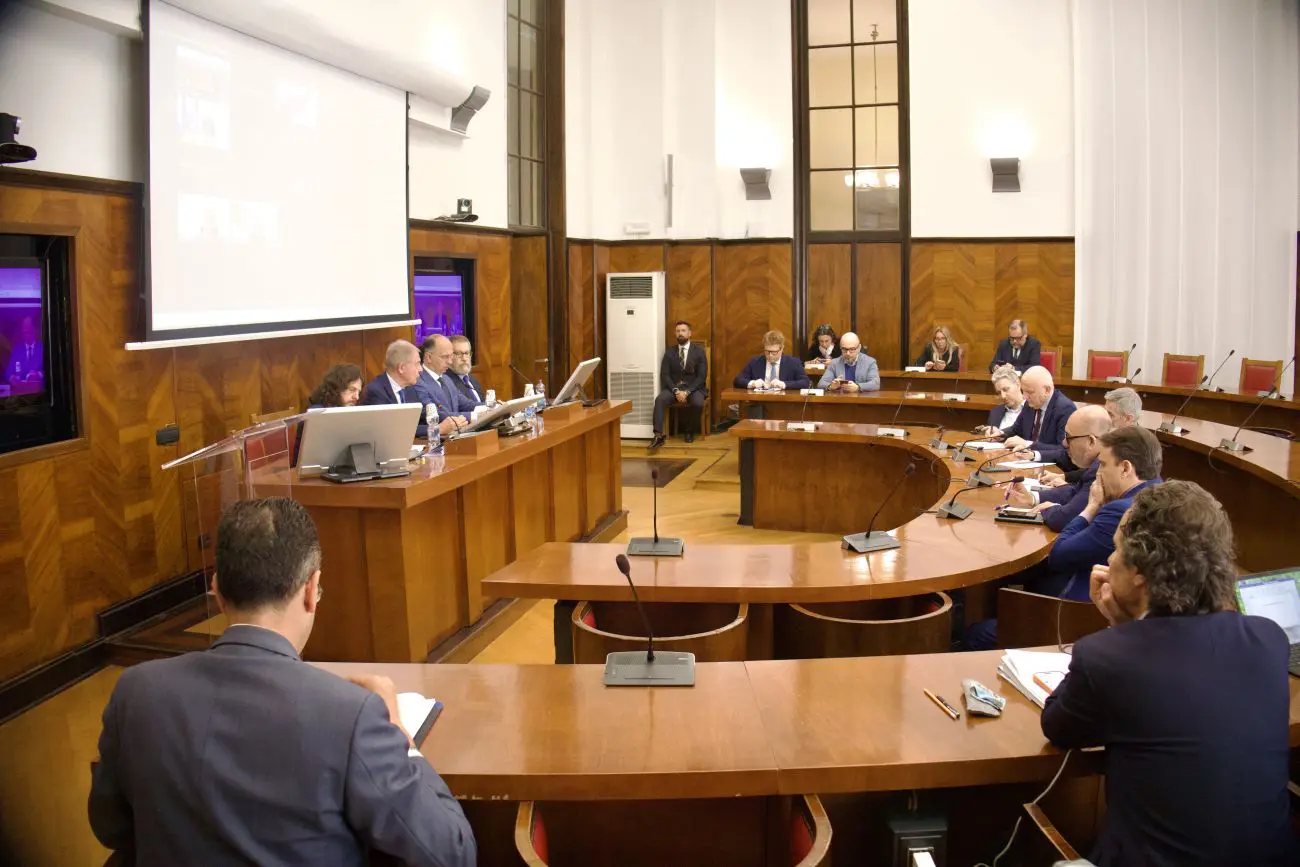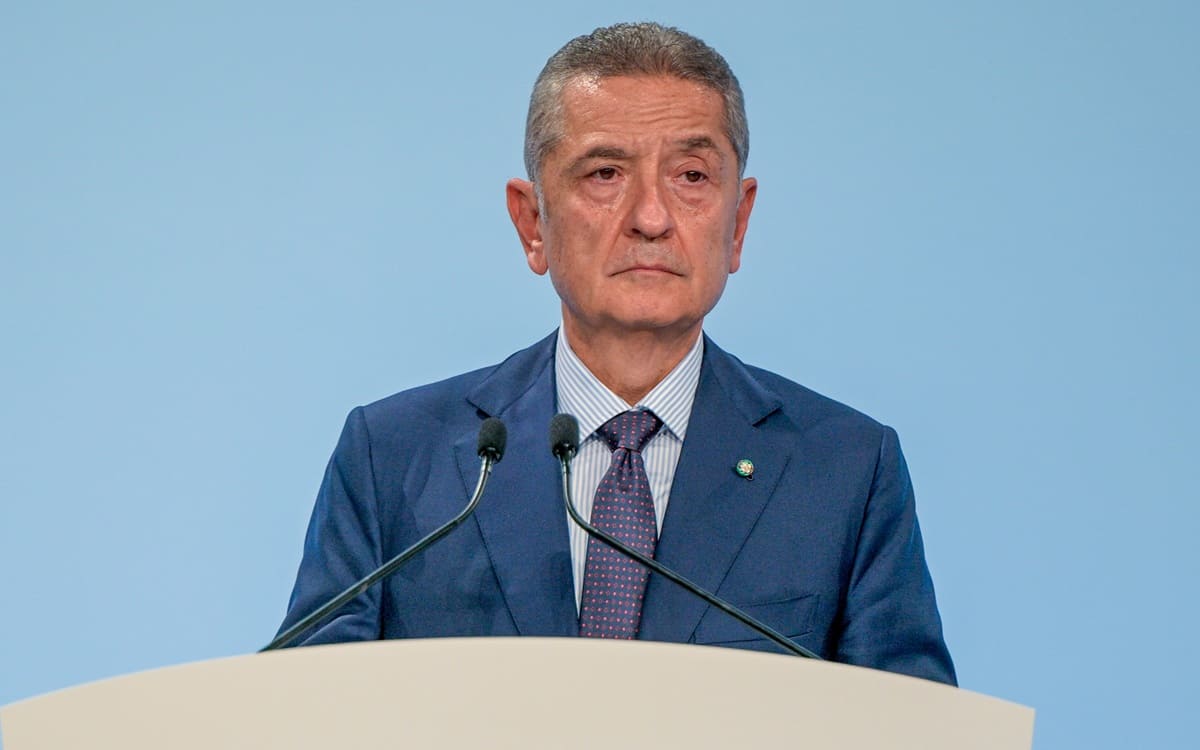
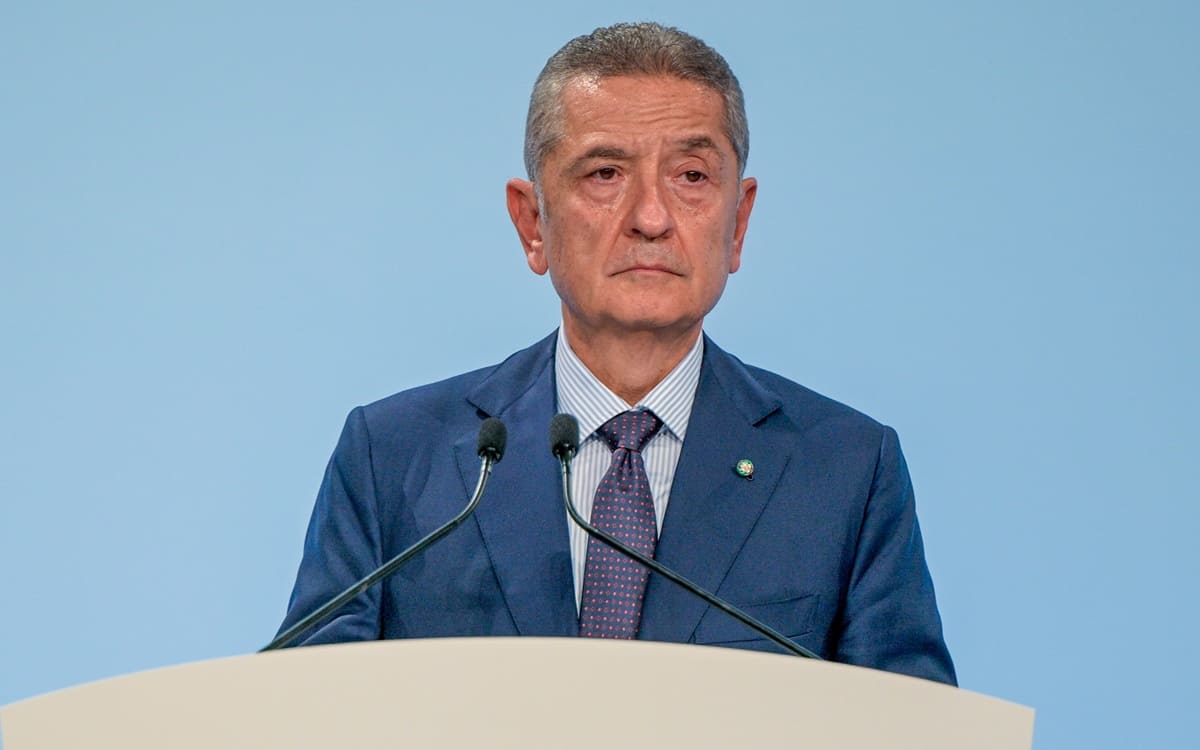
ROMA (ITALPRESS) – “Europe must not only make the euro area more resilient to shocks, but must also prepare for a world where security, technology, finance and monetary sovereignty are increasingly interconnected. This requires the political will to complete the institutional architecture of the euro.” Thus the Governor of Bankitalia, Fabio Panetta, at the Workshop in memory of Robert Mundell organized by the Bank of Italy in collaboration with the Centre for Economic Policy Research (CEPR) and the LUISS University of Rome.
For Panetta “ progress is needed on three fronts. The first objective is to raise economic growth through common reforms and investments. Europe must strengthen innovation, consolidate the single market and reach the size needed to compete in advanced technologies,” he said.
“But the only reforms are not enough. As Professor Mundell had already understood, integration is necessary to grasp the positive effects in areas such as communications, education, technology and defence. Today, this requires joint projects on research, energy, decarbonization, digital infrastructure and artificial intelligence.”.
The second front for Panetta “consists in transforming European capital markets into a real union of savings and investment“. It is a “strategic goal: Europe cannot finance innovation, green transition and defence capabilities through fragmented national markets. A simpler and more harmonised regulation is required, together with a European safe haven provided jointly by the Member States, to provide financial depth and convey European savings to European priorities.”.
Then the third front is “in strengthening the backbone of the euro by completing the digitization of the European payment system”. Today “critical infrastructure has become geopolitical pressure tools and payments are no exception. Ensure that the central bank currency remains available in digital format wherever payments take place – in retail and wholesale markets, at national and cross-border level – is therefore an integral part of Europe’s monetary and political sovereignty.”.
For retail payments, “the digital euro would ensure citizens continue to have access to the central bank’s currency in their daily transactions, while strengthening Europe’s autonomy in an increasingly divided and digitised world,” he recalls.
-Photo IPA Agency-
(ITALPRESS).