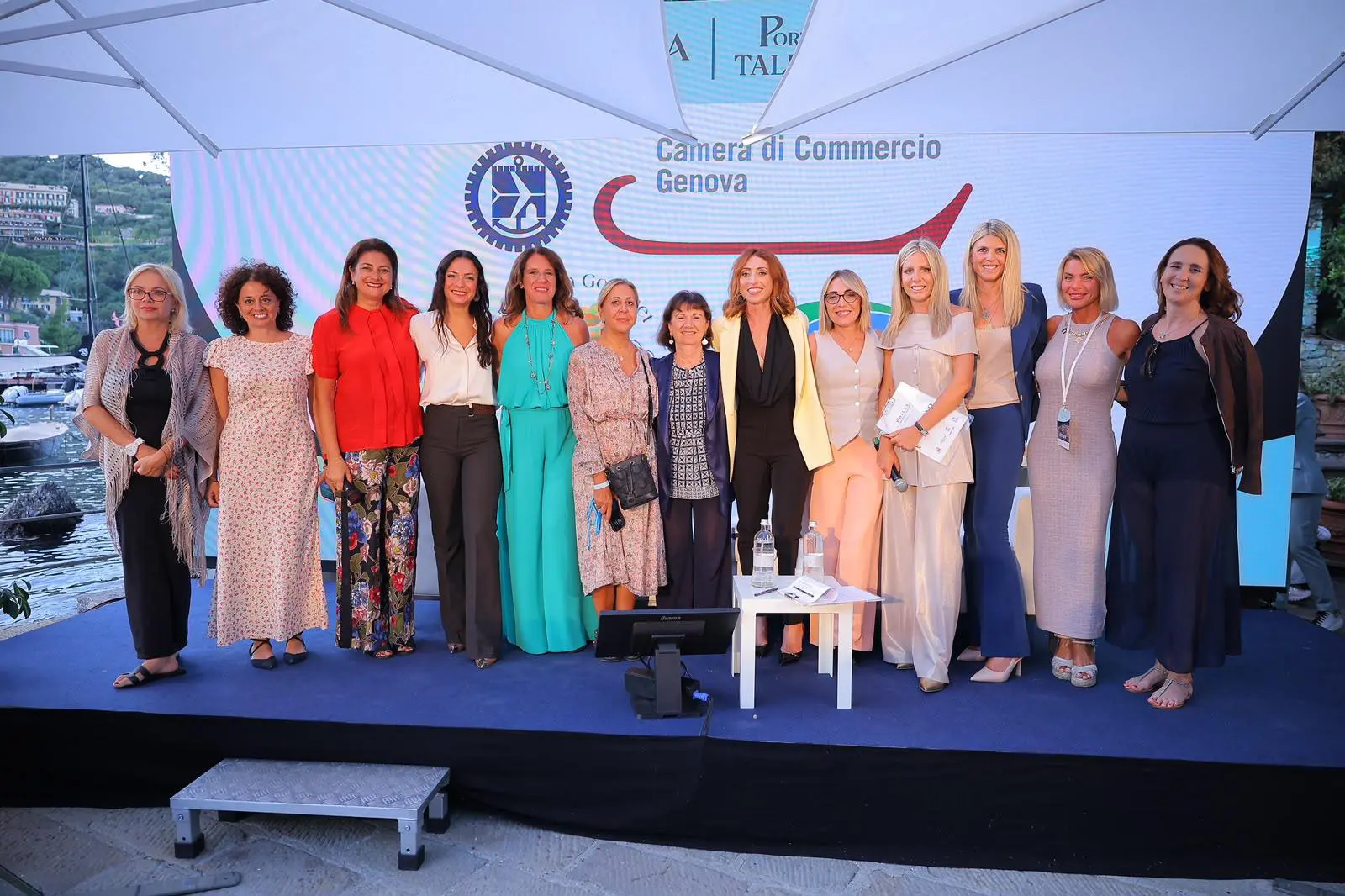
GENOVA (ITALPRESS) – During the panel dedicated to political communication in the election year, between continuity and change and with a focus on women’s thinking, in the context of the Portofino Talks organized by Philia Associates, the data of a SocialCom study for Italian Journalists were presented. A debate on the electoral law in high acceleration emerges from the research: between June 15 and September 158 thousand conversations and 6.5 million interactions, with a leap of 67% recorded only in the last 30 days, coinciding with the most discussed passages in Parliament.
Above all, the theme of preferences remains at the centre, which alone collects 48% of the interactions related to reform, much more than blocked leaders and a majority prize.
“The electoral law is the heart of citizenship and the possibility of exercising the choice, of exercising popular sovereignty”, said the Minister Eugenia Roccella during the panel moderated by Paola Ferazzoli, President GI who also participated in Giulia Di Stefano conducter Agorà Extra and Francesca De Martino Director Rai Parliament, underlining how, when the debate develops, “people interested, and above all interested in the possibility of choosing. We do not forget that this is the first government after so many years that descends from the choice of voters.”.
A circumstance from which, according to Roccella, also derives the stability of the government that for the ministra allows “to put into place the program, to do the things for which the citizen chose you, for which he gave you a mandate”, reasserting that “stability is fundamental and electoral law is a fundamental tool for popular sovereignty”.
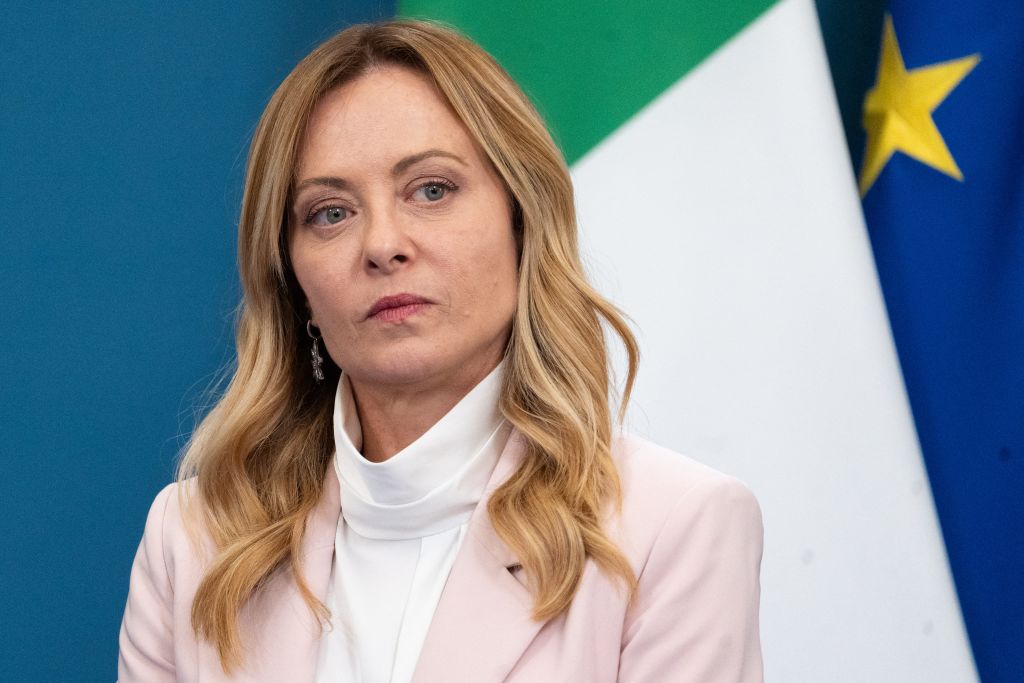
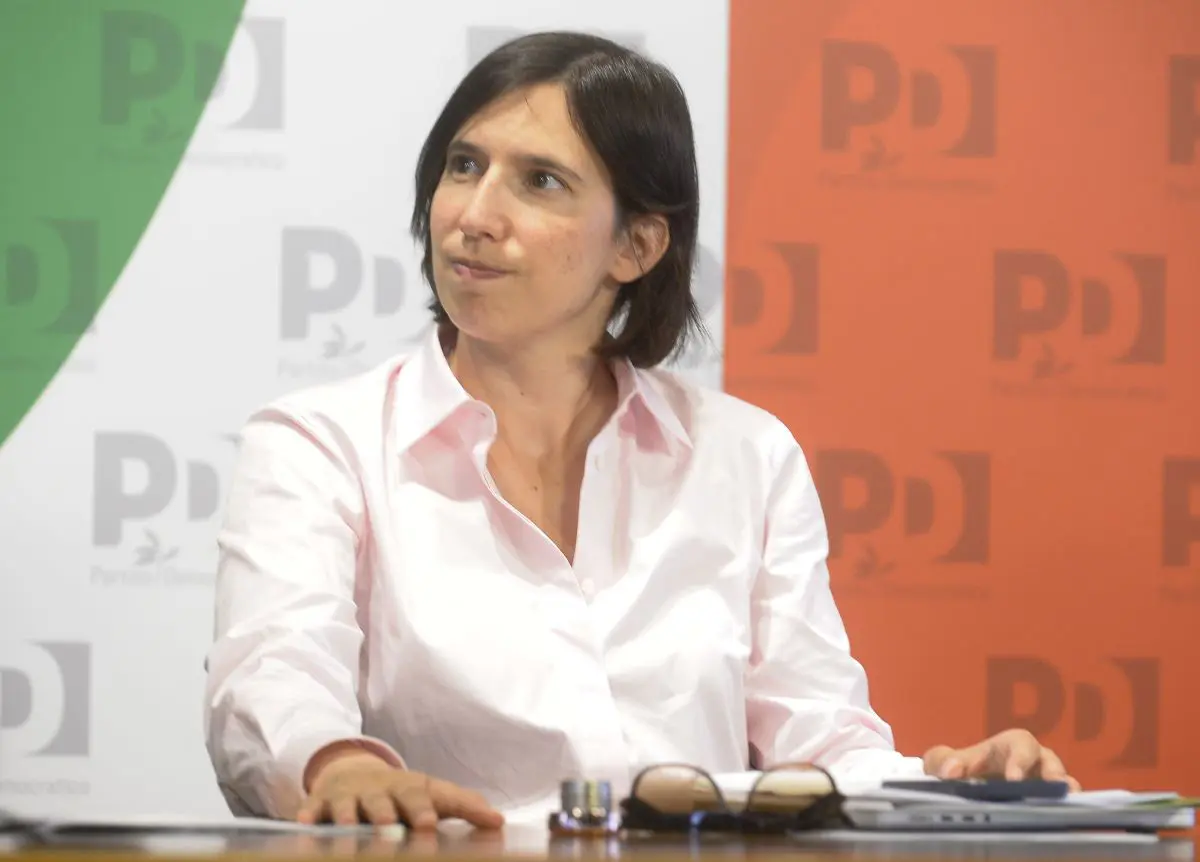
As for the protagonists of the comparison, Government and majority collect 61% of the interactions, against 21% of the Largo Field. The same trend is found in the most mentioned names: Giorgia Meloni appears in 41% of the posts analyzed, followed by Roberto Vannacci at 13%, Elly Schlein at 10% and Giuseppe Conte at 9%.
On the progressive move to the web of the ability to direct public debate, the ministra highlighted the risks of simplification and radicalisation: “The complexity with which politicians have to deal with cannot be ignored, cannot become just slogans, as sometimes happens when commenting on the measures.”.
– Press office photos Philia Associates –
(ITALPRESS).