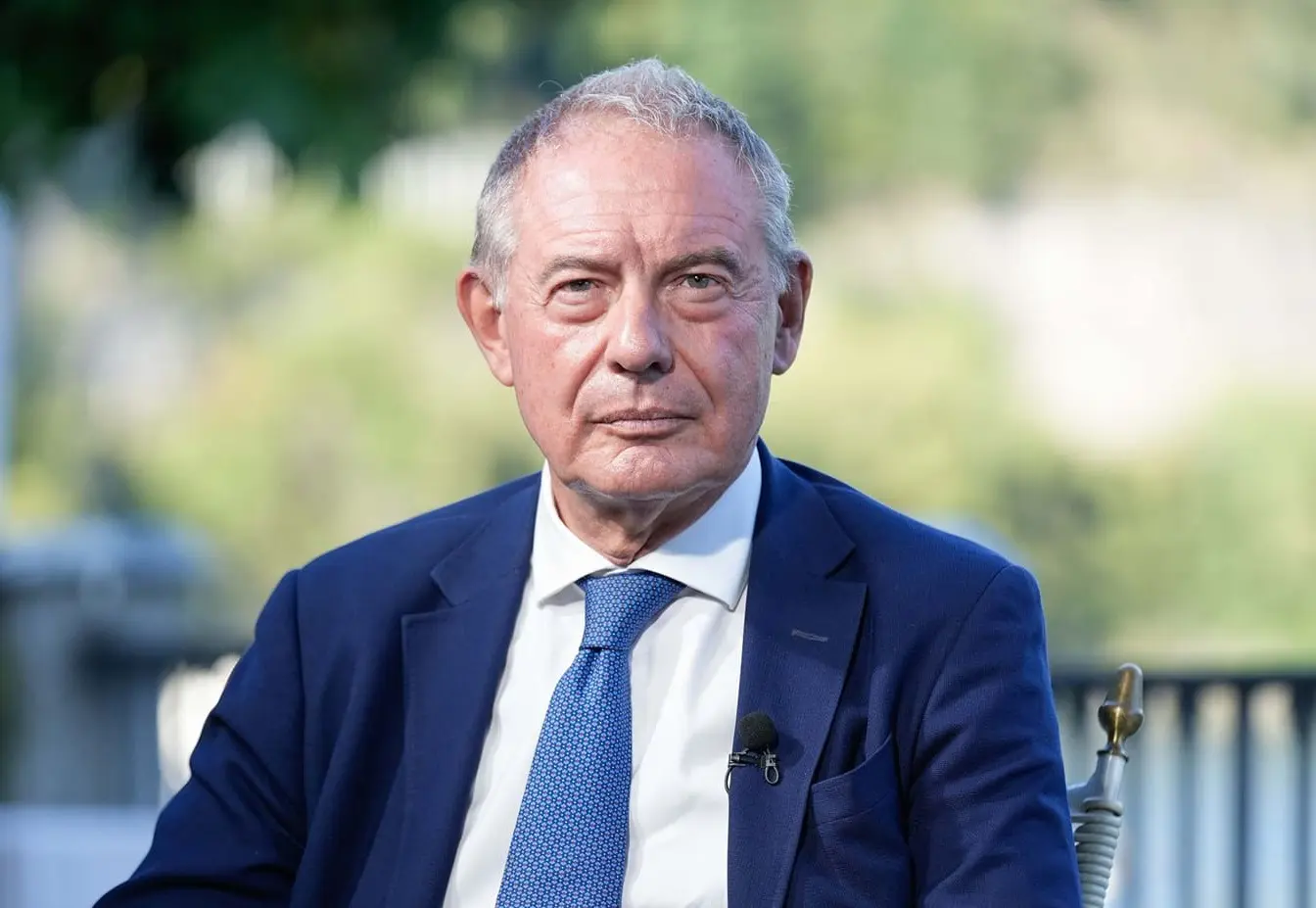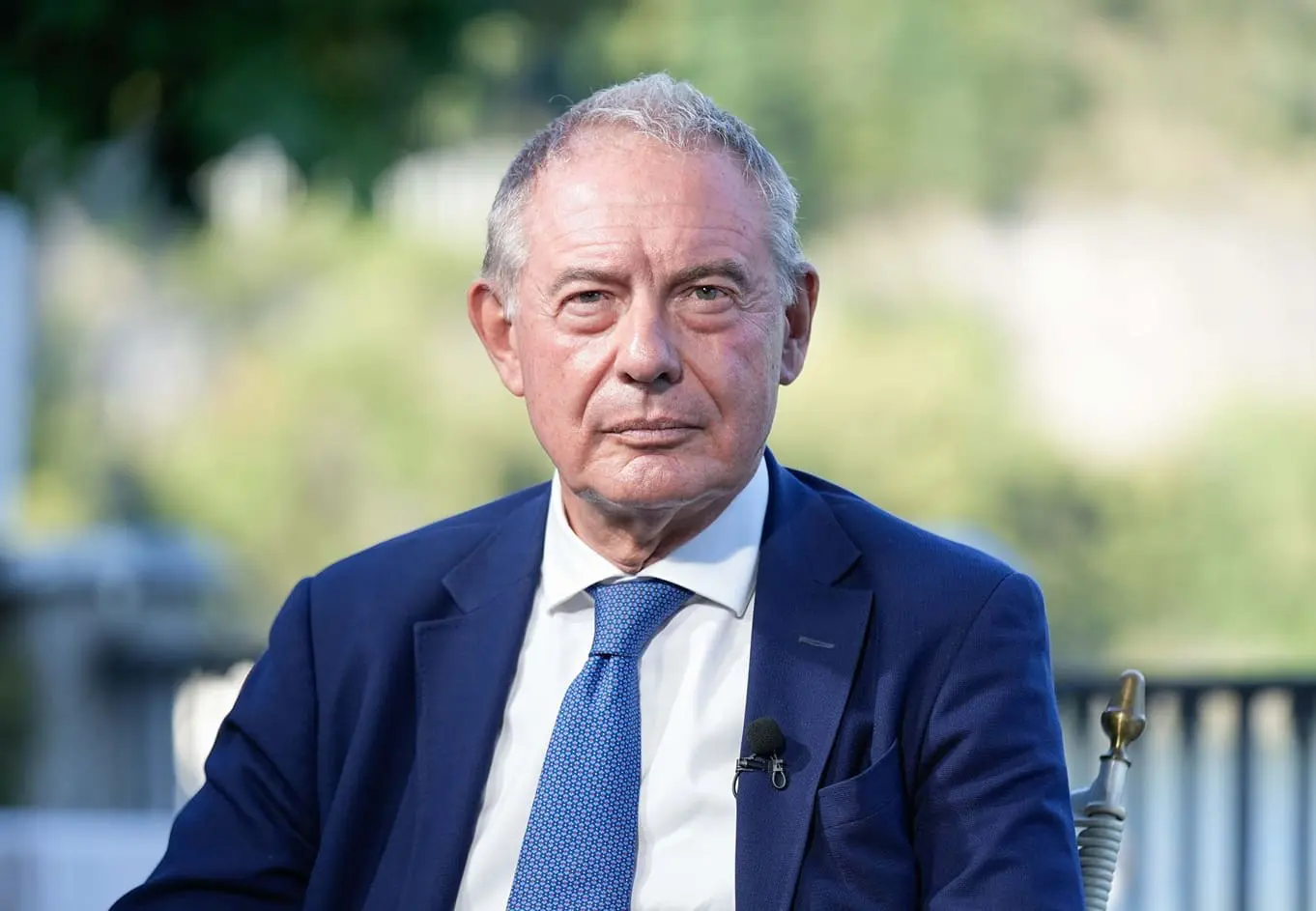
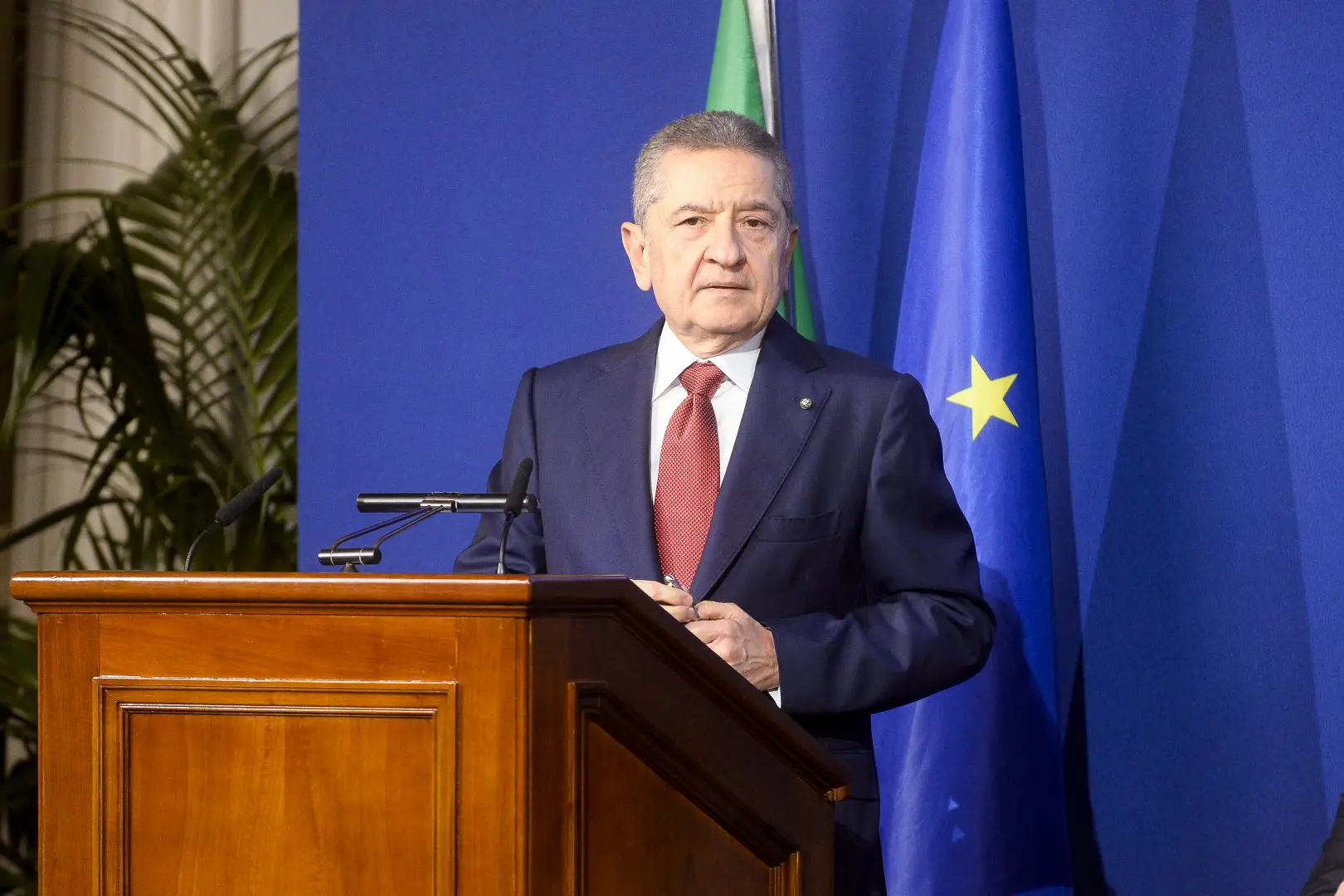
ROMA (ITALPRESS) – “The rise in energy assets has increased the liquidity requirements of enterprises, many of which have increased the demand for loans, especially on shorter deadlines. The banks have so far responded to this requirement; in May the loans to enterprises have accelerated to 6.2% on a quarterly annual basis, from 2.3% of February”. This is said by the governor of the Bank of Italy, Fabio Panetta, during the Assembly Abi 2026.
“In the coming months the evolution of credit will depend on the developments of the conflict in the Middle East, the conditions of financial markets and the perception of risk by intermediaries – added Panetta – The protracting of hostilities and the emergence of new pressure on energy markets could increase the caution of banks and translate into more selective bid criteria.”.
“The indicators for the first quarter confirm the robustness of the Italian banking system: profitability remains high, wealth is more than adequate, the quality of the assets very good. This assessment is shared by market operators and international institutions. In the Financial Sector Assessment Program recently concluded, the International Monetary Fund has expressed a positive opinion on our financial system, also recognizing the contribution of effective supervision. The most obvious improvement concerns the quality of credit. Ten years ago, deteriorated loans exceeded 8% of total funding, one of the highest values in the euro area; today the share is 1%. The budget evaluations of these loans remain cautious. The European standards contribute to this, which, due to the deteriorated exposures of 2019, require integral coverage within pre-established times, according to the so-called calendar approach. For Italian banks this mechanism is honorable, due to the still long times of civil justice,” he adds.
“Italy has solid foundations: a strengthened banking system, families with a high saving capacity, companies that have proven to be able to adapt even in the most difficult stages. The challenge is to transform these strengths into investments, innovation and lasting development,” said Panetta.
“The world economy crosses a transition phase, influenced by two opposing forces. The first is the shock generated by the conflict in the Middle East, which has caused energy relapses, increased uncertainty and reopened fears of stroking in supply chains. The second is the diffusion of artificial intelligence, which supports investments, the trade of goods and high-tech services, the equity trends and – with them – the wealth and consumption of families”, concluded Panetta.
-Photo IPA Agency-
(ITALPRESS).