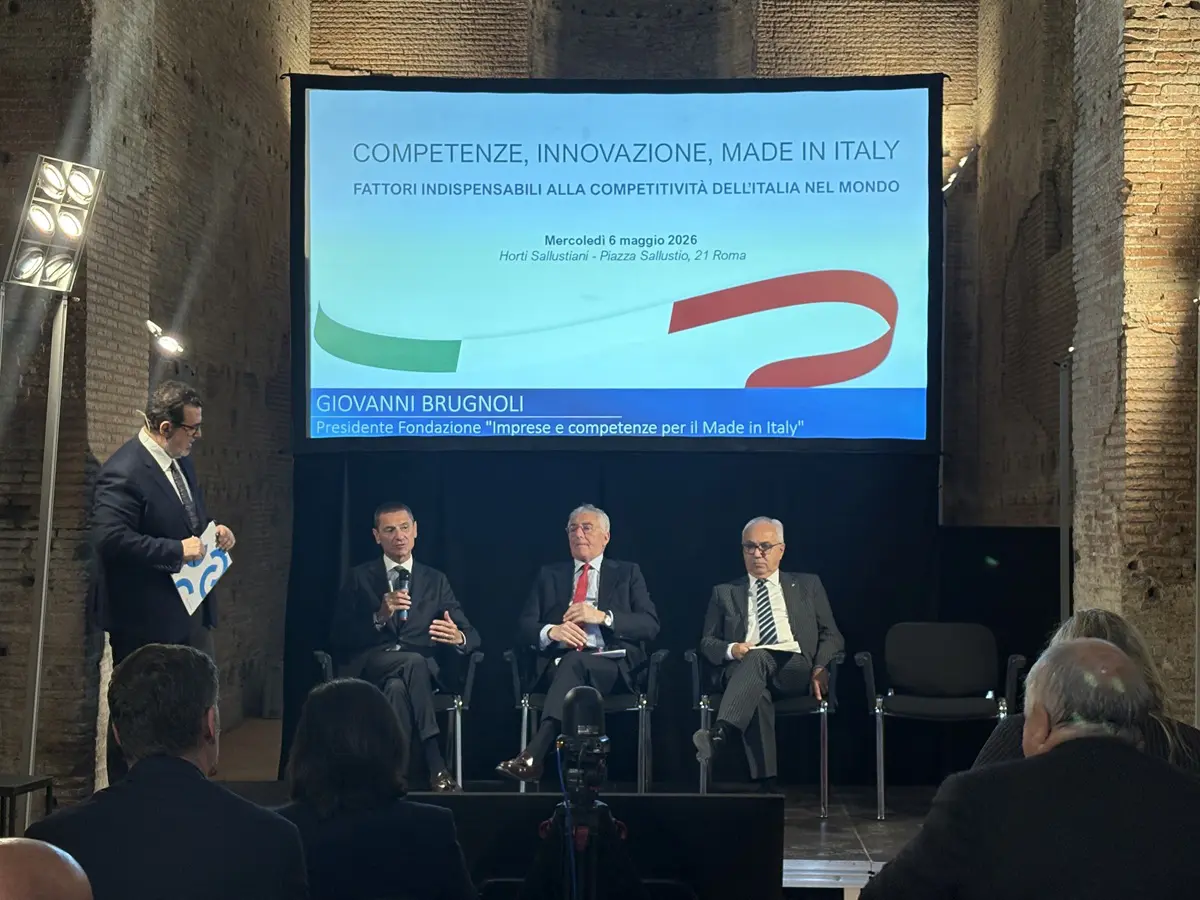
ROMA (ITALPRESS) – Made in Italy companies are a pillar of employment. Between 2026 and 2029, in fact, more than 900 thousand workers could arrive, about one third of the total. The main challenge concerns the quality of skills: for many professional profiles the difficulty of finding reaches 55% of recruitment. The data, coming from the Excelsior Information System of Unioncamere and Ministry of Labour, relate to the employment requirements of the production excellences for which our Country is famous in the world: mechatronics, agro-food, wood and furniture, fashion, which is added the chain of commerce and tourism, strategic asset for Italian attraction. The analysis was presented to “Competenze, Innovazione, Made in Italy”, the event organized by Unioncamere as part of the National Day of Made in Italy.
“The key sectors of Made in Italy are not a cultural heritage but an evolving system,” said Unioncamere President Andrea Prete. “To support this transformation and make it grow, the first resource, the most important, are people and professional skills. To focus on technical education, investing in its academy, and continuing training is an essential step in responding to the demand of enterprises increasingly oriented to advanced technology and sustainability. For this reason today we renew, for the second three years, the agreements with the ITS Academy Network and with the National Network of Agricultural Institutes (Re.N.Is.A.). We thus confirm the common commitment to the development of the skills required by the production system. A strategic collaboration to support young people, reduce mismatch and accompany the growth of the most representative sectors of Italian excellence”, he added. But what skills do the Made in Italy supply chains look for? Companies express a strong demand for digital mechanical skills to support the adoption of Industry 4.0 systems.
As the annual data show 2025, the difficulty of finding for these sectors concerned 55.2% of the researched profiles. Experts in traceability, sustainability and digitisation are strongly required. The food industry reports difficulties in finding 38.6% of the cases. Businesses mainly seek green and digital skills related to the use of new materials. But the difficulty of finding the sector is 55.8%. In addition, the Fashion and Textile sector demonstrates a strong propensity to employ staff with artisanal skills and knowledge of sustainable and digital production and technologies. The difficulty of finding on average is 55%. With regard to trade and tourism, soft skils, language knowledge, digital skills concentrate most of the job demand. The overall difficulty of finding is 45% on average.
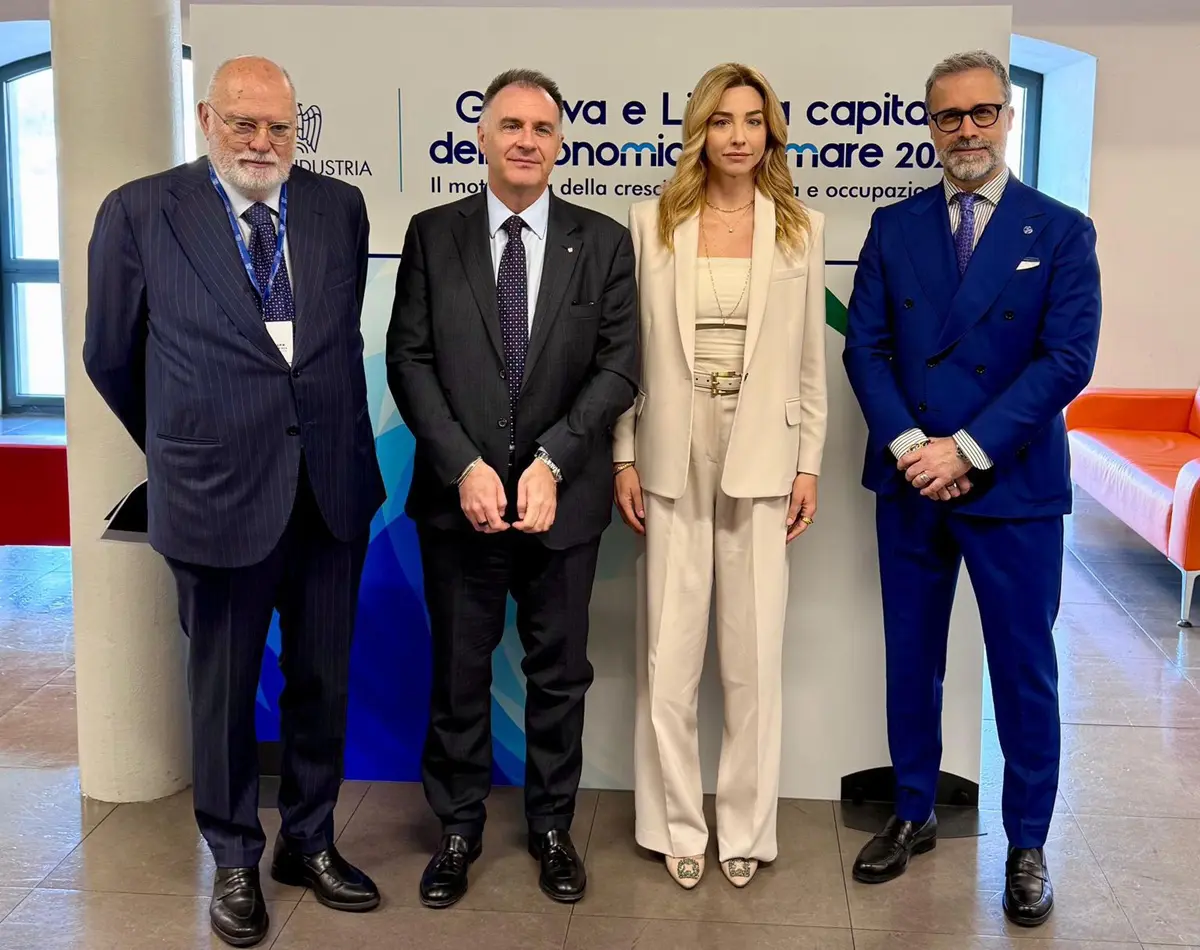
– photo xb1/Italpress –
(ITALPRESS).