MILAN (ITALPRESS) – The Italian franchising confirms its solidity and enters a new phase of maturity, growth and consolidation. This is what emerges from the Assofranchising Italy report 2026 – Structures, Trends and Sceneries, realized by Patrigest together with TEHA Group and presented today at the Franchising Summit 2026. In 2025 the sector reached a turnover of 39 billion euros, up by 8% compared to 2024, continuing to record performance higher than the market average in all the main goods sectors. A significant result in a context marked by what can be called “the age of permanent uncertainty”.
Conflicts, inflation and high energy continue to affect the economic prospects of the country (the cumulated growth foreseen for the two-year period 2026-2027 is 1.1%, the lowest figure of the European Union) and household consumption behaviour. Italians are increasingly prudence oriented, purchases become targeted but Italians are not ready to give up their habits, the word of 2026 becomes so selectivity. 61% of Italians – in the face of the need to recover part of the purchasing power – carefully select products and services on which to concentrate unnecessary expenses preferring rewarding solutions, perceived as distinctive and valuable. “Consumer models are changing quickly. Geopolitical Shock, macro-economic context, technological evolution, social and demographic transformations are the determining factors of an evolution of purchase processes already begun in the immediate post-Covid and which has not yet found its new balance.
The ongoing transformation involves the entire customer journey: the lower availability of spending is combined with new tools and infrastructures enabled by technological innovation and AI and with increasingly wellbeing oriented value sets. TEHA Group observers highlight how Italians, although having to deal with reduced family budgets and expected in further contraction, did not stop having objects (or experiences) of desire but changed the mechanisms with which they define what is considered “desirable”, says Valentina Quaglietti, TEHA Group’s Food &Retail Consultant.
In this scenario, franchising confirms itself as an entrepreneurial model capable of growing even in the most complex phases of the economic cycle, thanks to the strength of brands, the ability to innovation and a proposal that meets the new needs of consumers.
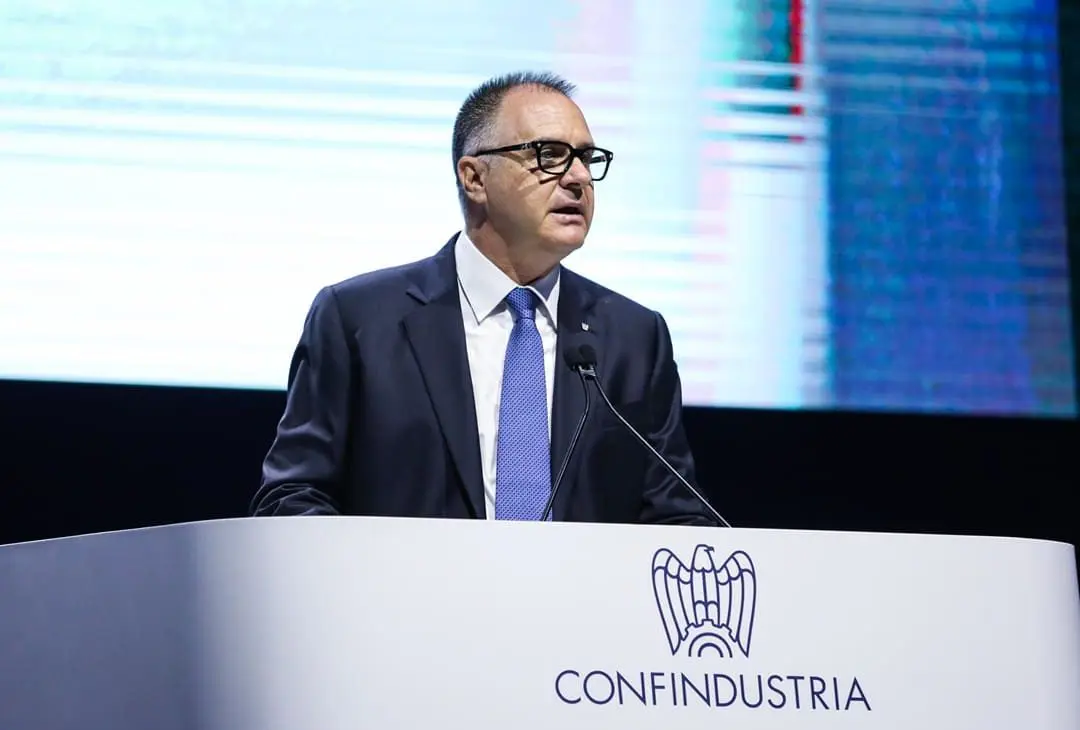
“The Italian franchising has confirmed its ability to grow even in a complex economic context, entering today in a phase of maturity and consolidation even with a potential for development still very wide and reachable on condition of strengthening system work and the spread of knowledge of this model as leverage of growth, employment and entrepreneurship – says Massimiliano Maffioli, President of Assofranchising –. Of course, franchising is not isolated from the general economic context. Families continue to deal with the increase in compulsory expenditure, which absorbs an increasing share of disposable income and reduce their spending capacity. However, at this stage the value of franchise networks emerges, able to offer consumers reliability, quality and convenience and entrepreneurs a structured path of growth. If the country succeeds in finding a pace of development closer to that of the most dynamic European economies, franchising will be one of the main engines of economic and employment growth in the coming years.”.
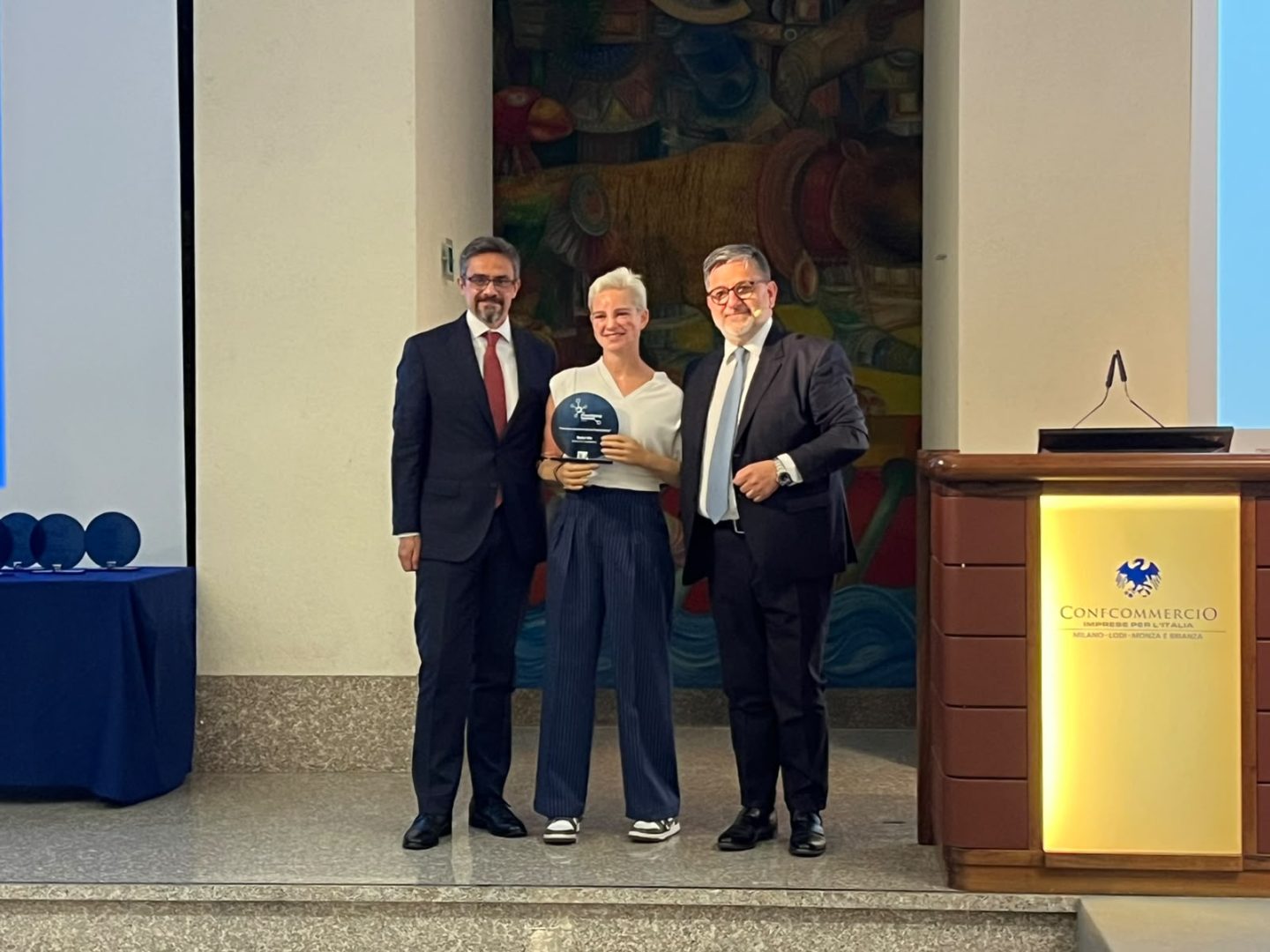
During the event an agreement was signed between Assofranchising and Banco BPM with the aim of facilitating access to credit for franchisees. Thanks to this collaboration, Banco BPM will make available to Assofranchising associates a dedicated service through its department specialized in franchising, which will assess the solidity and sustainability of the business model of affiliated brands, thus promoting access to the necessary funding for the start and development of new franchises.
The main indicators confirm the excellent health status of the Italian franchising, which enters a phase of consolidation and maturity, contributing 1.7% to national GDP. In 2025 the number of sales outlets remained stable (-1%, from 62.902 to 62.449), while employment grew significantly, with more than 327,200 employees (+12%) and an average of more than 5 employees per point of sale. The turnover of the sector reaches 39 billion euros, mainly driven by GDO, clothing and catering, which together generate 75% of the total turnover. The market structure highlights an articulated and dynamic business fabric, with 64% of nets that counts less than 50 stores, alongside a core of medium-large chains (7%) that guide industry growth and which count between 200 and 500 stores. Among the most dynamic sectors emerge GDO, care of the person, health, pet care and car repairs, supported by the evolution of consumption and the increasing attention of Italians to well-being. At the same time the international vocation of the networks is growing: 41% of Italian brands are already present abroad and a further 20% plans to start an international expansion in the next three years.
– Assofranchising press office photos –
(ITALPRESS).