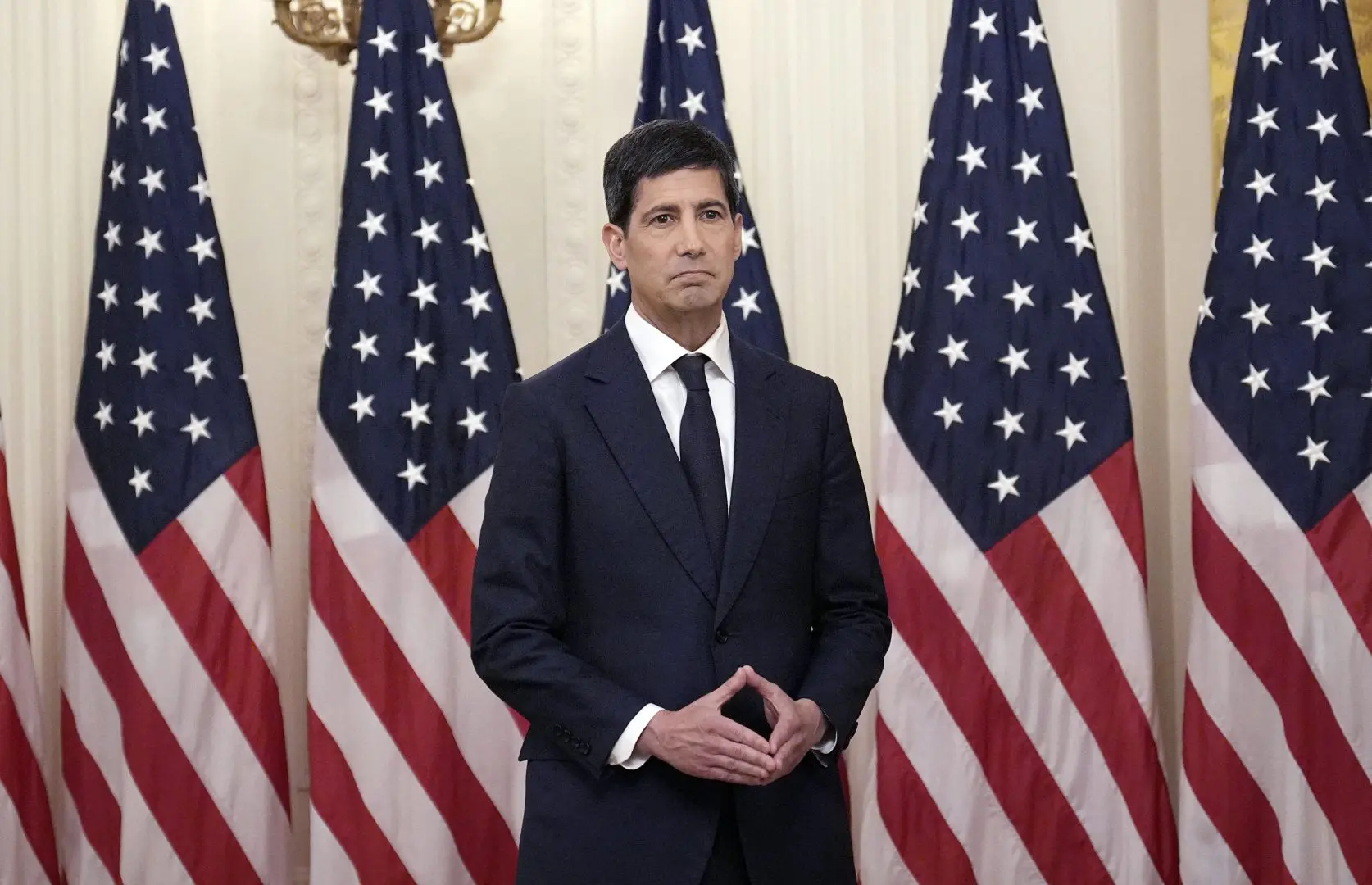
ROMA (ITALPRESS) – In Washington Donald Trump asked to remove the foot from the brake. Kevin Warsh, instead, decided to press it a little more. The Federal Reserve has raised the cost of money by a quarter, bringing rates in the range between 3.75% and 4%. A decision reached with the unanimous vote of the twelve members of the executive. The choice rather than a simple change of list, tells the first real iron arm between the White House and the new tenant of the central bank.
Warsh, who was led by the Fed in May after being chosen by Trump, could have searched for a more accommodating road. Moreover, when he was still a candidate for the chairmanship of the central bank, he had made it clear that there was room to reduce rates. Trump, not really famous for diplomacy with the Fed, had made it clear to expect just that: less expensive money, more abundant credit, more cheerful economy.
It went differently. Warsh reminded everyone that one thing is to be appointed by a president, another is to make the president of the Federal Reserve. And the difference, in America, also passes from the most indigested word for any government: inflation.
“We will not tolerate persistently high inflation,” Warsh assured Congress. A dry phrase, almost notary, but with a easily identifiable recipient. Because prices are doing something that Fed likes very little: they stay too far from the 2% target. In August consumption inflation rose to 3.4% on an annual basis, while monthly price growth reached 0.4%, four times the July rate. And the forecasts do not bring relief: inflation is still seen rising, about 3.7%. In short, the famous 2% that should represent the quiet port of American monetary policy still seems far away.
The problem is that this time inflation does not come from one door. The war with Iran has increased by more than 7% in a month the average price of gasoline, with the risk that energy shock is likely to rise to the rest of the economy. But there are also duties, which can transfer to consumers the most cost of many goods, from household appliances up. And even artificial intelligence, the great American productivity machine, presents the account: the investment race in data centers is increasing demand and prices of chips and electronic equipment.
To complicate the picture there is an economy that, instead of getting diligently on a diet, continues to eat. Retail sales increased by 1.2% in August compared to the previous month. Consumers continue to spend, despite American confidence in the economy is not exactly the stars.
It is precisely this combination to worry the Fed: prices too lively and still robust consumption. If the economy continues to run, it becomes more difficult to convince inflation to slow down. And so the cost of money returns to do the ungrateful work of the buzzer: more expensive mortgages, more expensive automotive funding, less convenient credit for families and businesses. The surprise, if anything, is that the hold may not be over here. The forecasts indicate the possibility of another rise by the end of the year and perhaps other interventions in 2027. The market, according to the expectations of analysts, does not seem to prepare for a rapid season of cuts. In fact, the higher rate perspective longer returns to take body. The White House won’t make the decision right? Probably not. Kevin Hassett, Trump’s main economic advisor, admitted it: the president, explained, would not have been “very happy”. But he would defend Warsh’s independence.
For Wall Street, at least for now, no drama. The rise was widely expected and the markets reacted without particular shock. The real problem is what comes next. Because a quarter point, taken alone, is little thing. But if it becomes the beginning of a new season of revivals, then music changes. Especially for Nasdaq and for the titles related to artificial intelligence, which have built much of their evaluations on the idea of a money intended sooner or later to become less expensive. When rates rise, the future is a little less. And artificial intelligence, however artificial, has not yet found a way to escape this very human law of finance. The American paradox is all here. GDP is seen in acceleration from 2.2% to 2.3%, consumers continue to spend and technological investments remain robust. But precisely because the economy does not seem weak enough to turn off inflation, the Fed feels the need to cool it. Trump wanted a more generous central bank. Warsh handed him a tougher central bank.
Now it remains to be understood who will be right among the president who wants a faster economy and the central banker who fears that, running too much, America will end up paying the bill to the cash of inflation. For the moment Warsh chose not to do the favor to Trump. And in Washington, where almost everything is negotiable, a fourth point can become a declaration of independence.
– photo IPA Agency –
(ITALPRESS).