ROMA (ITALPRESS) – In the basic scenario of macroeconomic projections for the euro area formulated in June 2026 by Eurosystem experts, overall inflation would be 3.0% on average in 2026, 2.3 in 2027 and 2.0 in 2028. Inflation net of the energy and food component would lead on average to 2.5% in 2026 and 2027 and 2.2 in 2028. Compared to the macroeconomic projections for the euro area formulated in March 2026 by the ECB’s experts, inflation forecasts in the basic scenario for 2026 and 2027 were revised up due to the highest trajectory of energy prices, which should be transmitted to a certain extent to food, goods and services inflation. In the basic scenario economic growth would average 0.8% in 2026, 1.2 in 2027 and 1.5 in 2028.
This is a downward revision for 2026 and 2027, reflecting the most pronounced impact of the conflict on raw materials markets, real incomes and climate of trust. According to the economic bulletin of the ECB, therefore, the prospects are uncertain, with risks to rise for inflation and the downward for economic growth.
The overall implications of the war on medium-term inflation and growth will depend on the intensity and duration of shock on energy prices, as well as the extent of its indirect and second impact effects.
This uncertainty is also reflected in the breadth of values related to inflation and growth in updated illustrative scenarios formulated by Eurosystem experts and published in June 2026 projections on the ECB website. With the decision of 11 June, the Governing Council maintains a favourable position which allows it to face the uncertainty caused by war.
In order to define the appropriate monetary policy orientation, the Governing Council will closely follow the situation and adopt a data-driven approach, based on which decisions are taken from time to time at each meeting. In particular, the decisions of the Governing Council on interest rates will be based on the assessment of the prospects for inflation and the risks associated with them, considered the new economic and financial data, as well as the dynamics of underlying inflation and the intensity of the transmission of monetary policy, without binding on a particular path of rates.
NECESSARIO RAFFORZARE L’ECONOMIA DELL’AREA DELL’EURO
The euro area economy grew in the first quarter of 2026, supported by domestic demand and exports. However, the conflict in the Middle East affects economic activity and economic investigations report a slowdown, especially in the service sector. This is what emerges from the BCE economic bulletin. The manufacturing sector has so far shown a good hold, partly due to the establishment of stocks by companies to cope with pressure on supply chains, but also to the increase in defence spending. The labour market continues to highlight holding capacity. Unemployment, at 6.3% in April 2026, remains close to the historical minimum. New jobs were created in the first quarter, although at a lower rate than in the last quarter of 2025. The demand for labour has been further reduced and enterprises and families expect a weakening of the labour market. In perspective, experts predict a decline in domestic demand more marked than the projections of March 2026, as the conflict weighs on the climate of trust and the rise of energy goods erode real incomes.
At the same time, household budgets are overall solid and consumption should remain the main determining factor in growth. In the short term the increase in energy costs and the deterioration of the climate of trust will affect private investments, which should be supported by the investments of enterprises in new digital technologies. The greater public expenditure on defence and infrastructure should continue to support public investment. It is expected that these factors will somehow affect the effects of the conflict. The Governing Council highlighted the urgent need to strengthen the euro area economy while maintaining the solidity of public finances. Sustainability of public accounts is a fundamental anchor for economic stability as a whole. Budgetary manoeuvres in response to the shock on energy prices should be temporary, targeted and modulated, as pointed out by the European Commission in the spring package of the European semester 2026. More than ever, reforms aim to improve the growth potential of the euro area and accelerate energy transition to reduce fossil fuel dependence.
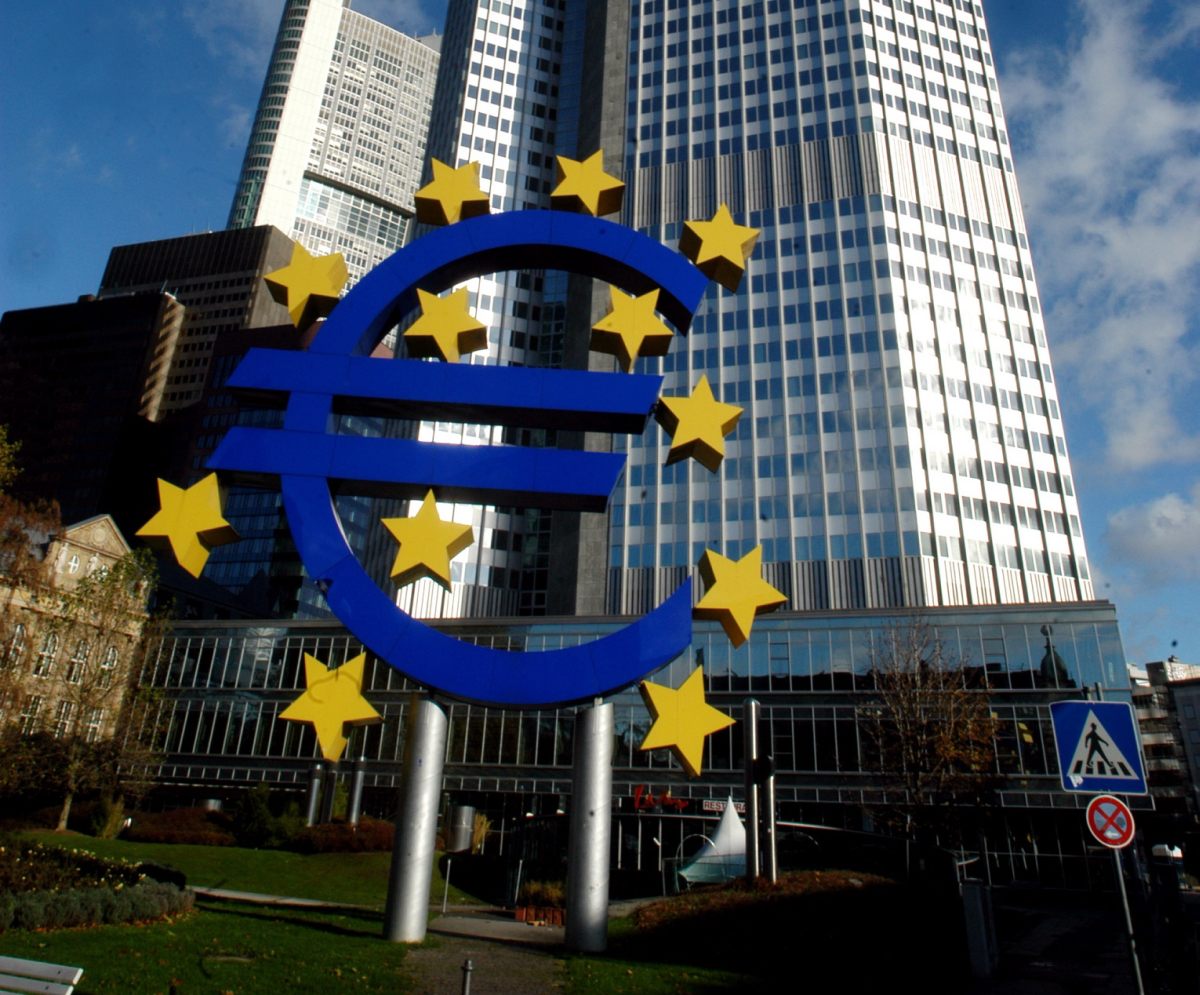
-Photo IPA Agency-
(ITALPRESS).