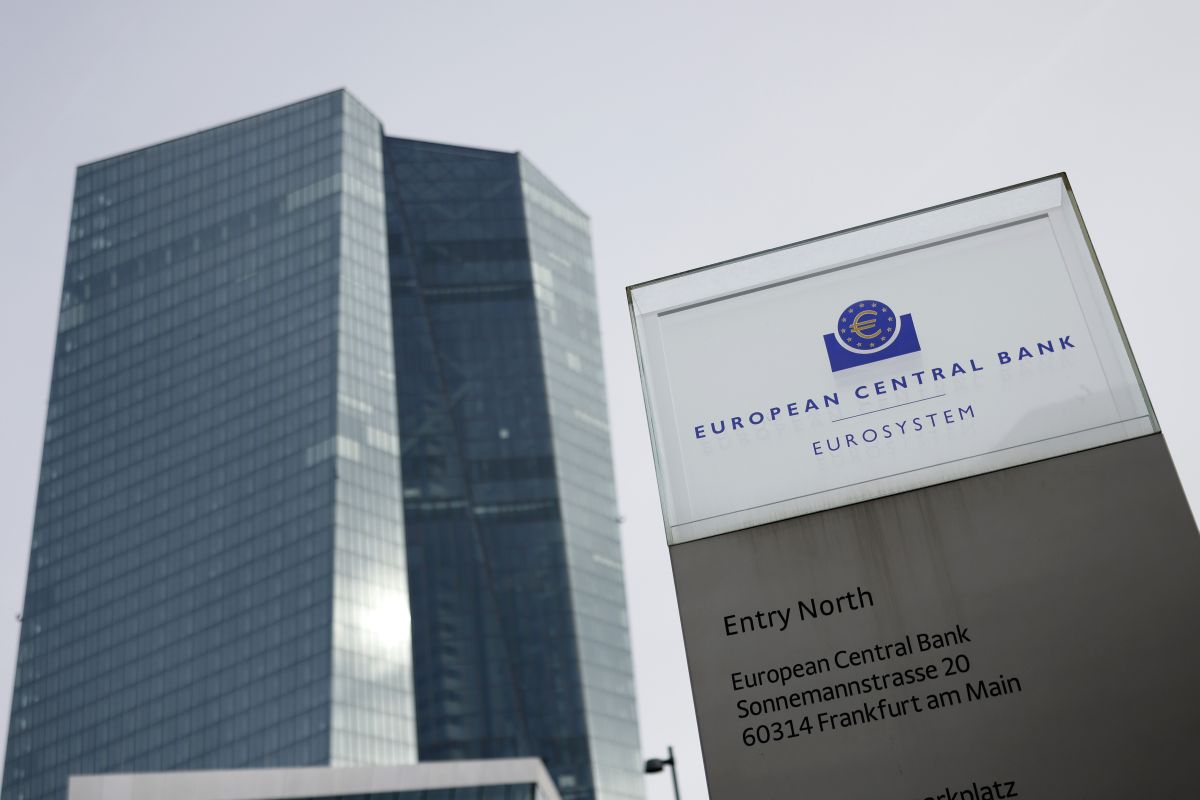
FRANCOFORTE (GERMANY) (ITALPRESS) – Economic prospects “are very uncertain and will depend on the duration of the war in the Middle East and the intensity of its effects on energy markets and other raw materials, as well as on world supply chains.” Thus the European Central Bank in the Economic Bulletin.
“In perspective, high energy costs are expected to continue to affect real incomes, accentuating the reluctance of households and enterprises to consume and invest – BCE emphasizes. Although unemployment remained close to the historical minimums in March, labour demand was further reduced. At the same time, the holding of household budgets and the reduction of energy dependence could partially reduce the impact of these factors. Enterprise investment should, overall, continue to support growth, in view of increased public expenditure on defence and infrastructure and the increasing share of investment in new digital technologies. These favourable conditions of departure, to some extent, diminish the repercussions of war.”.
In detail, the European Central Bank explains, “the prospects for growth are subject to downside risks. War in the Middle East remains a risk for the economy of the euro area, depreciating the world’s political context already changing. The prolonged interruption of energy supply could further increase energy quotations for a longer period than is currently expected. These factors would erode incomes and would emphasize the reluctance of enterprises and families towards investments and consumption. Growth would be expected further if the closure of the main maritime routes should result in severe shortages of essential inputs, such as to force the euro area businesses to reduce production. A deterioration of the climate of trust in the world’s financial markets could slow down demand more.”.
According to the ECB “more frictions in international trade could exacerbate the interruptions of supply chains, reduce exports and weaken consumption and investments. Other geopolitical tensions, in particular the unjustified war of Russia against Ukraine, remain among the main sources of uncertainty. On the other hand, growth could be higher if the economy was more adaptable to the disturbances caused by war in the Middle East or if the conflict should be resolved faster than is currently expected.”.
“Moreover, planned expenditure on defence and infrastructure, reforms aimed at improving productivity and the adoption of new technologies by euro area companies could support growth more than expected – reads again in the Economic Bulletin of the European Central Bank -. New trade agreements and greater integration of the single market could also stimulate growth beyond current expectations.”.
On the price front, “the risks to inflation prospects are oriented to rise. If energy gains were higher than current expectations, inflation in the euro area would increase further. This trend could be more marked and persistent if the increase in energy prices should be transmitted to a greater extent than expected at other prices and wages, if the longer-term inflation expectations increased in reflexion, or if there were more generalized disturbances in world supply chains. The current trade tensions could also lead to greater fragmentation of world supply chains, reduce the supply of critical raw materials and tighten the constraints of productive capacity in the euro area economy – BCE emphasizes. On the other hand, inflation could be lower if the economic repercussions of the Middle East war had to last less than is currently expected, or if the indirect and second impact effects were less pronounced. More volatile financial markets and risk warnings could weigh on demand and thus reduce inflation.”.
– Photo IPA Agency –
(ITALPRESS).