ROMA (ITALPRESS) – Poor effects from US duties, a lot of concern for continuing the difficulties of free circulation in the Strait of Hormuz, planned growth of investment in artificial intelligence, low recourse and increase of difficulties in access to credit. It is the photograph taken by Confapi, which today presented the results of the new Conjunctural Report on the first half of 2026 and expectations for the second half of small and medium industrial enterprises, based on a sample of 2,000 associate companies.
Italian companies fear different impacts for the crisis in the Middle East and for the situation of the Strait of Hormuz: for 69.5% negative effects are expected for the activities, with a consequent decrease in profitability, while for 50% of the Pmi the negative effects of the block of Hormuz are already in progress.
The logistic blocks and the consequent energy relapses are perceived as “an immediate and systematic threat to production, with a fall on turnover, orders and profits”. The analysis of the impact of U.S. duties on business activity, on the other hand, shows for 87.5% of the sample limited effects on industrial SMEs while reporting areas of attention related to the increase in costs along supply chains.
In the first half of 2026, less than half of the enterprises (48.3%) invested, with 51.7 which did not plan multiannual growth plans. Investments in AI technologies, which are considered by enterprises “an indispensable lever to increase productivity (60.7%), optimize costs (90.1%) and enhance data processing and management skills (82%)”.
However, the concern for access to credit increases: in the reference period, 66.5% of Italian industrial SMEs did not apply to the banking system for new financial resources, an increase of 7.8% compared to 2025. This figure, for Confapi, “witnesses the perception of a strong difficulty in the demand for credit, pushing the majority of companies not even attempt to interlocute with banks for fear of waste (35%), too expensive conditions (30.8%) or demand for excessive guarantees (27%), with consequent choices of self-financing by the Pmi”. It is evident “a deep distance between the needs of the productive system and the offer of the banking system, which therefore results in a phenomenon of preventive renunciation, with 56% of the PMS that resorts to self-financing resulting in weakening of the assets”.
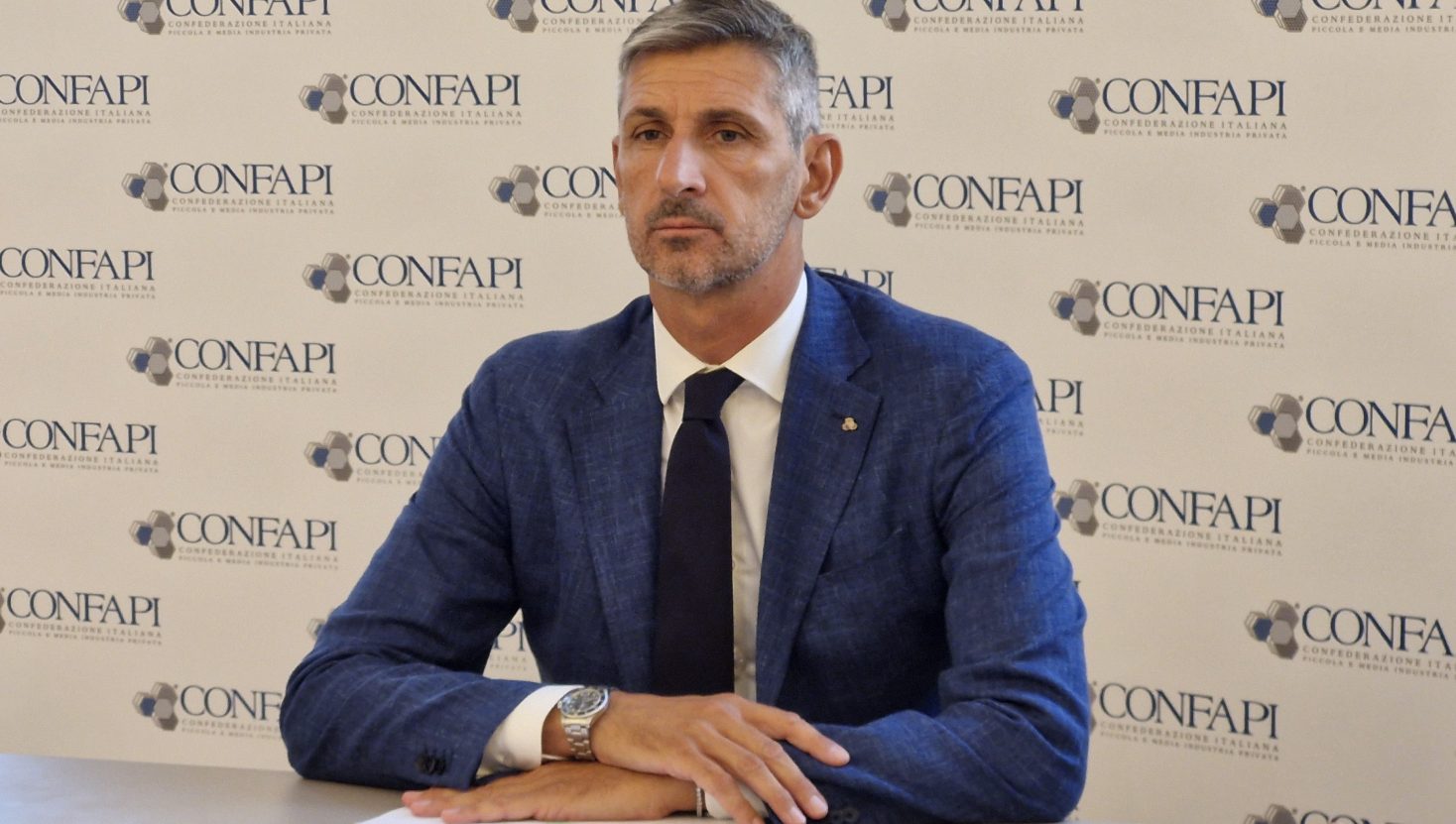
“From our investigation – says President Cristian Camisa – there is a growing concern for a situation that continues to flourish and which is becoming a worsening in the second half of the year, feeding a climate of strong and persistent uncertainty. For our enterprises there is no more penalizing factor of uncertainty: when the picture changes continuously, companies inevitably tend to postpone investments and to review or postpone their strategies on foreign markets,” he said. “To the problems due to international crises are added today those increasingly obvious in access to credit, which are likely to further curb the investment and growth capacity of enterprises,” he continues.
“As always, the Italian Pmi are demonstrating an extraordinary resilience and a great sealing capacity. But in order to support them, there is now more than ever a structural intervention by the institutions and the government. We need a clear industrial policy, concrete instruments and conditions of greater stability, so that enterprises can be achieved,” Camisa concludes.
-Foto col4/Italpress-
(ITALPRESS).