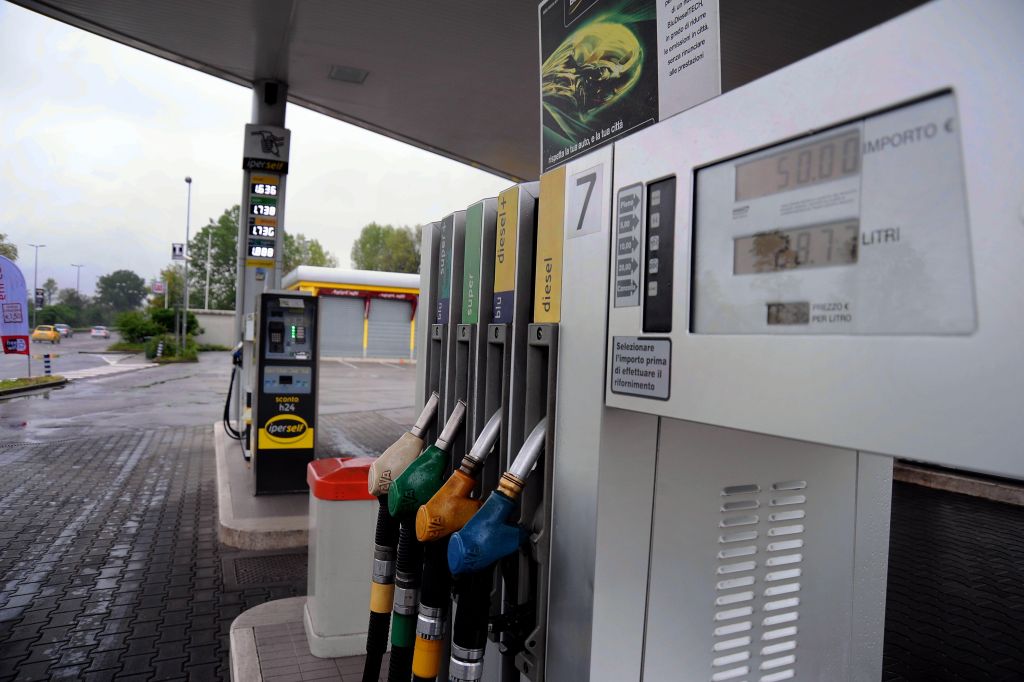
ROMA (ITALPRESS) – Almost 12 billion in six months. It is the energy account that the war in Iran presents to Italy according to the estimates of the NAC. Between March 1st and August 31st, the largest outburst for fuels, electricity and gas is estimated at around 11.6 billion compared to the levels prior to the crisis. An account that affects families and businesses and which for more than half is attributable to mobility. The CNA estimates, in fact, in approximately 5.8 billion the greater cost of gasoline and diesel in the semester.
July data confirm the strong demand for gasoline, which reached 900 thousand tons, the highest level of the last sixteen years and 3.1% more than the same month of 2025. The oil for self-traction instead records a bending of 8.4%. In July the average prices stood at 1,908 euros per liter for petrol and 2.027 euros for oil.
The reduction in oil consumption has therefore diminished the account, but has not been able to compensate for the increase in prices. The fuel component alone represents about half of the largest energy cost estimated by the CNA. It also weighs the electricity bill. The biggest outburst in the semester is estimated at 3.7-3.8 billion. The figures show that price shock has not been accompanied by a contraction of demand.
In July the Italian electricity requirement reached the maximum historical for the month, 32.5 TWh, up 8.3% compared to July 2025. And the tensions have not yet returned. The latest quotes available on the electric market continue to show very high values even in the second part of August. To complete the account is the gas consumed directly by families and enterprises, for which the CNA estimates a greater cost in the order of 2-2.2 billion.
The result is a greater overall outburst estimated at around 11.8 billion between March 1 and August 31. In order to reduce the impact of the shock, more than 2.3 billion public interventions were mobilised, including excise reductions, tax credits and other measures. For small businesses the impact is particularly heavy. They have less chances than larger companies to protect themselves from fluctuations in energy markets, less contractual capacity in purchases and greater difficulty in transferring cost increases on final prices.
Almost 12 billion in just six months represent an extraordinary energy tax on the Italian economy. It must be avoided that the consequences of a geopolitical crisis are translated into a new brake on competitiveness, investment and growth, just as the system of small enterprises needs stability and sustainable energy costs.
-Photo IPA Agency-
(ITALPRESS).