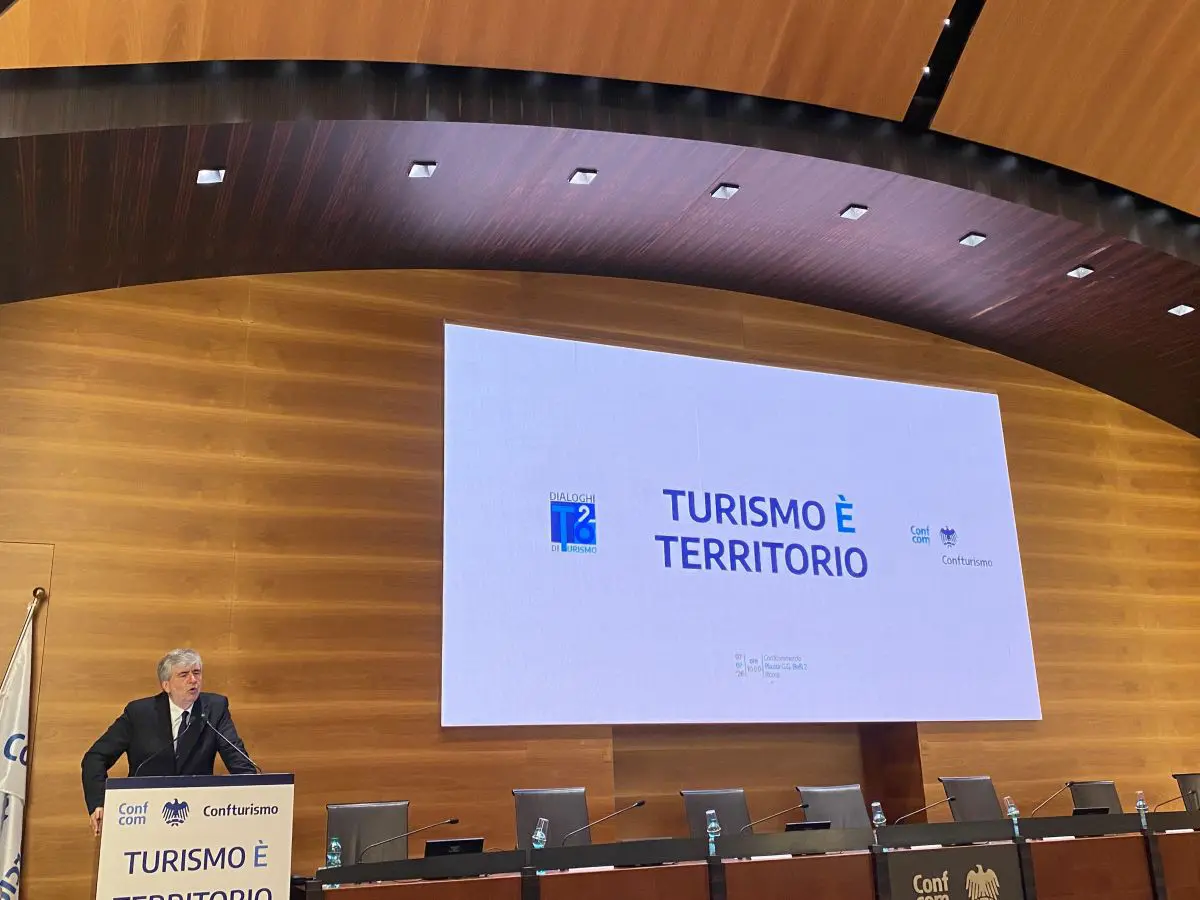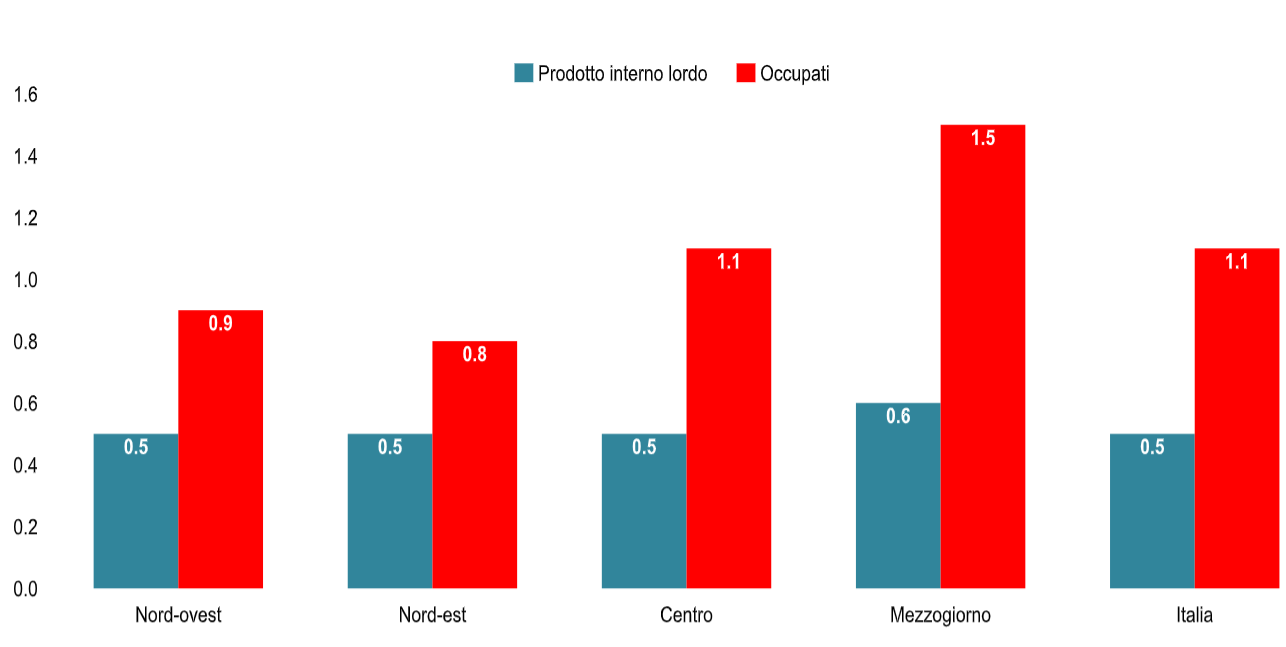
ROMA (ITALPRESS) – In Italy there are 2,137 municipalities of the internal areas with a tourist vocation, but only 16%, about 350, is currently able to express its potential effectively. These destinations produce over 128 million overnight stays a year and a tourist expenditure worth 25 billion euros. This is what emerges from the research on tourism in the minor centres of Confturismo – Confcommercio, in collaboration with Isfort presented today at the conference “Turismo is Territory”. Among the most significant examples are some Municipalities of Veneto (Caorle, Jesolo and Cavallino Treporti in the province of Venice; San Michele al Tagliamento and Lazise, in the province of Verona) that although not being urban poles lie at the top of the national ranking of tourist attendance. The other 1,787 municipalities, representing more than 80% of the total, record still limited attractiveness levels. Overall they generate approximately 33 million overnight stays and an annual tourist expenditure of 6 billion euros, highlighting wide margins of development and improvement. A sustainable growth in tourist flows in these territories could generate, over the next 5 years, an increase of approximately 1,6 billion euros of GDP and 14 thousand new occupied. The strengthening of tourism in the internal areas could also help to counter the depopulation and to distribute more balanced tourist flows on the national territory. A challenge that is intertwined with some structural issues: 84% of the municipalities concerned are classified as peripheral and 91% as an ultraperipheral, with obvious difficulties of access to essential services. For this reason, it is priority and strategic to invest in improving infrastructure and transport links. In this perspective, the resources of the Pnrr and the Complementary Fund seem to have produced positive impacts only in large urban areas (which absorb only 22% of national tourist attendance) without having yet substantially impacted on marginality (which concerns much of the remaining 78%). Similarly, the Strategic Plan for Tourism 2023-2027 which had indicated accessibility and tourist mobility as two strategic assets for the growth of the country’s attractiveness does not yet seem to have produced significant effects on this. In addition to infrastructure investments, experts identify in the digital transition and in collaboration between enterprises, institutions and local communities other key factors for growth. “The tourism is much more than an economic sector: it is one of the main interpreters of the Sense of Italy, that heritage of culture, lifestyle, welcome and identity that makes our country unique in the world” said the president of Confcommercio, Carlo Sangalli “It is a value that goes beyond Made in Italy, because you can not replicate or delocalize. Our companies in the tourist industry are the protagonists of this authentic experience, nourish the attraction of Italy and transform every journey into a lasting bond with our country. As the analysis presented today shows, there is still a wide tourist potential to be valued, especially the smaller centres that can and must develop, improve and become more attractive. This perspective fits perfectly with the goal of seasonality and with our project Cities that focuses on urban regeneration also through the relaunching of commercial activities.” The objective is to overcome the fragmentation of the tourist offer and increase the ability of the territories to attract visitors and investments. The analysis shows how successful models can be a reference for less attractive territories. Among the most significant cases are the tourist system of Trentino, with particular reference to Val di Fassa, and the interregional model of Lake Garda, founded on an integrated governanceand on a strong coordination between local authorities and regions. For Manfred Pinzger, President of Confturismo: “Research results show that minor centres can become one of the leading Italian tourism development engines. Investing in their valorisation means creating new opportunities for economic and employment growth, but also promoting a more balanced distribution of tourist flows, reducing pressure on the busiest destinations and promoting a more sustainable development model. For this potential to be translated into concrete results it is necessary to strengthen infrastructure, accessibility, innovation and collaboration between institutions, enterprises and territories. Only then can we build a tourism capable of generating widespread and lasting value for the entire country.” For Confturismo it is necessary to indicate clearly and unequivocally how the contrast to unfair competition and abuse must be an absolute priority both for Confturismo and for the ministry. This strategic and operational orientation is summarized in the demand for strict application of the principle “the same market, same rules”, always based on the political lines of Confturismo. In particular, the government is asked for the recalibration of investment notices (Small-Scale), simplification and facilitation in the legal field for seasonal contracts and occasional benefits, incentives for resilience to climate change, incentives for diversification and innovation of the tourist offer, simplification of investment authorisation for structural interventions to promote the destagionalization, prohibition of bank fees -photo xc3/Italpress-(ITALPRESS).