SAN DONATO MILANESE (MILANO) (ITALPRESS) – Eni and MSC Cruises announce the completion of the experimental campaign relating to the use of the diesel HVO (Hydrogenated Vegetable Oil) of Enilive for the power of the motors of the ships from cruise, confirming the technical feasibility of the use of the biofuel in pure form in the marine field. The initiative highlights the value of HVO as a strategic energy carrier to support the decarbonization of maritime transport and the reduction of greenhouse gas emissions (GHG) along the entire life cycle, allowing shipowners to significantly reduce emissions costs and to comply with the objectives set by the FuelEU Maritime Regulation.
The experimentation was conducted jointly by Eni and MSC Cruises: during the tests, one of the motors of the ship from cruise MSC Opera has been fed for about 2,000 hours with pure HVO, without any modification to the engine; at the same time the data relating to the performance and emissions have been detected. The test showed that HVO is an immediate solution for marine engines, without significant technological updates, ensuring performance in line with traditional marine fossil fuels. The test also recorded a reduction in emissions of both NOx (-16%) and particulate, as well as a significant decrease in GHG emissions of approximately -80% compared to the use of traditional fuel, reduction linked to the use in the HVO production process of 100% biogenic raw materials. The technical data on engine performance and associated emissions were collected and evaluated with the support of Wärtsilä, engine builder, and Bureau Veritas, who acted as an independent certified body for validation of experimental results.
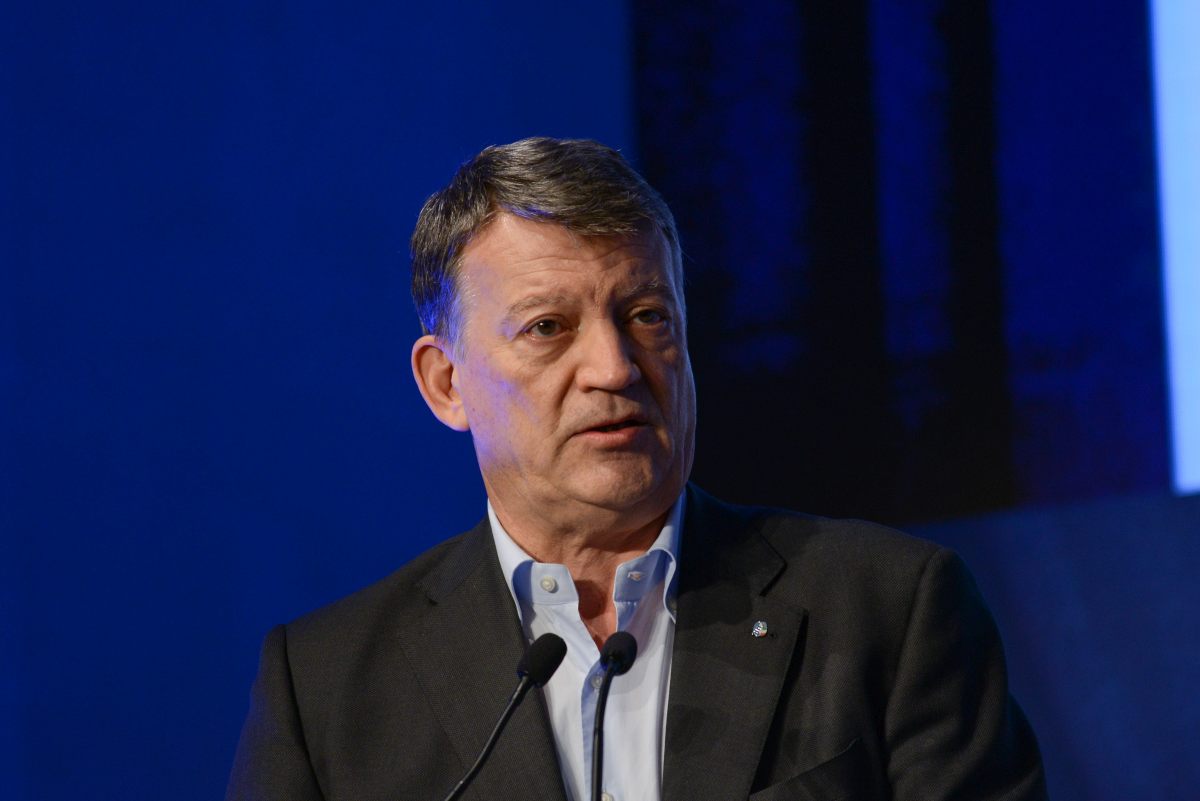
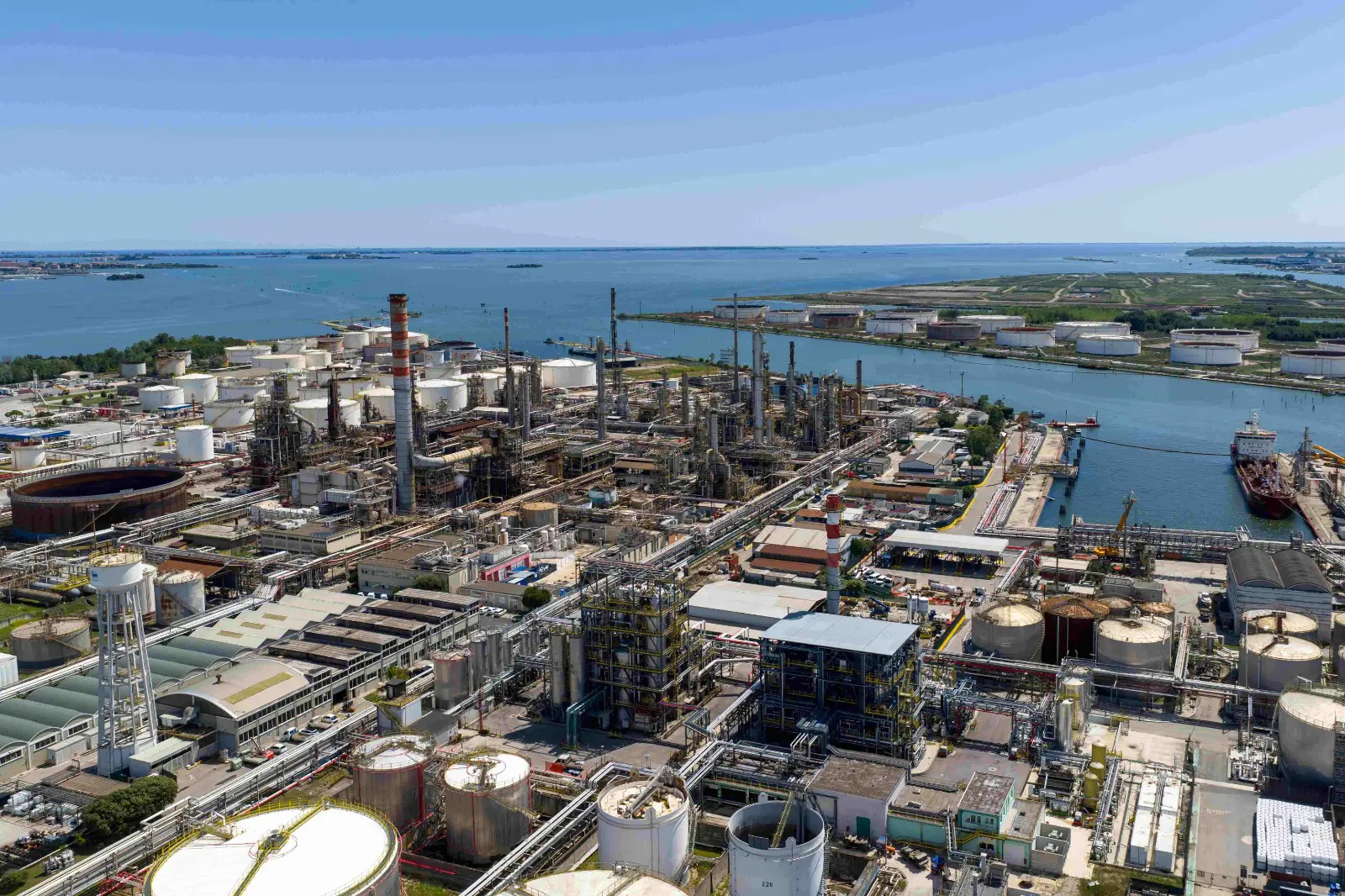
“The experimentation with MSC has demonstrated how the diesel biofuel HVO can immediately contribute to the decarbonization of the marine transport. The HVO can in fact be used in pure form in marine engines validated for its use, allowing a reduction of the climatic emissions calculated along the entire supply chain between 65% and 90% compared to traditional marine fossil fuels. HVO is produced in the Enilive biorefineries of Venice and Gela, mainly from raw materials of waste such as exhausted food oils, animal fats and residues of the agri-food industry. For a few months, the HVO diesel for the marina of Enilive is available in the ports of Genoa, Ravenna and Venice for direct deliveries from the warehouse to the ships via bettolina. The use of this fuel represents a concrete and effective solution for the decarbonization of the marine transport, contributing to the respect of the obligations previewed from the Regulation FuelEU Maritime and to the reduction of the costs linked to the emissions” commented Stefano Ballista, managing director of Enilive.
“We are very pleased to have successfully confirmed the technical feasibility of using HVO 100% on our cruise ship, as part of our continuous decarbonization efforts. We believe that the HVO can play an important role in the decarbonization of the shipping and that, together with other fuels immediately available as LNG and bio-LNG, it represents a concrete opportunity already feasible on board the ships from cruise to accelerate the transition to renewable fuels, approaching us of a further step to our final goal to reach net emissions of GHG pairs to zero within 2050” said Michele Francioni, Chief Energy Transition.
– Eni press office photos –
(ITALPRESS).