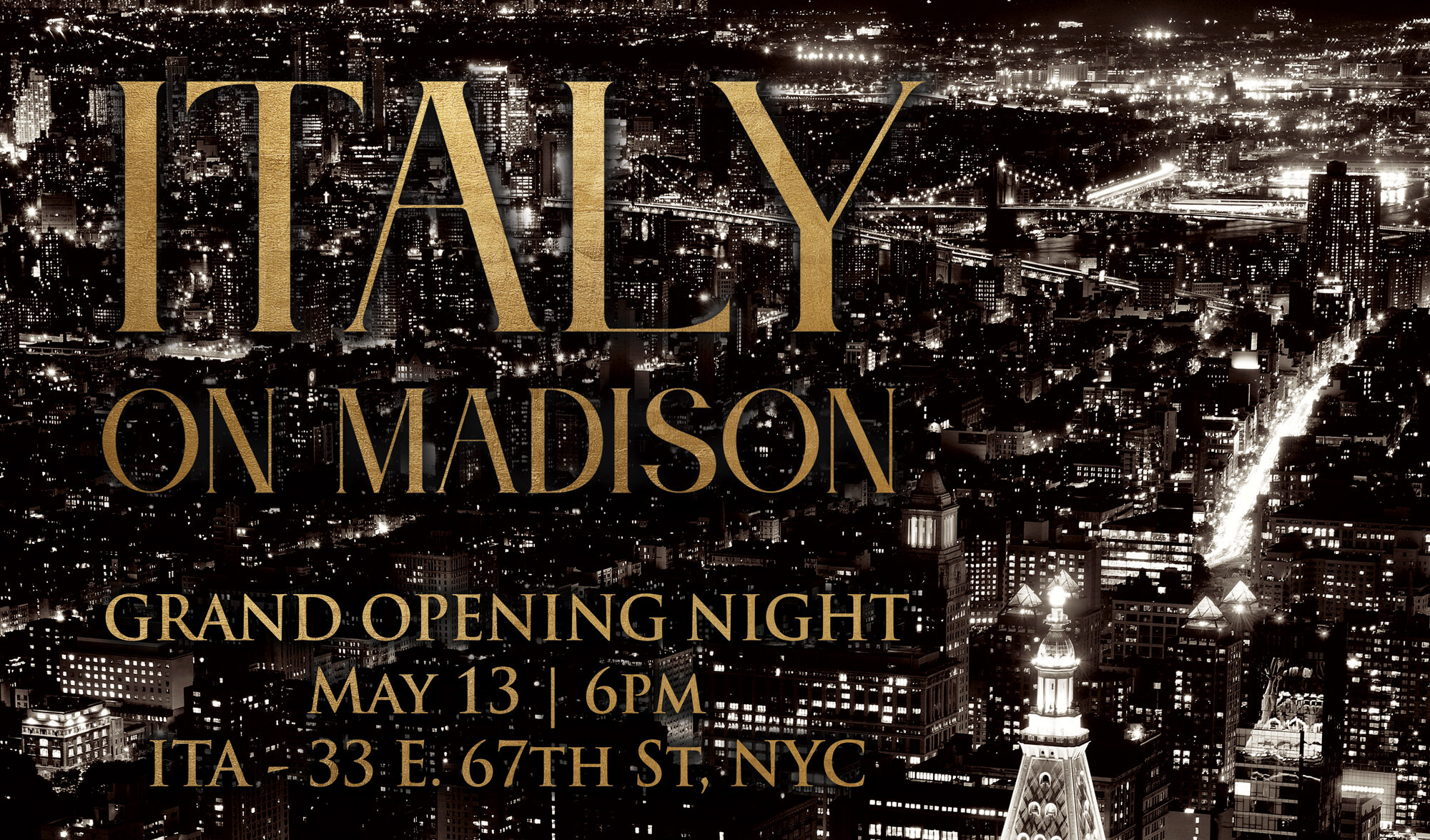
In Italy we grew up with the myth of American cinema. New York streets, skyscrapers, suburbs, ransom stories, family conflicts. Before we even knew America, we had seen it at the cinema. If I live in New York today, I also owe it to that imagination. The cinema is not limited to telling the places: it anticipates them, makes them desirable, transforms them into possibilities.
For decades it has been a vertical industry. Few studies, huge capitals, recognizable stars, global distribution. The imagination was in the hands of those who had the economic strength to produce it. Hollywood decided what the world would see.
Today that model is turning.
Production costs fell through digital technology. The tools are more accessible. Platforms have multiplied distribution possibilities.
In the last few years, films with budgets of less than $10 million have won the Oscar as best film, beating productions of hundreds of millions. Parasite in 2020 rewrote a rule that seemed untouchable, bringing for the first time a local and non-English history to the center of the Academy. CODA has confirmed that authenticity and rooting can prevail over industrial dimensions. Cultural attention is moving.
The public and the Academy are rewarding identity, emotion, narrative truth. Stories must no longer be neutral to function globally. They must be specific. They must have roots. This passage changes the role of countries in the global account.
If cinema shapes the perception of places, and if access to that language is no longer concentrated in a few hands, then a space is open for us too. Not to chase Hollywood. To get back to the story.
Italian cinema in the twentieth century has built a powerful, recognizable and universal imaginary. Today it can come back central if you choose to tell the contemporary identities: the dual membership, the Italian communities in the world, the new generations who seek a link with their origin, the trajectories of those who have left and of those who have returned.
The roots are not nostalgia, they are narrative matter. In America there is an entire generation of professionals of Italian origin who is affecting the global industry.
The American dream has not disappeared. He changed shape. It is no longer just economic conquest. It is possibility of expression, creative mobility, ability to contaminate. It is the place where stories find space when they have strength.
This number celebrates the Oscars, but it is not a red carpet number. It is a reflection on where cinema is going and where Italy can return. We pay tribute to the cinema that made us dream, leave, imagine elsewhere. We pay tribute to the role of Italy, which has taught the world that cinema can be gaze and conscience as well as entertainment.
The challenge today is not to return to winning a prize, but to return to be necessary.
If we can team up, joining those who create in Italy with those who have already left a mark in the American industry, if we stop working fragmentedly and start supporting us as a system, Italy will return to the Oscars as protagonist.
The world needs our stories. And this time, if we’re together, we can get together on that stage.
L’articolo The cinema that made us leave comes from IlNewyorkese.