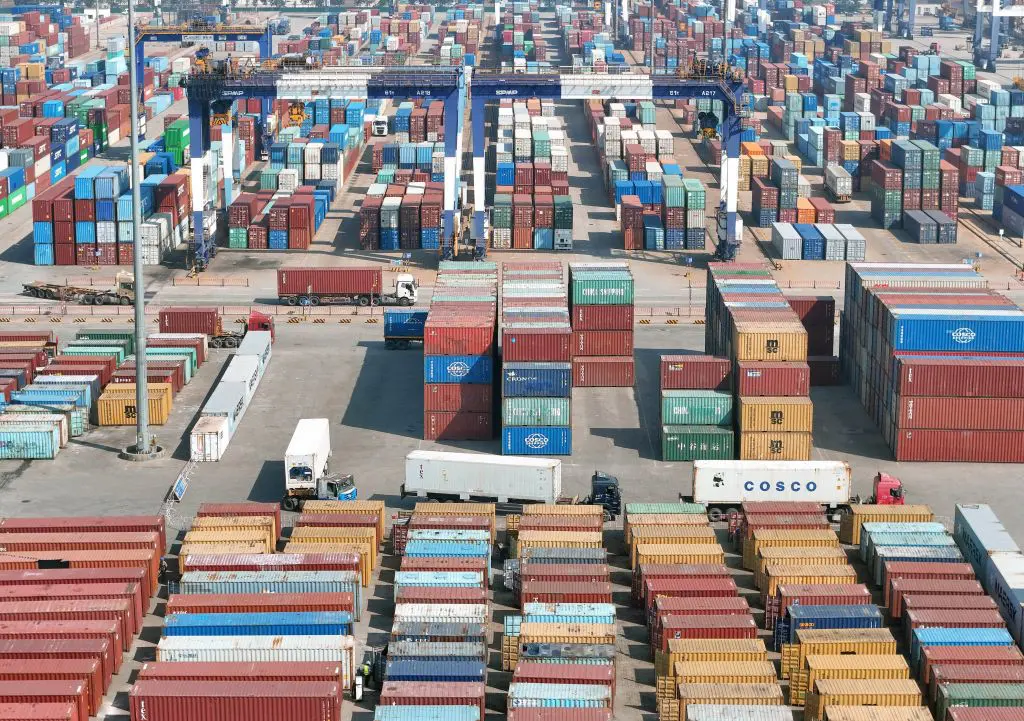
MILANO (ITALPRESS) – The Italian agribusiness represents an excellence of Made in Italy, with a chain that in 2023 generated over 660 billion euros of turnover and 141 billion added value, thanks to approximately 791 thousand companies and more than 3 million people employed. Italy also stands out for the quality and diversity of the offer, with 858 DOP, IGP and STG certified products, the highest number in Europe, which strengthens competitive positioning on international markets. This is what emerges from the Focus On “Food”, an analysis that takes a photo on the trends of Italian agribusiness and on the export of the sector, realized in occasion of Tuttofood, starting next week, from the study office of SACE, the Italian Export Credit Agency participated from the Ministry of Economy and Finance. In 2025 the exports of Italian agri-food products reached 72.5 billion euros (+5%), of which 62.5 billion for food, beverages and tobacco and 10 billion for agricultural products. The growth has been driven by sectors like other food products (+12.7%), agricultural products (+9.4%), cheeses and dairy products (+13.7%), meat (+10.4%) and bakery products (+3%). The sales of fruit and vegetables remained stable, while the sales of beverages decreased (- 2.5%) – in particular the wine (- 3.7% to 7.8 billion euros) – and oils and fats (- 8.6%) – on which it weighed the decided bending of olive oil (- 20% to 2,5 billion euros).
At regional level, Emilia-Romagna is the first export region with a value of Ç13,1 billion (+8% in 2025), followed by Lombardy (11.8 billion, +8%), Veneto (10,5 billion, +4.8%) and Piedmont (10,2 billion, +8.6%). Double-digit growth was recorded by Sicily (+11%) and Friuli-Venezia Giulia (+11.6%). Made in Italy agri-food exports are mainly concentrated in nearby markets: about 59% are directed towards EU countries, while the remaining share towards the extra-EU area. In detail, Germany, France and the United States are the main destinations, welcoming almost 37% of sales in the sector. Both the German and French demand has been rising (+7.2% to 11.2 billion euros and +6,1% to 7.9 billion euros). Export to the United States, on the other hand, resulted in a contraction (-4.5%), on which the smaller sales of beverages, especially wine. Particularly significant the growth recorded by Spain (+13.1%), spread to all sectors and mainly driven by the greater export of other food, meat and agricultural products. Notable dynamics have also been reported by Eastern European countries, such as Poland (+15.6%), Romania (+10.2%), Czech Republic (+9.4%) and Croatia (+10.3%), as well as less-mannered markets such as Turkey (+14%) and Morocco (+71.2%).
The prospects are particularly positive for Asian countries, where almost a third of the new global food demand will be concentrated by 2034: South Korea, Vietnam and India are key markets, driven by urbanization, income growth and middle class expansion. The diversification of the target markets is the strategy on which companies in the sector must aim to continue to grow internationally, even in the light of recent trade agreements signed by the European Union with Mercosur countries, India and Australia.
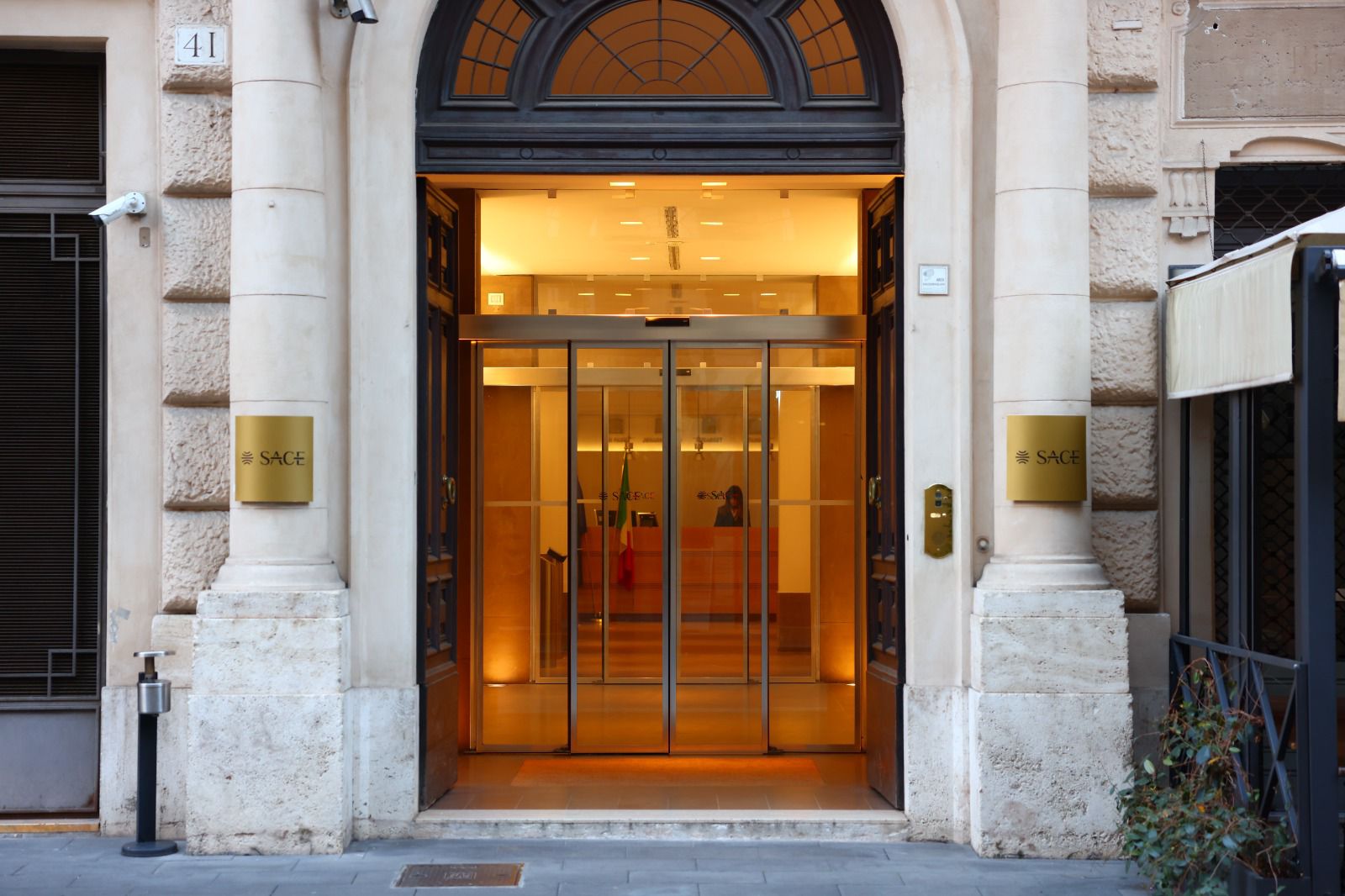
– photo print office SACE –
(ITALPRESS).