ROMA (ITALPRESS) – A single voice, clear and compact, to ask for certain rules and to stem the overflow of technological giants and artificial intelligence. It is the unitary message that the entire Italian publishing industry – a sector capable of generating 13,2 billion euros and supporting more than 280.000 workers between direct and indirect – launched from Rome during the conference “Article 21: the right to know”, promoted for the first time jointly by Confindustria Radioi, AIE and FIEG. At the heart of the debate there is the urgent need to protect the verified information and professional culture in the face of the action of digital platforms and IA systems, which reuse content protected by copyright without authorization or transparency, feeding the disinformation and putting at risk the economic sustainability of companies and democratic pluralism.
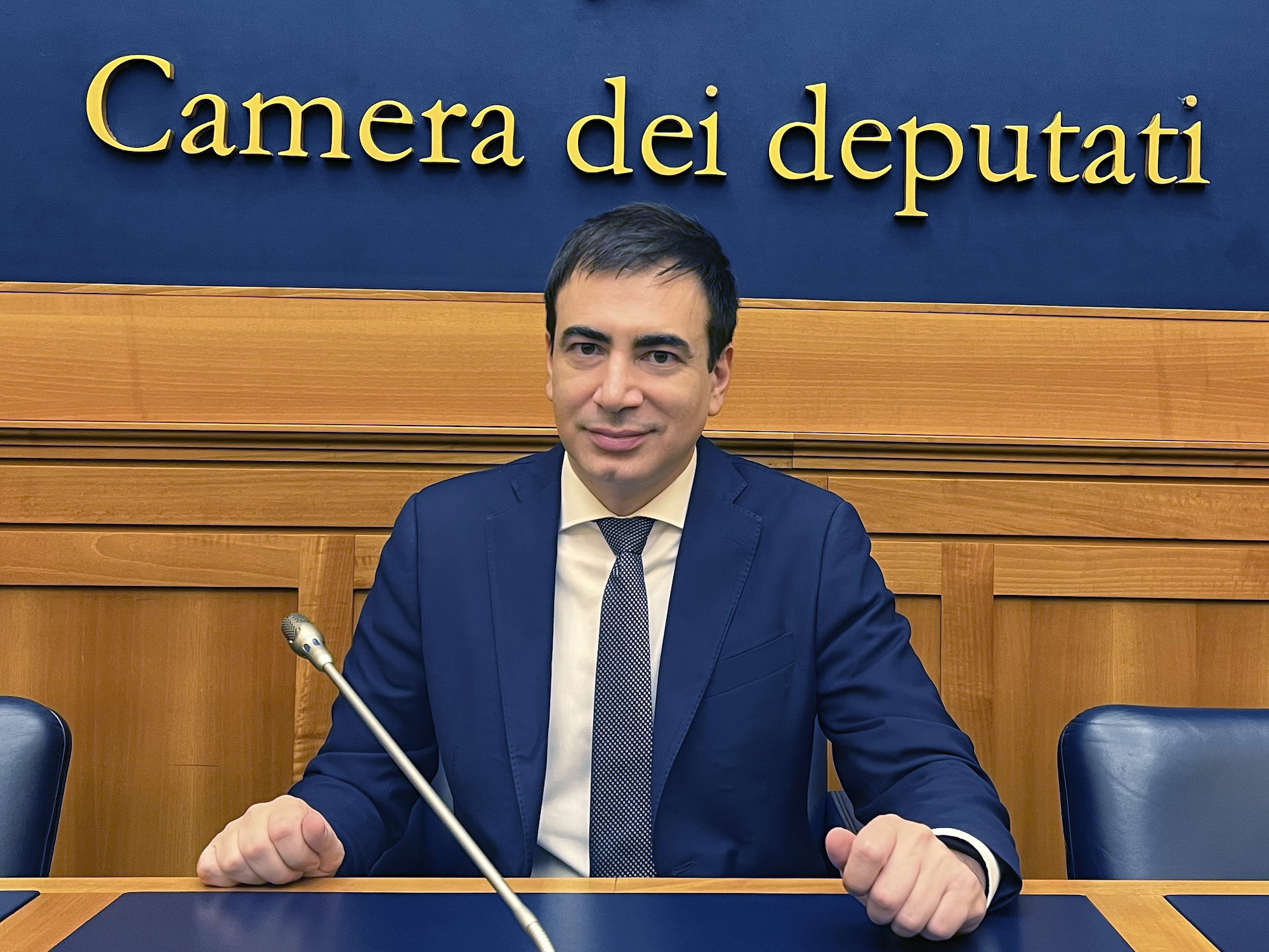
To give a punctual answer from the institutions was the Undersecretary to Information and Editorial, Alberto Barachini, who confirmed Italy’s commitment to promote remuneration agreements and prevent platforms from continuing to exploit editorial work without rewarding it.
Barachini stressed the need to overcome the only logic of sanctions to move to binding rules: “I think it’s appropriate no longer to proceed with fines towards over the top, but to ask over the tops to pay both editorial content that they use for the formation of artificial intelligence, and especially those that use for the answers of artificial intelligence,” said Barachini, explaining that “the theme of reversal of the test, that is to ask the platforms to say before content is used and therefore to retribute the contents, is a central theme of Europe.”.
The Undersecretary then reiterated the value of human intermediation: “Innovation is good if it helps, but not if it replaces: journalistic work is fundamental and the work of verification of sources and news for our democratic estate is fundamental.”.
In the course of the day the contributions of the industrial leaders of the industry emerged strongly. Antonio Marano (Confindustria Radio Televisioni) has highlighted how editorial responsibility is the irreplaceable element that lacks any algorithm, defining the protection of Article 21 a real challenge of cultural sovereignty in the face of technological supremacy.
Innocent Cipolletta (AIE) reiterated the proposal to reverse the burden of testing on the Big Tech to ensure transparency on model training, while Andrea Riffeser Monti (FIEG) presented a five-point Protocol for information quality and indicated in the fair compensation regulated by AGCOM the reference model to ensure the economic balance of the supply chain.
To complete the institutional framework, Undersecretary Barachini also decisively defended the choice to publicly support publishing and information pluralism. The event, opened by the greetings of the President of AGCOM Giacomo Lasorella and coordinated by Francesco Giorgino, also saw the participation of Minister Adolfo Urso and the Director of the Book and Reading Centre Luciano Lanna.
-Photo IPA Agency-
(ITALPRESS).