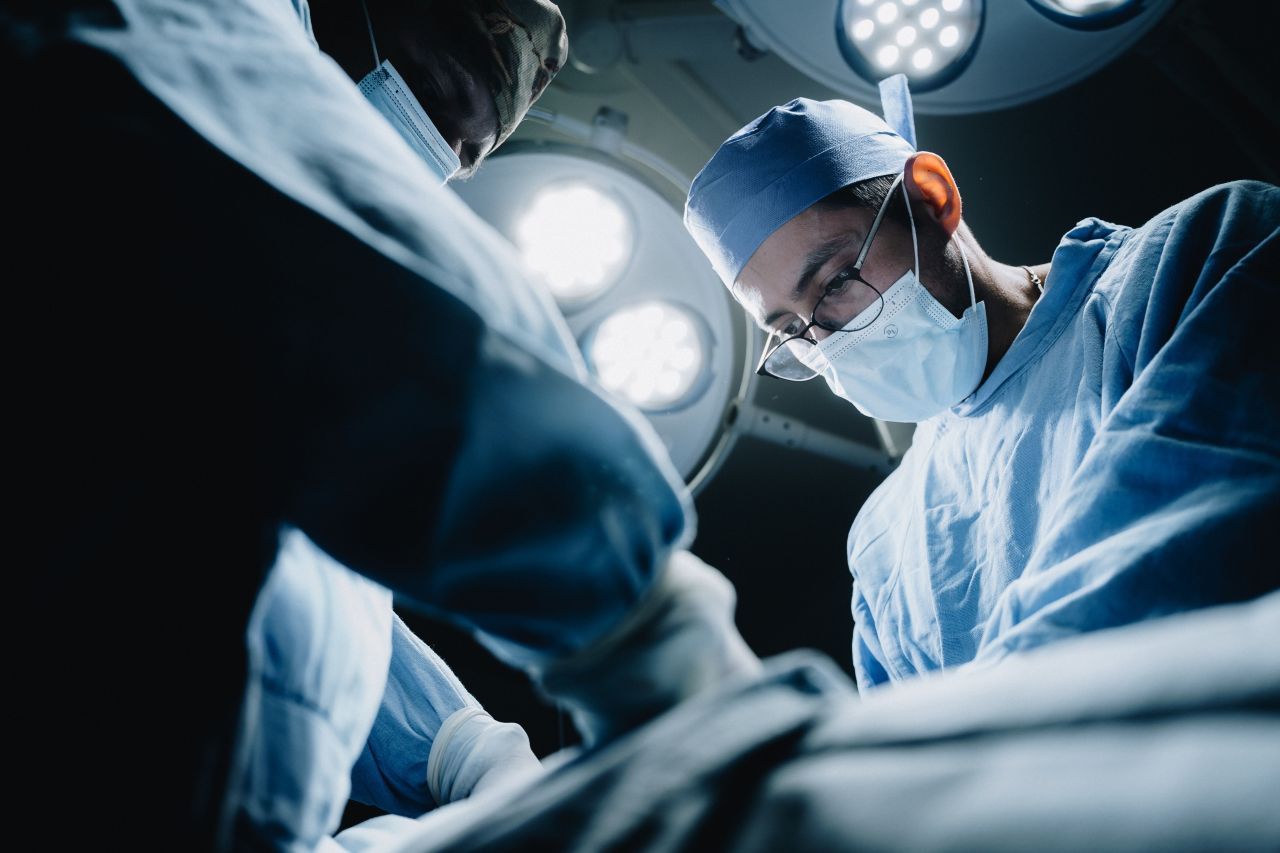
ROMA (ITALPRESS) – Presenting training platforms and illustrating operating techniques not only to young colleagues, but also to urologists who are beginning to practice laser treatments for urolysis and AEEP/HoLEP procedures. These are some of the themes at the center of the International Congress of Uro-andrology of the Menarini Foundation, which took place in Belgrade on two days. The program was developed around the educational mission of the event. Particular attention has been paid to understanding the laser as a source of energy and the physical principles underlying it: a fundamental premise for safe and effective use. Professor Otas Durutovic retraced the main moments of the congress: “Every day had six sessions, starting from Friday. The first was dedicated to the collaboration between urologists and anestheists, with guidelines for treatment in intensive care, as in the case of a septic patient, for which it is essential to obtain control of the source of the infection within six hours. The second session, very followed, dealt with laser surgery and its different applications, while the next was dedicated to robotic surgery, one of the most important emerging technologies. It then went to reproductive medicine and metabolic syndrome, without neglecting female health, also a fundamental part of urological health”.
Great interest also aroused the session on robotic urological surgery. “The key point of today’s medicine is the multidisciplinary approach in solving all kinds of problems – said Professor Milona Jevtovic to be able to listen to both surgeons and internalists, and to confront the diagnostics in solving urologic problems, allows the patient to be better treated. We must always keep the patient at the center of our attention, and congresses like this allow us to learn a lot about new knowledge and improvements, which then translate into a concrete help to our patients.”
The second day of the congress opened with an in-depth study of urological urgencies and general surgery – situations that do not allow preparation times (“docking time”) and require immediate intervention – alongside examples of extremely complex multidisciplinary surgical procedures, for which open-air surgery remains the only viable option.
A particularly engaging discussion followed the session dedicated to reproductive medicine and infertility, both male and female.
The final session offered a look at the future: the integration of artificial intelligence into diagnostic and clinical practice. “It was a congress full of interesting presentations, able to communicate cardiologists, anestheists and surgeons – said Professor Andrea Gavazzi – sharing his experience and sharing his questions is a very important aspect. I believe that live surgery still maintains a value today, as well as a solid knowledge of what is being done and never forget the patient, which remains the absolute priority: I personally continue to practice it, because it allows to observe closely how colleagues face real situations. Looking at the future, I think robotic surgery will continue to develop and become more and more protagonist: the robots in use today will probably not be the same in the coming years, but it is above all the automation of robotics to represent, in my opinion, the direction to follow”.
– Photos www.pexels.com –
(ITALPRESS).