ROMA (ITALPRESS) – Artificial intelligence is already a reality for the Italian MedTech sector, among the most lively in Europe: 78% of companies have integrated it into their products or services and 61% are in advanced stages of development and validation.
Yet, these technologies are still struggling to reach patients, systematically enter the departments and transform the care models. Some of the evidence at the centre of “AI Adoption Gap in Healthcare”, the first systematic study conducted in Italy on a national scale that involved about 300 companies in the sector, between SMEs and startups, published today by the Tech4GlobalHealth Observatory, University Campus Bio-Medico in Rome and Intesa Sanpaolo.
The barriers to adoption identified by enterprises are not technological, but systemic and organizational: regulatory complexity (69.6%), lack of qualified resources for certifications and validations (58.6%), difficulty in finding funds (57.5%) are the three obstacles most mentioned by companies.
The report offers operational recommendations for the three main actors of the system: regulators and policymakers, at European, national and regional level; industry (SMEs, startups and large enterprises); companies of the National Health Service. Among the priorities identified: to make the timing of regulatory paths more predictable, invest in data infrastructure and interoperability, develop business models compatible with public procurement and strengthen training, involving not only technical specialists but the entire healthcare organization, from top and middle management to clinicians.
Overcoming the barriers requires a coordinated action on several dimensions: improved regulatory clarity, structural investment in data, widespread skills development programs and tools capable of supporting the growth and scalability of innovative solutions, with particular attention to small and medium-sized enterprises.
The research of the Tech4globalhealth Observatory implements in-depth studies of the Intesa Sanpaolo Research Department, with analysis of national and international contexts and the growth trends of this sector, and will be integrated through the partnership of Intesa Sanpaolo with the LIFT (Life Sciences Innovation & Transformation) Lab of SDA Bocconi, which will analyze the economic, organizational and impact implications of the current transformations in the field of the economic sciences of life and that will contribute to
“The health challenges are on the territories, but innovation is still focused on large hospitals. AI is a system challenge, but a lot of training and design still focuses on individual actors – says Professor Leandro Pecchia, Director of Tech4GlobalHealth and Professor of Biomedical Engineering, University Campus BioMedico in Rome -. Regulatory complexity requires synergies, but many still perceive a contrast to be overcome. The report highlights many of these dichotomies and indicates a way to overcome some. Artificial intelligence is a critical leverage to ensure sustainability, equity and competitiveness of the healthcare system and Italian companies.”
For Elisa Z scope Marsala, Head of Education Ecosystem and Global Value Programs of Intesa Sanpaolo, “life sciences have an increasingly strategic role for a country called to address increasing demographic challenges. With the Campus Bio-Medico University we promoted a Tech4GlobalHealth Global Health Observatory, which involves researchers from around the world. Intesa Sanpaolo supports applied research, talent, initiatives in contrast to brain escape, internationalization and integration of the academic world with the industrial fabric, in support of the country’s growth.”
A research laboratory coordinated by Professor Leandro was launched alongside the ObservatoryPecchia, with the task of deepening the barriers to the adoption of enabling technologies in the SSN and to build concrete bridges between companies, health agencies and enterprises of the sector – continues -. The Laboratory also operates as an incubator of initiatives: from research, training, disclosure to policymaking, with the aim of translating scientific evidence into real change. In April, the laboratory was accredited as WHO Collaborating Center for Biomedical Engineering for Global Health, a prestigious award for the contributions of the last 4 years, a global unicum and a confirmation of the choices made.
Observatory and Laboratory work together with a team of young researchers from Italy, Spain, Ethiopia, Benin and the United Kingdom. A deliberately multidisciplinary group: doctors, engineers, economists, computer sciences and a bioethics expert who reflects the complexity of the challenges faced and the international vocation of the project.
The broader synergy with the University Campus Bio-Medico of Rome is part of the commitment that Intesa Sanpaolo promotes – in line with the strategic agenda for EU Research and the Fourth Mission of the PNRR – for universities and schools, through the support of research, the valorisation of merit, also through scholarships to promote educational inclusion, the development of initiatives to attract talent and the internationalization of universities, the integration of academic paths and the integration of schools.
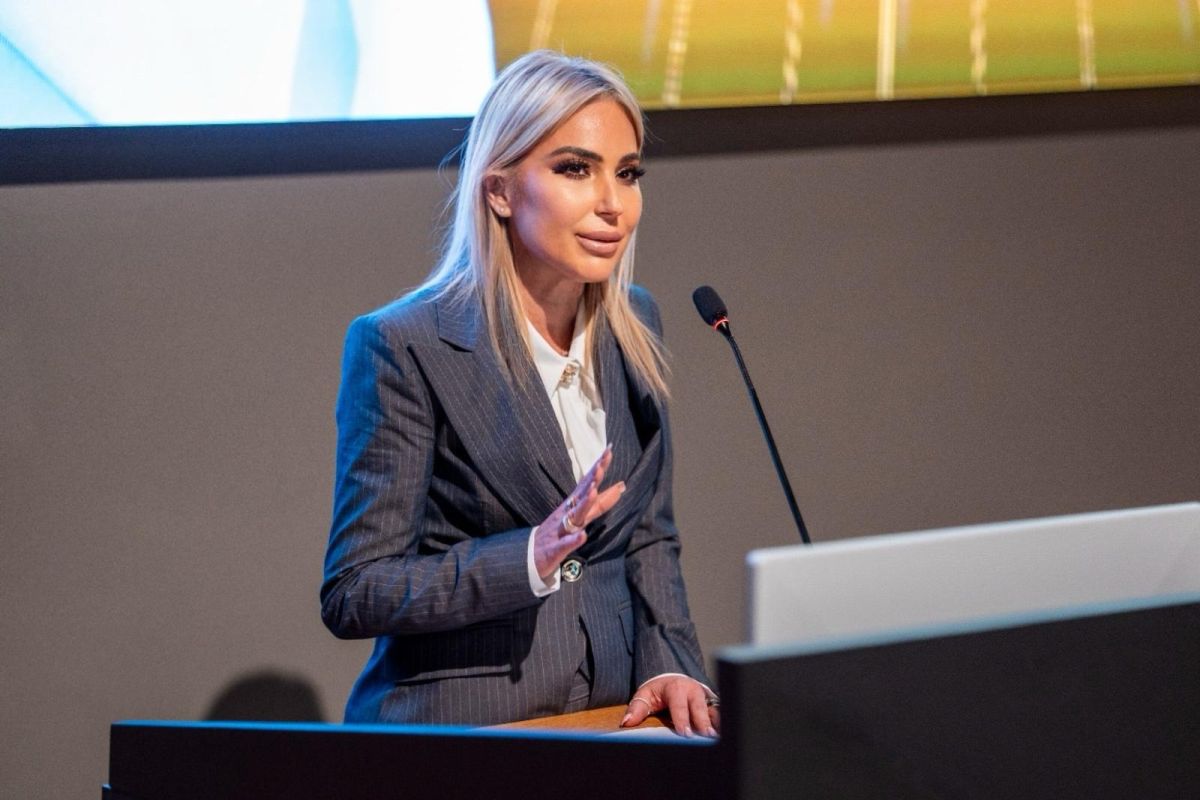
– Press Office photos Intesa Sanpaolo –
(ITALPRESS).