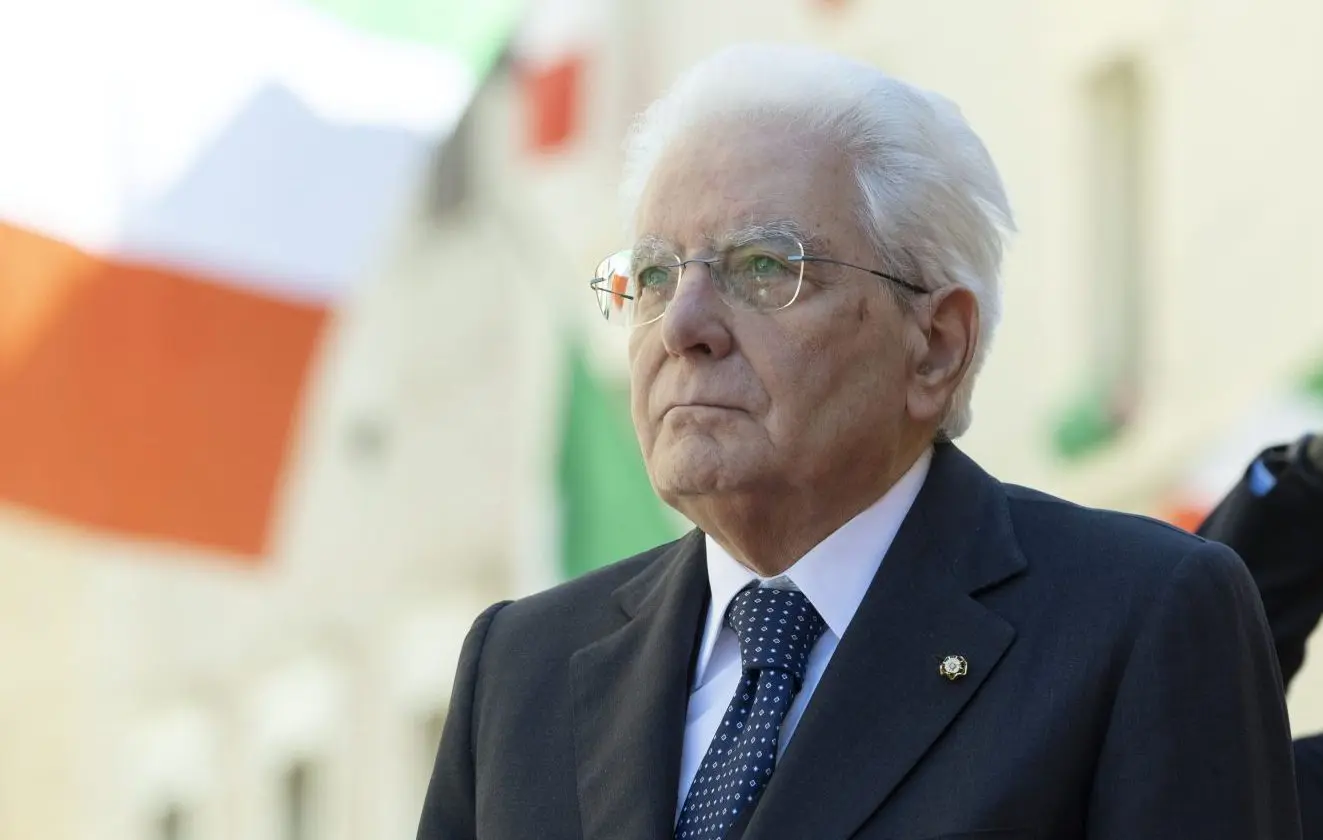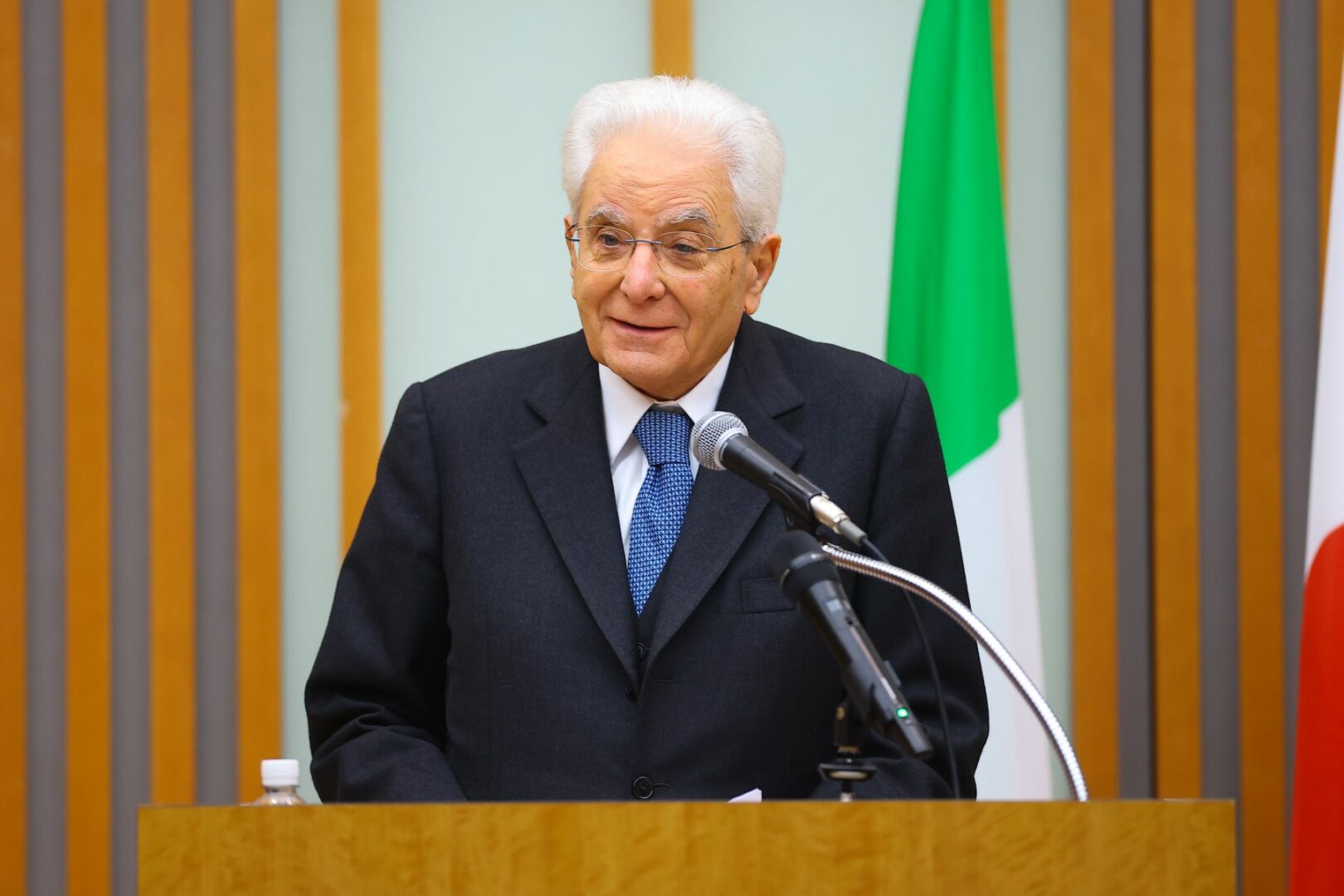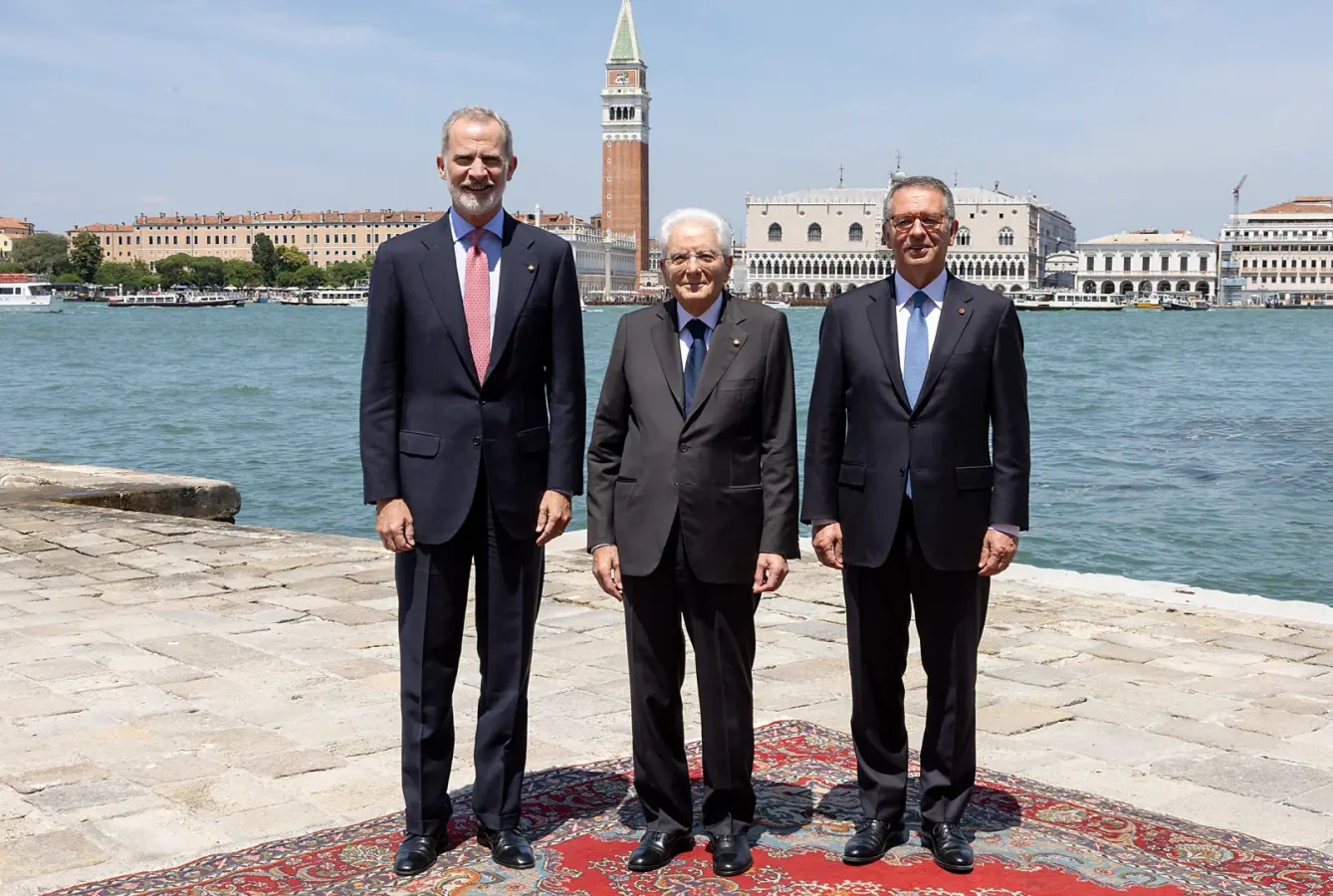
VENICE (ITALPRESS) – “With its impact and its transformative potential Artificial Intelligence is profoundly changing the way we learn, work, produce, organize society. Artificial Intelligence is affecting – with unprecedented speed – industrial processes and services, public administration, scientific research, school, health, access to cultural and information goods.” This was said by the President of the Republic, Sergio Mattarella, in his speech on the occasion of the XIX Cotec symposium in progress in Venice. “This fascinating tool offers new opportunities for institutions, enterprises and individuals – Mattarella continued. It can increase productivity, improve services to citizens, make the different steps more efficient, thus freeing time and resources. At the same time it appears pervasive and susceptible to affect human behavior and social ordinances decidedly more than innovations, even of great scope, intervened in the past”. “Unlike previous technological revolutions – which have mainly dealt with manual and repetitive activities – these are development of generative capacities that directly intervene on cognitive high content functions: information processing, writing, analysis, design, consultancy, decision support,” said the head of the state.
“Electronic computers that make artificial intelligence live from which values are guided? What objectives have been planned for? In a free society, the criterion governing the life of all is that of responsibility, of account. We certainly assist in a process of redefinition of tasks, skills required, transformation of the contribution provided by the human element and its meaning in the value chain of products – Mattarella said. The induced process does not only involve changes in the labour market and occupations, with the potential loss of jobs in existing activities, but it sets the issue of the possible widening of inequalities, nationally and between countries, starting from monopoly and access to increasingly qualified skills.”.
“Artificial Intelligence is a broad accelerator for those with capital and energy resources, technological infrastructure, data and advanced skills. The gap between those who have them and those who remain excluded may expand. The concentration of control of the new technologies in the hands of very few private subjects – who are invading domains until yesterday reserved to the responsibility of the States and the organizations voted for such purposes by the international treaties, starting from space – has made such a powerful reality to claim to disregard if not to overwhelm any rule – the head of the State has continued -. New pretenses of unthinkable legitimacy, for a new international disorder. Yet, any human activity requires rules of behavior and relationship, code, grammar. It presents itself, therefore, a clear theme of sovereignty, on issues involving security of society and citizens’ rights.”.
“People’s rights: eight hundred years ago a brilliant Italian jurist defined a principle that infringed the absolute power of the states of that time, affirming – in the common language of that time, the Latin – “Quilibet in domo its discourse rex” – “Whoever, in his own home, should be considered sovereign.” In his own home not in that of others or in common areas, as it risks to happen,” he added.
“The dichotomy between benefits and threats of a technological leap occurs cyclically in history. Every great innovation has aroused hopes and fears, generating progress when understood in its intrinsic purposes and oriented towards the progress of humanity. This dichotomy must be dissolved. Not in the direction of a demonization of change. On the contrary: to enhance its immense positive effects. Knowing him wisely to govern, with the ultimate goal of protecting the dignity of people, multiplying awareness – therefore freedom – of citizens and knowing that the work of each one is closely connected – added Mattarella again. A few days ago, in his first encyclical “Magnifica humanitas” Pope Leo XIV – who, in recent days, made an important trip to Spain – recalled this need: Artificial Intelligence must respect the capabilities of each person, not reduce it to a marginal element of automated processes. Because – he wrote – “work remains a fundamental dimension of human experience: not only a means of support, but a place of expression, of relationships, of contribution to the community”.
“The alternative concerns young people, and millions of people, of all ages and conditions, for access to the most basic services – the new frontier of citizenship – and millions of workers who will have to acquire new skills to operate in productive environments integrated with IA systems – said the president –. Today 99% of the world population is a mere passive user of new technologies: the ability to understand their mechanisms, to intervene in their programming, is few. A trend that must be reversed. With urgency.”.
“Our countries must strengthen the ecosystem of innovation and thus understand the value of the memorandum signed by the presidents of the three Cotec. The European Union must make a leap. To move from the enunciation of principles to concrete decisions. Strategies have been widely discussed. The necessary policies must now be put in place, with the passage from the necessary production of rules to operationality. It is essential that member governments abandon shyness and reservations and that they are not a brake on common action. The challenge we have before is plural and complex. It is one of the great evidence of our time and no country can imagine facing it in solitary – continued the head of the state -. What form will take the world in the coming years is one of the questions that appropriately arises this Cotec session of Venice. Today’s meeting therefore takes on a particular value. The Cotec Foundations of Portugal, Spain and Italy have promoted over the years a fruitful dialogue on innovation”
Today they are called to measure themselves with a consequent responsibility: to contribute to a European response to the transformation of work in the time of Artificial Intelligence – Mattarella said –. Let us not miss the opportunity to renew – adapting them to the future – the foundations of the union between innovation, work and democracy, which characterized the twentieth century. We owe it to young generations”
– Photo Quirinale –
(ITALPRESS).