ROMA (ITALPRESS) – In Italy the diseases of the circulatory system, including stroke, still represent the main cause of death. In 2023, 31% of deaths were responsible, confirming the first cause of death among women (33%) and the second among men (28%). A positive signal comes from the trend of mortality, fell to 24,7 deaths every 10,000 inhabitants, the lowest value of the last decade.
“The prevention of stroke requires a shared commitment between citizens, health professionals and institutions,” says Luigi Palmieri and Chiara Donfrancesco, Heads of the Heart Project of the Higher Institute of Health, who provides useful data to guide prevention strategies and promote targeted interventions to protect health. “Concept and monitor your blood pressure, blood sugar and cholesterol values allow you to identify your risk conditions early and intervene before cardiovascular events occur.”.
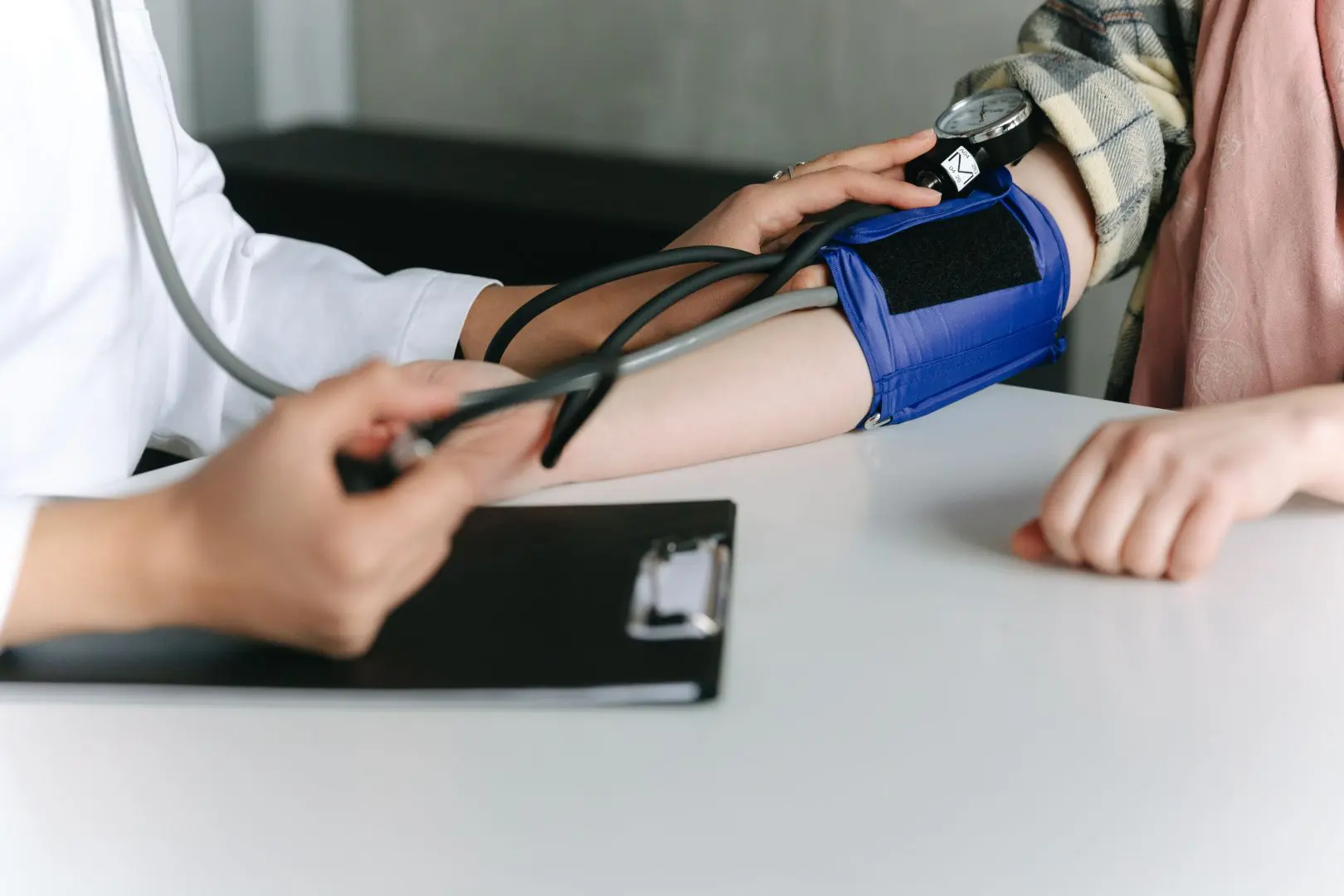
The preliminary data of the Italian Health Examination Survey 2023-2025, within the framework of the Heart Project, show how important it is to monitor blood pressure. In the population between 35 and 74 years, the average systolic pressure values are 134 mmHg in men and 125 mmHg in women.
Considering people with high blood pressure or specific drug treatment, the share reaches 47% between men and 34% among women. Pressure control remains critical: between people in treatment, only 22% of men and 34% of women have values below 140/90 mmHg.
Particularly relevant is the share of people who do not know of having high values. In the age range between 35 and 44 years, among people with high blood pressure, it is not aware of its condition 72% of men and 53% of women. Hypertension is one of the main risk factors for stroke and may also be present in the absence of obvious symptoms. Regularly measure blood pressure and follow the doctor’s instructions are therefore fundamental actions to recognize and control risk promptly.
Food also plays an important role in cardiovascular prevention. The data of the Heart Project indicate an average daily consumption of salt of 9,3 grams in men and 7,1 grams in women, values higher than the recommendation of the World Health Organization (WHO), which suggests a consumption of less than 5 grams per day. Only 11% of men and 24% of women respect this indication.
Reducing salt consumption, also paying attention to that present in packaged foods and processed products, is a concrete measure to help control blood pressure and reduce cardiovascular risk. Prevention also passes by other everyday behaviors: do not smoke, follow a balanced diet, regularly carry out physical activity, maintain a proper weight and control blood sugar levels and cholesterol levels.
Intervention on risk factors helps reduce the probability of cardiovascular events, including stroke. In addition to prevention, it is essential to quickly recognize the signals of a possible stroke. This is a medical emergency in which the rapidity of the intervention can decisively affect the consequences of the event.
Symptoms may appear suddenly and include: “Asymmetry of the face, for example with a corner of the mouth that tends to fall; Boldness or loss of strength to one arm or leg, especially if it affects only one side of the body; Difficulty to speak or understand words; Sudden sight disturbances; Loss of balance or difficulty of coordination; Sudden and very intense headache, without an apparent cause.”.
In the presence of one or more of these signals – recommend experts – it is necessary to immediately call 112 or 118, without waiting for the symptoms to disappear. Even when disorders are resolved in a short time, urgent medical evaluation is essential.
The reduction of cardiovascular risk requires both individual and structured public health actions. In this context Jacardi – Joint Action on Cardiovascular Diseases and Diabetes, a European initiative coordinated in Italy by the Higher Institute of Health through the Department of Cardiovascular Diseases, Endocrine-Metabolic and Aging. The project promotes coordinated actions to improve the prevention of cardiovascular disease and diabetes, strengthen health literacy, promote early identification of people at risk and improve the integration of prevention and treatment paths.
-Photo www.pexels.com-
(ITALPRESS).