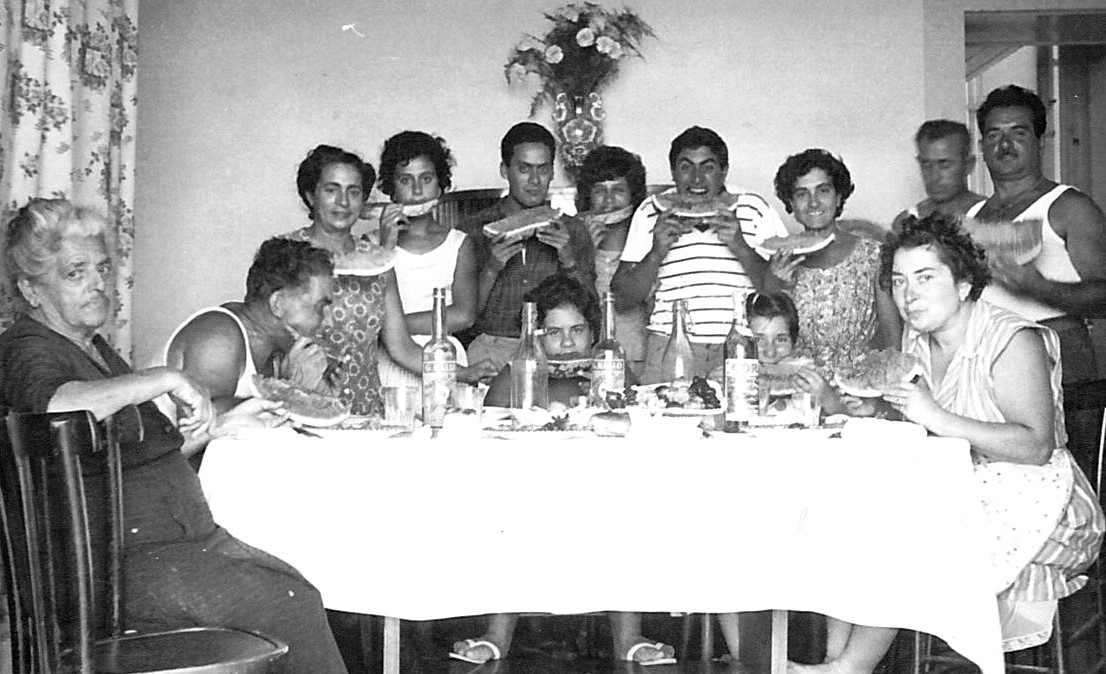
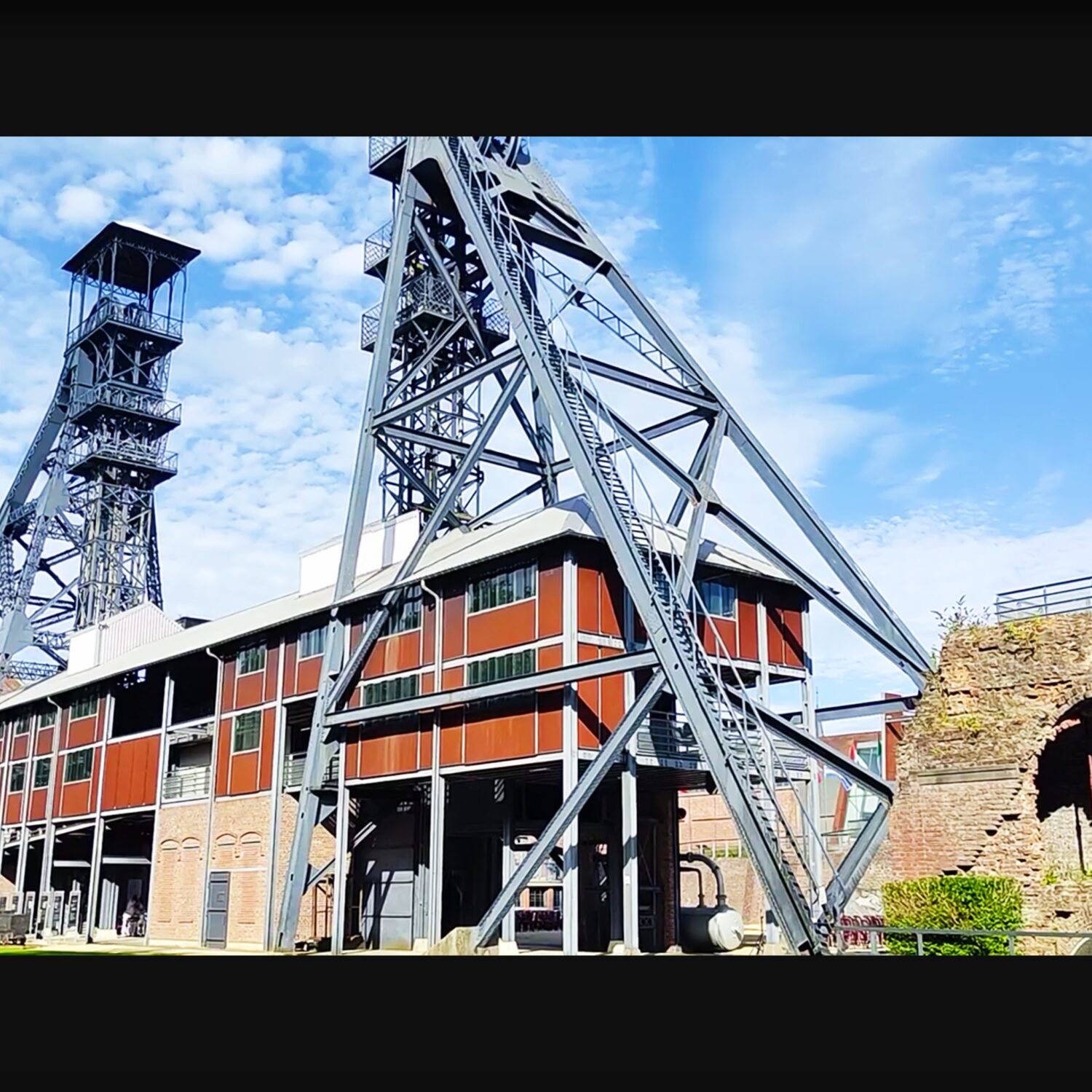
There is an invisible and wet thread of tears that unites the coal wells of the Belgian Wallonia to the shores of Ellis Island, in the shadow of the skyscrapers of New York. It is the thread of the Italian diaspora, a story of bartered arms, cardboard bags and trains taken with the heart remained in the country. On August 8, 1956, more than a thousand meters deep in the Bois du Cazier mine of Marcinelle, 262 men were swallowed by smoke and flames. Among them, 136 were Italian. They started out under a ruthless agreement: Italy sent arms to Belgium in exchange for coal bags to restart the national industries in the post-war period.
That day, the earth trembled in Europe, but the echo of pain bounced overseas. For many of those miners, Belgium was not to be the last stop. In the letters sent to mothers in Abruzzo, Calabria, Molise or Veneto, the dream often smelled of America. Many survivors, or brothers of those who lost their lives in that pit, decided that Europe had no future to offer. They collected the few rags left and climbed on the ships to the Americas.
New York became the refuge and ransom of the miners of Europe. Those who escaped the “black silence” of Wallonia found themselves digging the tunnels of the Grande Mela Metro, throwing cement for bridges or climbing the steel beams of Manhattan skyscrapers. Another language changed the sky, but the fatigue remained the same.
The tragedy of Marcinelle cannot be understood without looking at the United States. Before 1956, the history of Italian emigration had already paid tributes of scary blood in the bowels of the American land:
Nel 1907 a Monongah, in West Virginia, centinaia di minatori italiani morirono nel più grave disastro minerario della storia degli Stati Uniti.
Nel 1913 a Dawson, in New Mexico, un’altra esplosione spezzò le vite di decine di emigranti italiani partiti da ogni angolo della penisola.
Marcinelle, Monongah, Dawson: three names distant thousands of kilometers, yet united by the same fate of deprivation and hope. The Italian miners who left Belgium to settle in New York brought in the neighborhoods of Brooklyn or the Bronx eyes marked by the coal dust and the terror of the dark, but also an unwavering pride.
Today, August 8 became the National Day of the Sacrifice of Italian Work in the World in Italy. Remembering this global dimension of emigration means giving a name to millions of forgotten faces who have literally built the modern world with their own hands.
The blood poured to Marcinelle and the myths of migrants in New York cries out an unmountable truth: work cannot and must never demand life in exchange for bread. The safety and protection of workers is no cost to be cut on the altar of profit, but the very foundations of civilization and democracy.
That of Italians in the world was an epic of suffering, but above all of immense dignity. Looking today at the skyscrapers of New York or the old mining villages of Belgium, the same warning resounds: every worker, in any part of the planet and under any flag, has the sacred right to return home in the evening, in order to embrace his children in the light of the sun.
On August 8, at 8:00 a.m. in the morning, the still air of Marcinelle split to the sound of the bell placed in the garden of the Mine. A slow, heavy retouch that digs in the chest like a picket. Two hundred and sixty-two times. Once for each remaining miner down there.
Immediately afterwards, the silence was filled by a secular and hearty quarrel: the high voice reading of all the names of the victims. Feeling those surnames markedly southern, venetian, Abruzzo and friulani pronounced in foreign land removes the breath, returning an identity and a home to those who for decades was only a serial number or a “Italian by mine”. To understand us better were the years where at the entrance of some cafes there was the sign ” Vietato the entrance to dogs and Italians”.
Present all the Authorities of the Nations origin of the victims, for Italy the President of the Senate on. Ignazio The Russian who anticipated the possibility that the European Community also dedicates this day to the memory of the victims of accidents at work in Europe. In his speech he also read the message of the President of the Republic Sergio Mattarella that the words of mourning and closeness to the families of the victims invited everyone to reflect on the very high human contribution paid for this tragedy.
This ritual inevitably evokes a powerful and painful analogy with another temple of world collective memory: the Ground Zero in New York during September 11. Also there, at Ground Zero, life stops, touches break the chaos of the metropolis and a Spoon River of endless names flows in front of the eyes of the world. Despite the diversity of events – one a tragic accident, the son of missing guardians, the other a brutal act of terrorism – the emotional substance and the human need mirror each other. In both places, the act of uttering a loud name in front of the sky becomes an argine against oblivion, a way to tear those men and women to the common pit of history and put them back to the center of the world. New York and Marcinelle, today, are ideally close: two universal altars where humanity stops crying its deepest wounds.
But what is it to stop today if this memory does not become flesh and blood for those who last century only saw it in the subsidy? This is where the memory ceases to be simple nostalgia and becomes a political and civil act of rebellion. Young generations, who today grow in a hyperlinked and precarious world, are hungry and entitled to know the Truth. A often uncomfortable, rough truth, which speaks of political cynicism, a country – ours – who exchanged their children for fuel bags, and an industrial system that put profit before human flesh.
If today we have no courage to stop, to empty the pockets of history and to put on the plate the facts of the past, naked and raw, we commit an unforgivable crime: we become conscious accomplices of the choices of their future. We cannot ask young people to build a world of rights if we do not show them the rubble and blood on which those rights have been laboriously built.
The testimony is not a dusty photo album, but a burning witness to pass by hand in hand. Only by looking at the darkness of yesterday’s mine, the boys of every part of the world will be able to recognize and reject the “new Marcinelle” that today are consumed in the shipyards without security, in the campaigns of the caporalato or behind the algorithms of the ruthless logistics. To tell the truth to young people means to arm them with awareness, so that they must never barter their dignity – or their lives – with the right to exist.
L’articolo From Marcinelle to New York, the Italian blood that built the century comes from IlNewyorkese.