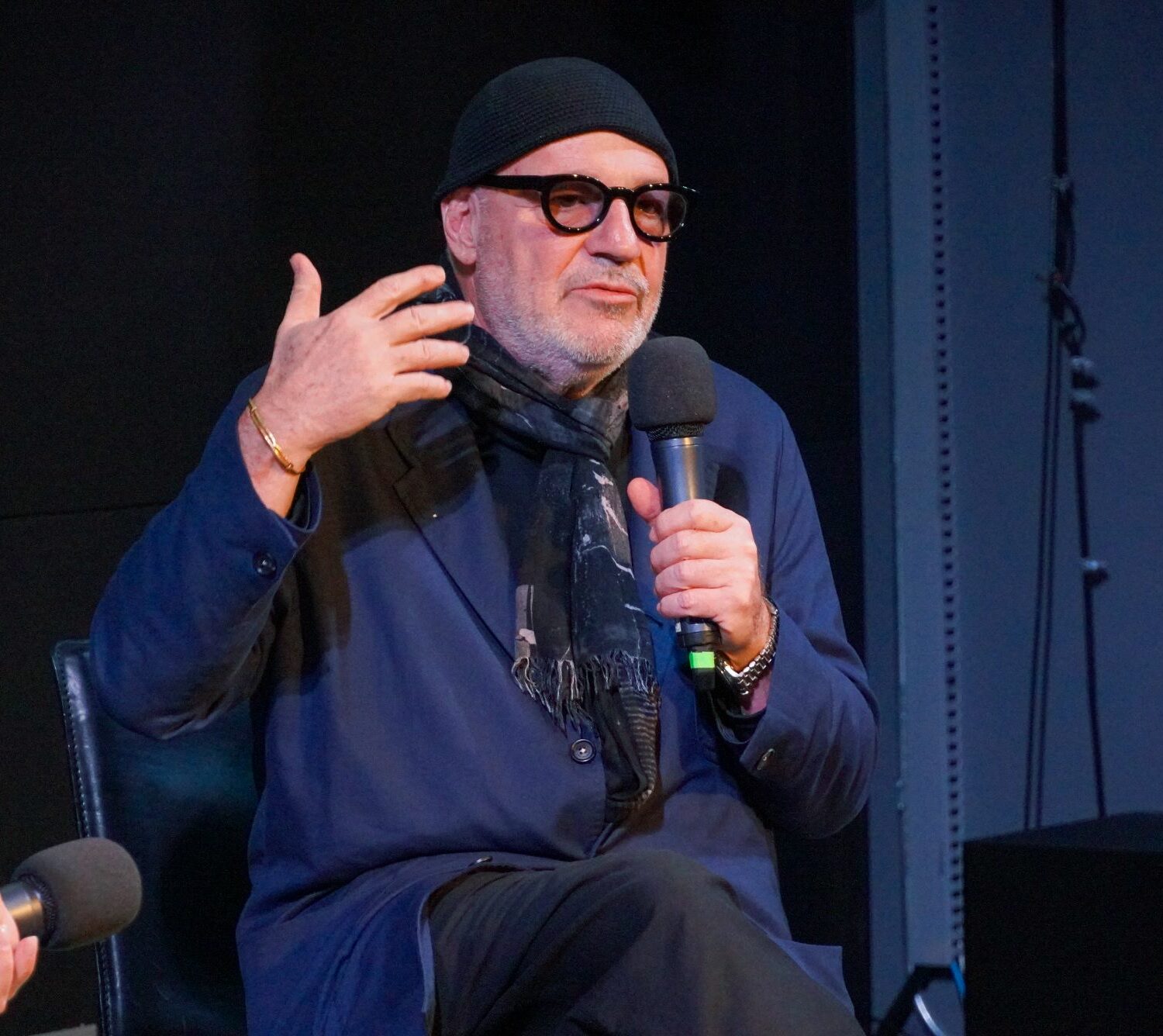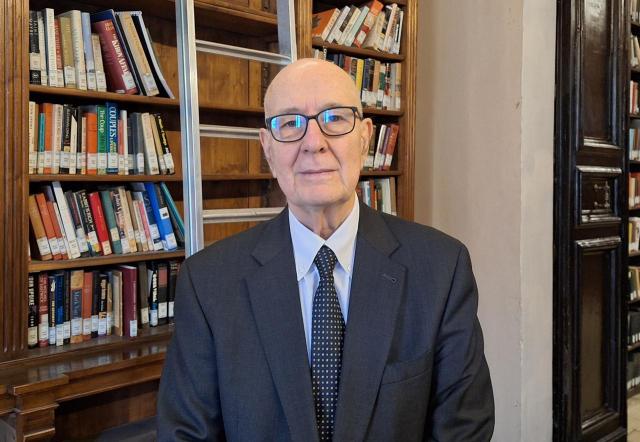
Founded in 1972, John Cabot University is the U.S. university in Rome that for years has been hosting students from all over the world with undergraduate courses and study programs abroad. Over time he has built an offer that focuses on international experience, as well as academic training. An important part of this development is linked to the work of Franco Pavoncello. Pavoncello began his collaboration with JCU in 1990 as Professor of Political Science, from 1996 to 2005 he was Dean and from 2005 he was the sixth President of John Cabot University.
After more than twenty years at the head of John Cabot University, what do you think was the most significant transformation of the athenaeus under your presidency?
First of all, expansion. When I became president, in 2005, the university was concentrated in one building. Over time we have acquired new spaces from a former school on the Lungotevere to four campuses and three student residences. To this physical growth, the academic one has joined: more and more qualified courses and teachers. This has made the university more attractive, both for American students arriving for a semester, and for those who choose to graduate here. Today they live with American, Italian and international students from around 80 countries. It is a special environment: everyone, for different reasons, is outside their usual context. This condition promotes attention, participation and ability to compare.
What was the most complex challenge in managing this expansion?
The most difficult was investing without certainties. Each new home involved a bet: build or buy spaces counting on the fact that, over time, students would increase. The numbers then confirmed this choice: we passed from about 500 students to almost 1900. But growth brings with it other complexity, such as strengthening the administrative structure and expanding the teaching body.
Looking back, is there a decision or a moment that considers particularly decisive for the current identity of John Cabot University?
Some passages were decisive. Already before the presidency, when I was Dean, the choice to open up to the American study abroad system marked a turning point. Then the acquisition of new buildings, which made it possible to expand. And more recently, the decision to reopen in autumn 2020, during the Covid. It was a very difficult moment: on the one hand the health risk, on the other the concrete possibility of not reopening again. We decided to take responsibility and, in fact, the system worked.
During his term, the University strengthened its position as a bridge between the United States and Europe: how important was this element in its strategic vision?
It’s central. We are an American university in Italy: this means that American students are in a different country, Italians study in a different system and internationals live both conditions. This approach makes learning and comparison more open. A very dynamic environment, oriented to critical thinking, debate and ability to communicate.
At the end of June 2026, Dr. Antonia Maioni will end his mandate. What are the challenges for who will take his place?
Today the situation is stable. The number of students is adequate, the university is also solid from the financial point of view. The challenge will be mainly management: rationalize costs, improve existing and grow gradually, without having to face critical steps.
What inheritance do you feel to leave to the academic community?
A cohesive community, transparent and very oriented to the formation of students. I also believe an institution raised in prestige, able to really affect the path of those who frequent it. In particular for American students, the experience in Rome offers an international opening that they often did not have before.
On a personal level, what gave you this experience?
The possibility of building something over time. When I started as Dean in 1996, students were just over 150. Seeing this reality becoming an internationally recognized university, with a high-level academic community, was the most significant aspect.
What advice do you feel to give to the future freshmen of John Cabot University?
Today, liberal arts education is particularly useful in an international context. Not only for technical skills, but to develop critical skills, autonomy and relational skills. These are the ones that allow us to face an increasingly complex future, even in the light of technological changes.
L’articolo Franco Pavoncello, leaves the lead of John Cabot University after more than twenty years proviene da IlNewyorkese.