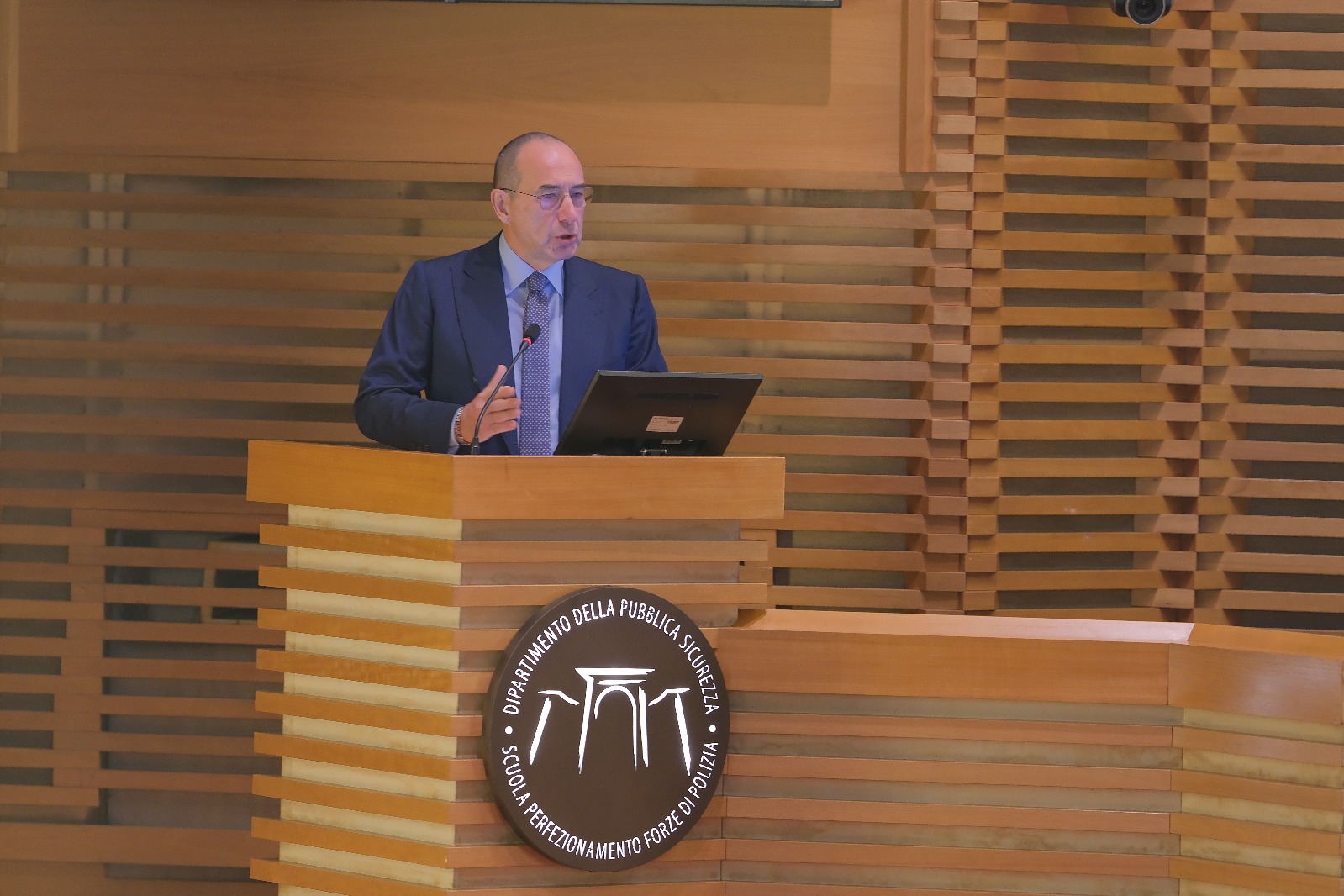
ROMA (ITALPRESS) – The average expenditure of Italian cybersecurity utilities has tripled in one year, reaching in 2024 0.94% of the total turnover of companies, equal to approximately 670 million euros, compared to 0.33% of the previous year. These are the data of the KIC survey (Key Indicator Cybersecurity) launched today by Utilitalia during the Forum “Cybersecurity, the new challenge of utilities”, organized by the Federation along with institutions, operators and industry experts to define the necessary measures to prevent and manage cyber attacks. The event – sponsored by the Ministry of Defense and the Ministry of the Environment and Energy Security – included, among others, the Minister of the Environment and Energy Security, Gilberto Pichetto Fratin and the Director General of the National Cybersecurity Agency, Bruno Frattasi. According to the latest Clusit Report, global attacks increased by 27.4% in 2024. The energy and utility sector, on the other hand, recorded in the first quarter 2025 an increase of 40% threats compared to 2023, with a projection of further growth of 21% by the end of the year.
Utilitalia estimated that the only water sector, in a context of strong digital evolution, has an annual requirement of investments in cybersecurity equal to approximately 40 million euros. “In the context of the digital evolution of utilities – explains the president of Utilitalia, Luca Dal Fabbro – cybersecurity has become a strategic priority. To that of climate change, which for years we identify as the main challenge of the near future for water, waste and energy enterprises, will join that of cybersecurity. Utilities will have to increase efforts in digitization to raise the level of services provided and, at the same time, increase the ability to defend themselves against the cyber attack phenomenon.”.
From the analysis of PwC “2026 Global Digital Trust Insights survey” it emerges that, despite the growth of global spending, only 24% of companies invest significantly in proactive cybersecurity measures (such as monitoring and testing), still favouring a reactive approach. For Utilitalia “an effective strategy instead requires a paradigm shift towards a resilient and preventive model, in line with the NIS2 Directive – which will affect more than 2,500 subjects in the Italian energy sector alone”. There are four, in particular, the strategic actions indicated by the Federation: “On the technical level, an integrated approach is essential that overcomes the separation between IT and OT security and strengthens the collaboration between national utilities and institutions, promoting information sharing, alignment with best practices and a faster and more coordinated response to accidents.”.
“From the regulatory point of view, Directive NIS2 must translate into operational rules that encourage cybersecurity, recognizing it as a strategic factor for competitiveness and national security – continues Utilitalia –. In this context, proactive investments in advanced technologies – in particular artificial intelligence and machine learning – become priority for early detection of abnormalities and the protection of industrial control systems, often more dated and vulnerable. Finally, the development of skills with continuing training programmes extended to all employees and management”. “The adoption – says Dal Fabbro – of a strategic approach to cyber defense that combines institutional cooperation, investment in advanced technologies and the development of human skills, is the only way to ensure the resilience of the utility sector and the continuity of services to citizens, transforming the challenge of cybersecurity into a competitive advantage for our country.”.
– press office photos Utilitalia –
(ITALPRESS).