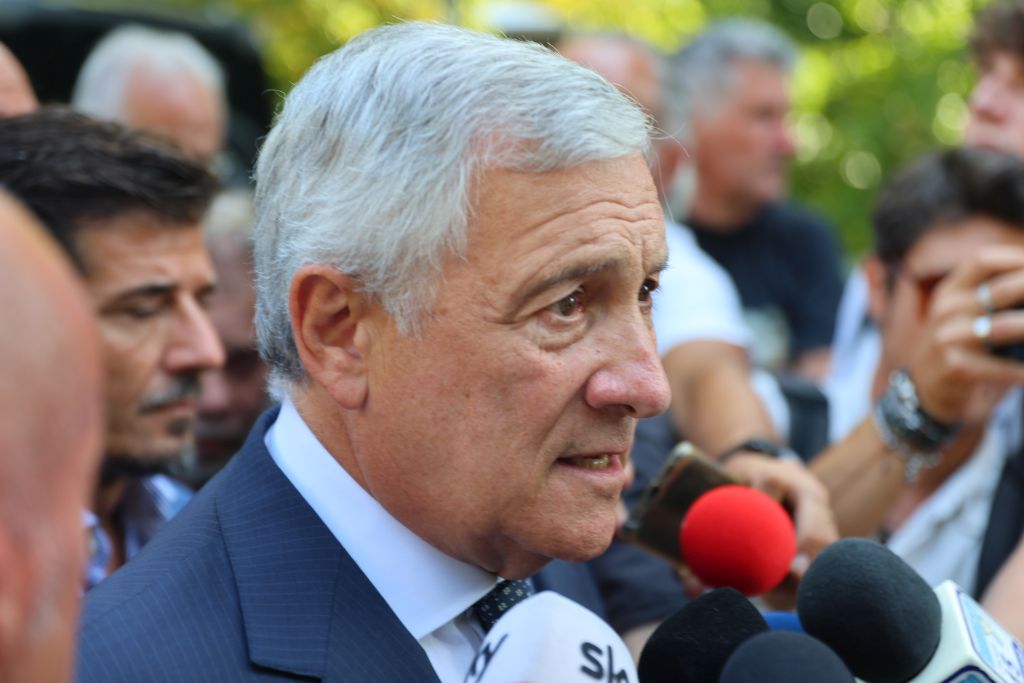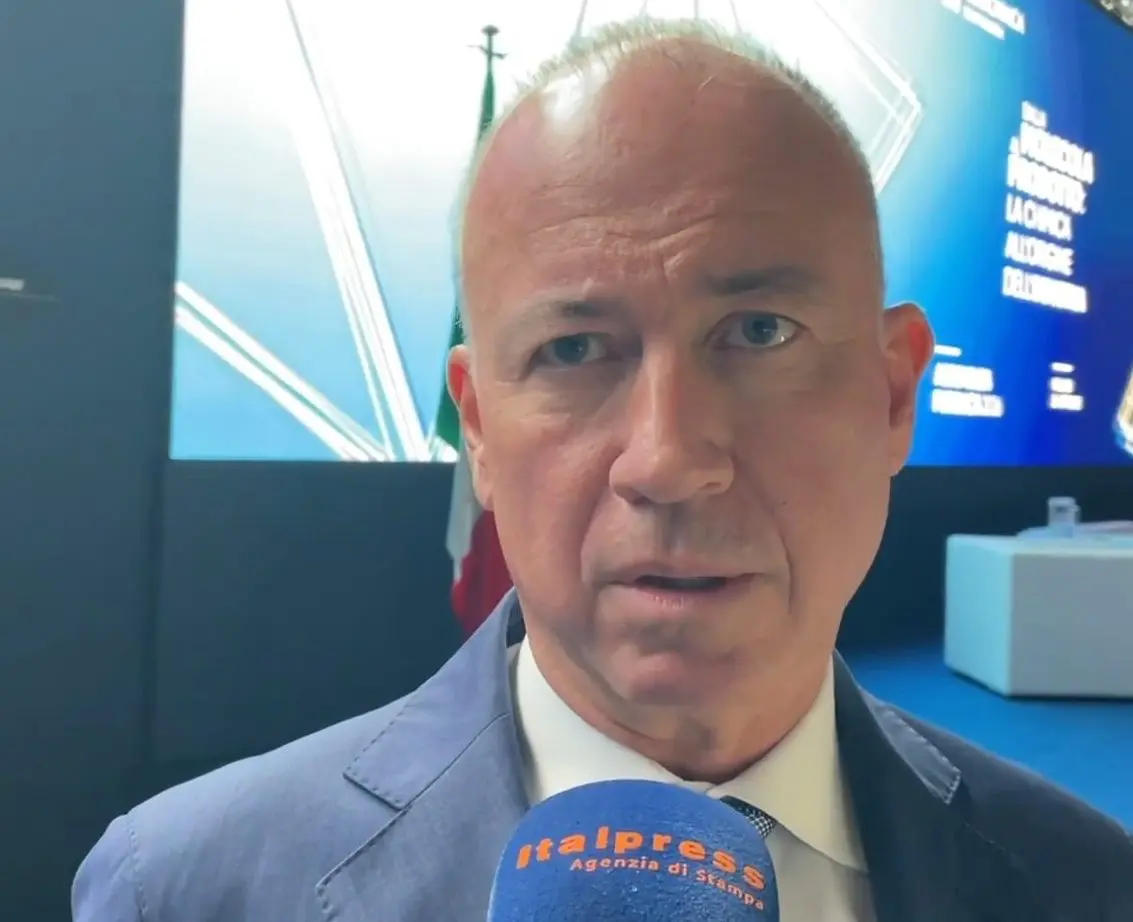
MILAN (ITALPRESS) – “The policies of the European Union are of vital importance to understand whether we intend to cut out a part of co-protagonists, or undergo the aggressiveness of the new industrial leadership in the world, renouncing our well-being and our values.” Thus the president of Federchimica, Francesco Buzzella, opened the assembly of the federation in front of an audience of over 650 entrepreneurs. In the face of the structural weaknesses of a European Union which has been too long for granted the industrial leadership, Buzzella points out that Europe, with a stable and of sure interest market, important savings and 450 million consumers, has an extraordinary productive heritage, in which chemistry can play a strategic role: “Industry is decisive for Europe and chemistry is decisive for industry. But we are really on the verge of an existential crisis,” is the alarm launched. “Among the reasons, energy costs and raw materials, Chinese dumping, infrastructure deficiencies, competitiveness, regulations. To maintain economic resilience, strategic strength and sustainable prosperity, a robust industrial base is indispensable.”.
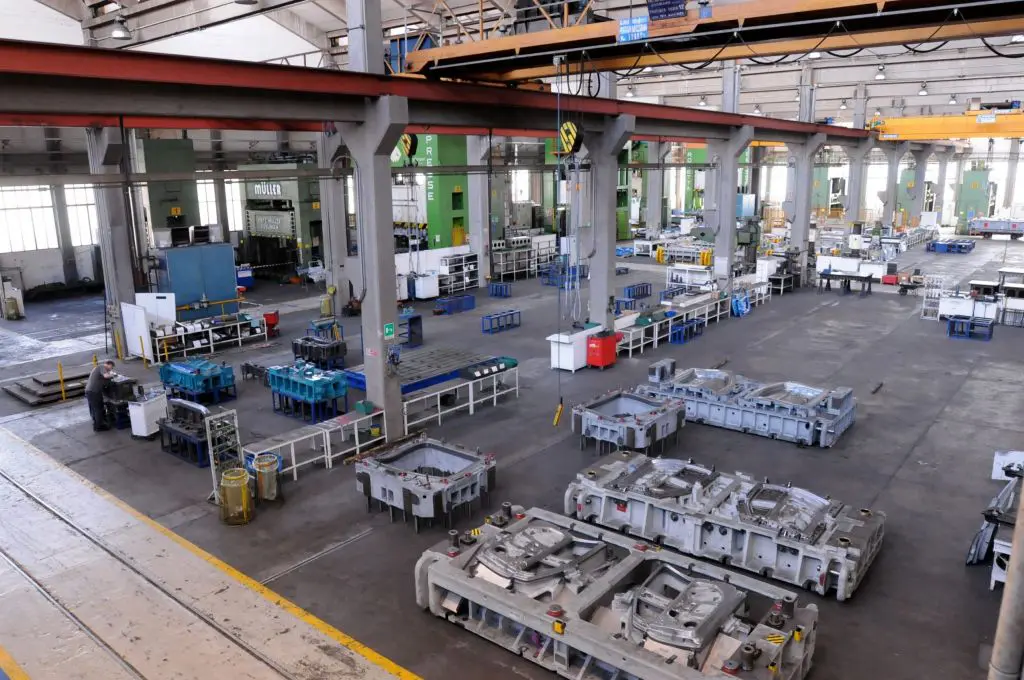
With 60 billion turnover and over 117 thousand highly qualified chemical employees is the fifth industry in the country and Italy is the third European manufacturer. The sector, characterized by the balanced presence of medium-large control groups both nationally and abroad and pmi, shows a strong propensity to export, which exceeds 40 billion. Numbers testify to the value of chemistry for the growth and development of the country with positive effects in economic, employment, scientific and social terms. However, the chemical industry is one of the most affected sectors by unpredictable shocks derived from the complicated geopolitical situation, the effects of conflicts, first in Ukraine and then in Iran, as it uses gas and oil both for energy purposes and as raw materials. In the first part of 2026 the chemical production in Italy has benefited from an anticipation of purchases by the customer sectors, amplified by fears for possible interruptions in supply chains. In light of the aggravation of the global framework and of a total still weak demand, the second part of the year defeated a new phase of bending.
It is expected in further contraction in 2026 (-3%) with possible relapses also on 2027. In this scenario, it is necessary to confront the strength of the United States and China and the aggressiveness of emerging markets. “In 2019 – Buzzella warned – 5% of Italian chemical imports came from China, compared to 17% of 2025. In this same time, our exports to that market increased by 20%, but imports grew by 410%. This adds a real structural dumping, with public aid received by Chinese enterprises between the three and eight times higher than those of OECD countries.” In this context, human, animal and plant health and ecosystem quality become interconnected areas on which safety, well-being and quality of development depend. Among the threats to the competitiveness of the chemical sector remain unsustainable energy costs, and the pressure of climate policies: between direct and indirect costs of the ETS system, Italian chemistry pays more than 600 million a year, destined to become 1,5 billion by 2030.
£Economic transition must be pragmatic, not ideological” is the hope of Buzzella. It is necessary to strengthen research incentives through tools accessible also for SMEs and dedicated not only to radical innovation, but also to incremental innovation. Tax credit must be strengthened and structurally aligned with European standards.” For Buzzella “the transition is not done without industry, it is impossible without chemistry and is not realized by pretending that the market competition does not exist, at the expense of employment, economic and social well-being. We don’t ask for protection. Let’s ask to compete. We do. But even weapons. Because the chemical industry is not the past of Europe, it is the condition for its future,” he concluded.
– photos from video xm4/Italpress –
(ITALPRESS).