ROMA (ITALPRESS) – There will be 12.1 million people with type 1 diabetes globally by 2049, 29 percent more than 9.4 million in 2025. The estimate comes from the DIAMOND-T1D model which outlined a real health emergency, even more paediatric and teenage: in 2025 the 0-19-year-olds represented 42 percent of new type 1 diabetes cases (37 percent in high income countries and 49 percent in low income). Young people under 20 years are particularly at risk for type 2: diabetes according to an American study of the Colorado School of Public Health the rate of new cases has seen an increase of almost ten times since the beginning of the century: a fact that certifies how type 2 diabetes is no longer a pathology that affects only middle-aged people and the elderly.
These are some of the most alarming data presented during the 22nd Congress of the European Association for the Study of Diabetes (EASD), which ended in Milan on 2 October. In Italy today there are almost 4 million people living with diabetes, to which approximately 1.5 million people who do not know they have it. The cases of type 1 diabetes, as a percentage less than type 2, will increase by 16 percent by 2049, reaching a total of more than 239,000 people.
Among the main themes of Congress the disease-modifying therapies in type 1. diabetes While not replacing insulin, these treatments are an innovative therapeutic approach aimed at modulating the autoimmune response and preserving the function of beta cells. Although a single approved drug is available today to slow the progression of the disease and change its course, other immunomodulators and antigen-specific and cell strategies are currently being tested, prospecting an extension of therapeutic options for the future.
“The increase in type 1 diabetes and type 2 debut anticipation outlines the need for increasingly timely interventions to protect the quality of life of patients. In this direction, the documents and activities presented during the conference are also moving,” comments Francesco Giorgino, President European Association for the Study of Diabetes (EASD). “From the new EASD guideline on continuous blood glucose monitoring, which assesses the extent of CGM to all adults with type 2 diabetes, regardless of insulin treatment. Until the new Consensus Report ADA/EASD 2026, which is oriented towards an early and intensive treatment of the disease, able to support glycemic control cardiovascular, kidney and hepatic protection and weight management”.
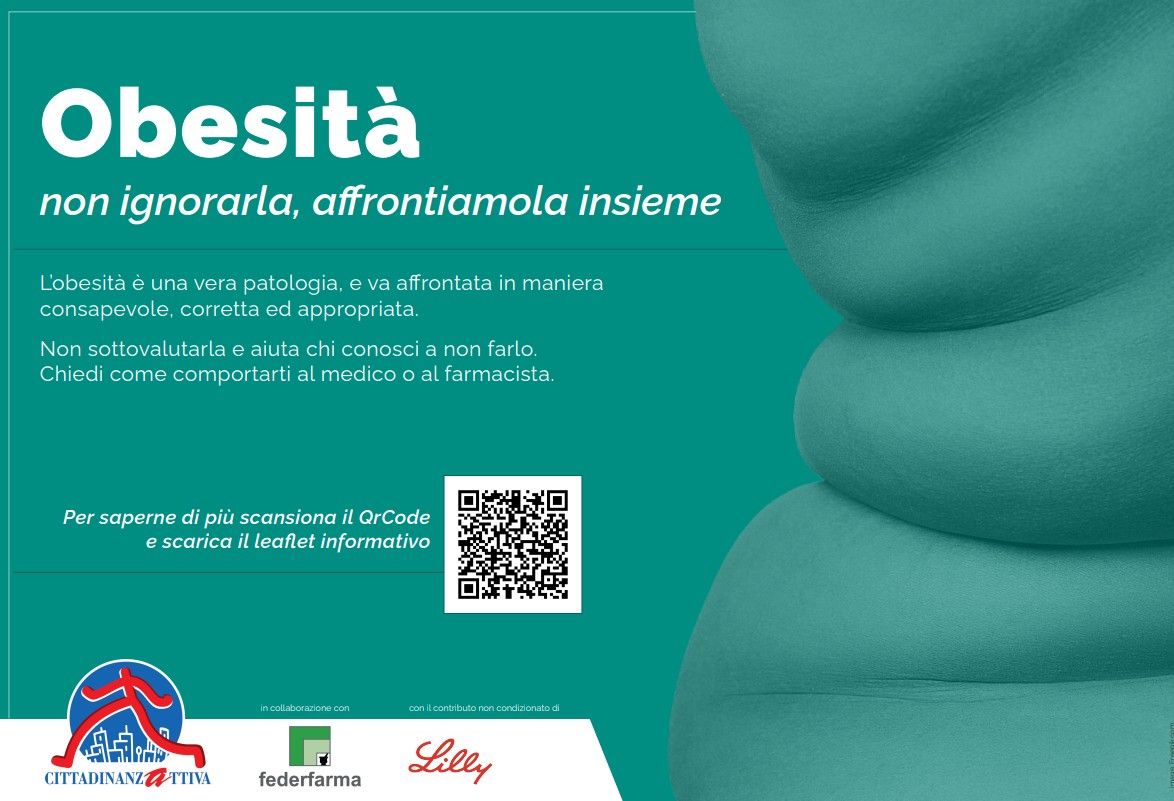
Obesity emerges as a key component of the cardiometabolic spectrum, a link evidenced by the parallel growth of type 2 diabetes cases in pediatric age and weight excess, especially in industrialized countries. Particular attention will be paid to new scientific evidence and their integration in clinical practice: from data on incretines and multi-agonists, the role of starch and the latest therapeutic novelties for obesity, with insights into action mechanisms, safety profile, side effects management and clinical application in specific patient subgroups. In this global health context, Italy is confirmed as a reference point in the care and assistance of metabolic diseases with a historically advanced legislative framework. From the framework law on diabetes in 1987, to the Mulè law — which introduced the first screening program in pediatric age for the early diagnosis of type 1 diabetes and celiac disease — and to the recent law Pella, which recognized obesity as chronic, progressive and relapsed disease, is accompanied by the bill 287 signed by Senator Daniela Sbrollini, currently in the examination phase, which aims to recognize the physical activity.
“The Italian experience shows how the alliance between scientific research and pioneering legislative choices can transform clinical evidence into a concrete and effective organizational model. The goal is to intercept the disease at an early stage to minimize risks, support families and ensure our children a better quality of life. Italy has outlined an avant-garde road that I hope will soon become a point of reference for health policies across Europe,” says Giorgio Mulè, Vice President of the Chamber of Deputies.
“The growing spread of diabetes and obesity among young people places us in the face of the urgency of continuing to innovate deeply our health and social system, to go more and more towards a holistic approach oriented to prevention, which puts the person at the centre. In this vision is inserted the bill that I presented to allow the prescription of sport as a real “farm” without contraindications, which is good for all ages. Investing today in prevention and correct lifestyles means protecting our children and ensuring the sustainability of the healthcare system. In this legislation the Intergroup’s commitment has been constant and recently the DM on Diabetes registers shows an institutional synergy with Minister Schillaci and its offices”, continues Daniela Sbrollini, co-president Intergroup parliamentary obesity, diabetes and chronic non-transmissible diseases.
“Our commitment as a parliamentary Intergroup is always central to the protection of people’s metabolic well-being within the political and legislative agenda, strengthening the culture and tools of prevention together with territorial institutions. Italy in 2025 made a historical step, becoming the first country in the world to adopt a parliamentary law that recognizes obesity as an illness. I am therefore very happy to host the EEASD European Congress these days, in order to emphasize even more markedly how to invest today in prevention and metabolic health means to protect the health of citizens and, at the same time, contribute to the sustainability of the National Health Service”, adds Roberto Pella, co-president Intergroup parliamentary obesity, diabetes and chronic diseases not transmitted.
“Research is a fundamental lever to strengthen metabolic health and transform scientific knowledge into concrete tools of prevention, diagnosis and care. The EASD Congress represents a precious moment of international confrontation, in which the most recent scientific evidence can be translated into new perspectives for the health of people and health systems”, explains Andrea Lenzi, President of the National Research Council.
-Photo IPA Agency-
(ITALPRESS).