ROMA (ITALPRESS) – Logopedia deals with prevention, evaluation and care interventions in speech, communication, language, swallowing and related cognitive functions. The word logopedia comes from the ancient Greek and consists of two terms: logos, i.e. word, language, and paideia, education, training; literally therefore it means language education.
The logopedist accompanies the patient in all stages of life: it deals with children who have difficulty in developing language, of adults who have lost communication skills following illness or trauma, of elderly people with aging disorders. The logopedist works in multidisciplinary teams that include specialist doctors, physiotherapists, occupational therapists, psychologists, dietists and nurses: an integrated approach that allows to build customized rehabilitation paths to improve the quality of life and the autonomy of people.
“The logopedist is a profession whose areas of competence are linked to the disorders of communication, language, oral functions and swallowing at all ages: we also speak of a competent figure in aids to communicate and speak, which cover the whole span of life. The acquisition of language, which for all of us happens without anyone teaching us something, is part of a communication interaction: this for example can happen with the look between mother and newborn, so with signals that go beyond the word. It is clear that then there are stages of acquisition and development of language shared by international literature and by all professionals: the pediatrician, figure with which we logopaedists collaborate, also performs screening on communicative-linguistic aspects in health budgets”. So Tiziana Rossetto, logopedista and president of the Italian Federation of Logopaedists (Fli), interviewed for Top Medicine, TV format of the news agency Italpress.
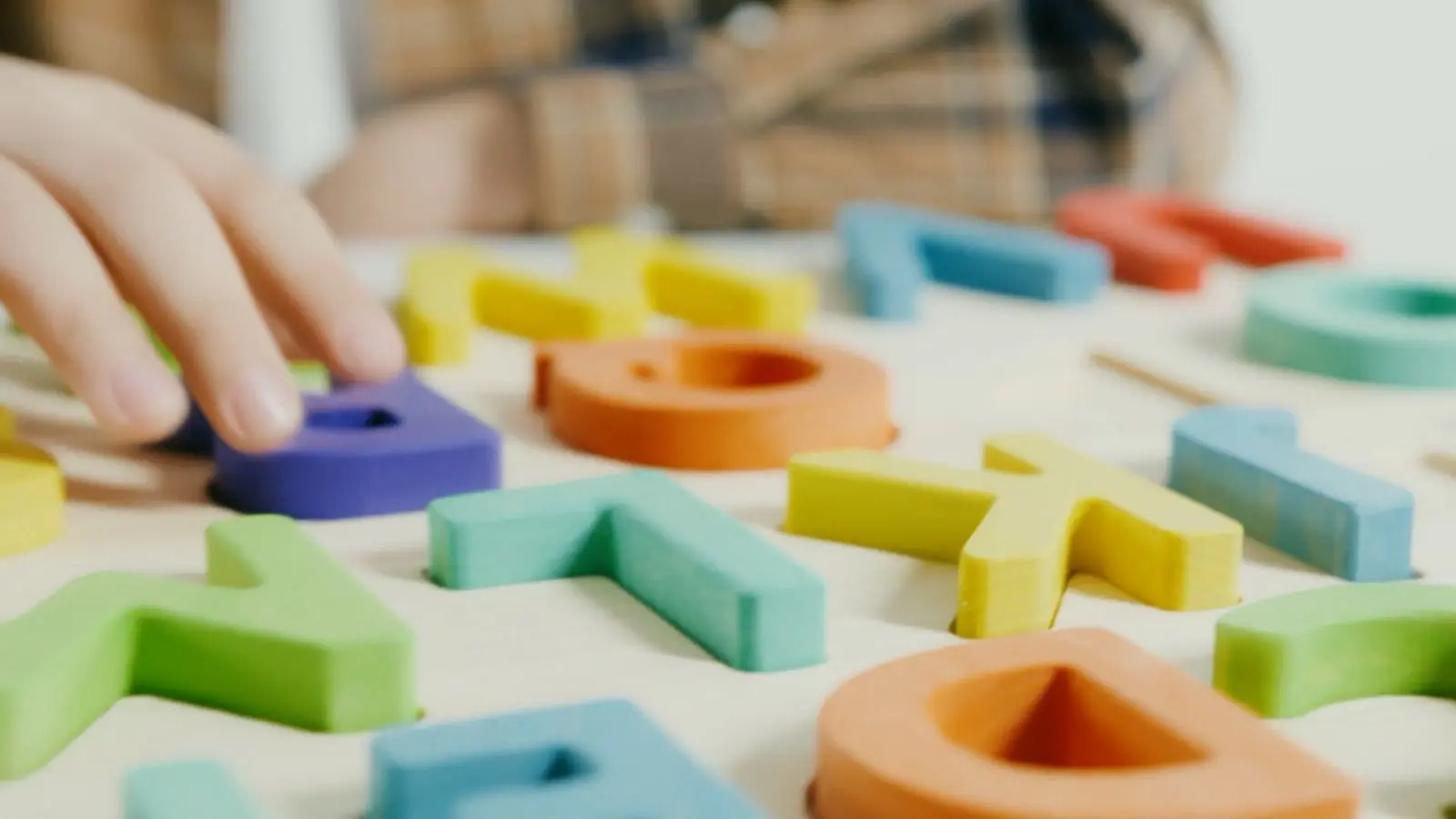
The next reflection of Rossetto is dedicated to the development of verbal communication in childhood and the possible plasters: “I’m making the variability that can happen in the children’s population, since there are also late speakers, the completion of the first year determines the acquisition of the first vocabulary: at 36 months you enter the school of childhood and is there that a child must be able to be understood and above all to understand; everything will depend on the development and quality of his eloquium, because there can also be cases of reduced vocabulary or in which a child understands everything but is little. Four years is the age in which a diagnosis of primary language disorder is made, through a conference of consensus with the Higher Institute of Health. When there is a disturbance or delay we have all the tools to define them: this is a work that is done with families and teachers, but the consensus conference is important precisely because they are public health documents based on research data. Four years is an important age, because it allows us to work in the two years that will then arrive at primary school, where from spoken language you go to that bed and that written. In the case of traumatic accidents, vascular problems or neurodegenerative diseases, we must act immediately to assess the effects on language: here we are in the area of acquired disorders and there are guidelines that clearly say that early intervention gives the possibility of recovery.”.
In Italy, the number of operating wearers is much lower than the European average: “In France there are 40 every 100 thousand inhabitants, here just 16. Every year in the various regions they graduate 850 logopaedists, this is still not enough: we hope to increase, because research gives the data on the effectiveness of our intervention and we must find answers as soon as possible, especially in a country where the population is becoming more and more senior”.
A field of particular interest, explains Rossetto, is what involves voice disorders and tools to come out of it: “We have created specific Masters, for the artistic voice for singers and actors and for the professional voice for teachers, speakers and in some cases even politicians: there is a specific competence for all voice specialists, who also intervene in children screaming or suffering from disphony.”.
Among the most significant verbal taboos, especially among children, there is the R moscia: for the president of the Fli, however, it must not in any way represent a stigma. “R is one of the last sounds that are learned, because it is very complex: it is very fast and produces a lot of vibrations on the tip of the tongue. I am of the idea that R moscia is not a pathology, but part of a primary disorder of language: I would not make a drama, but I would point out on the awareness that the sound exists for children and can be produced through games of phonologic contexts”.
– Photo screenshot taken from Top Medicine –
(ITALPRESS).