A legiollosis outbreak on Manhattan’s Upper East Side has caused at least 63 cases since early July. Forty-two people are already out of the hospital or did not need shelter, while 12 are still admitted. Nobody’s dead so far. The data, updated at the evening of 14 July, are still provisional and could change in the coming days.
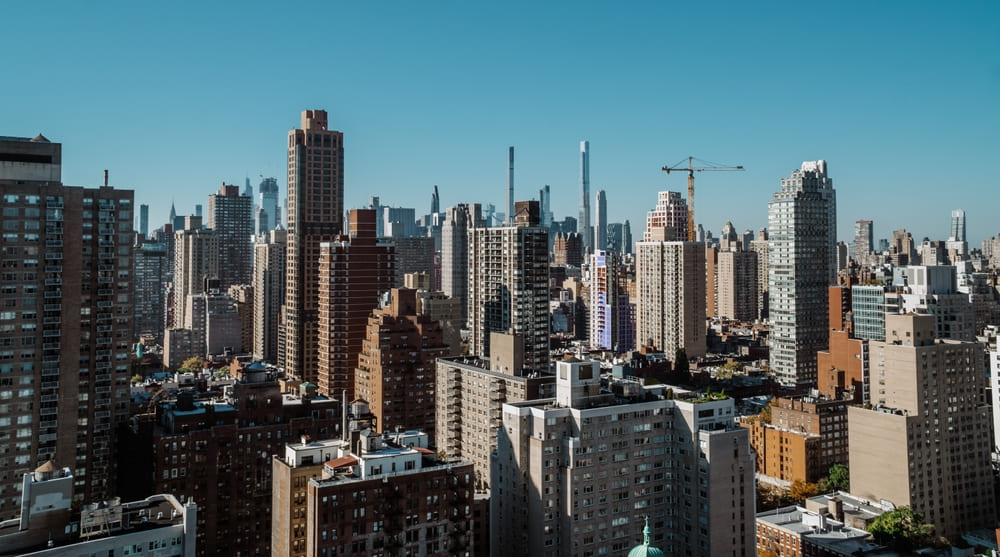
The cases are mainly concentrated in Carnegie Hill, Yorkville and in a part of Lenox Hill, in postal codes 10028, 10128 and 10075. The New York Health Department opened its investigation on July 2, after identifying two sick people who had attended the same area. In the following days the perimeter of the controls was expanded as new diagnosis arrived.
Investigators checked all 183 cooling towers in the area. The first analysis found traces of Legionella in the plants of 76 buildings, more than twice as much as 31 communicated a few days before. Fifty-seven had already completed cleaning and disinfection, while at the other 19 it was ordered to terminate the treatment by Thursday 16 July.
Among the positive results are the Metropolitan Museum of Art and the Guggenheim Museum, as well as condominiums, private schools, a church and a health facility. The Guggenheim has already disinfected its plant. The Met has started the reclamation and has canceled some activities planned on its normal closing day, specifying that the result does not involve a risk for those inside the museum.
The presence of the bacteria, however, does not show that one of these buildings is the origin of the focolare. Analyses used for first control, called PCRs, detect Legionella’s genetic material but do not allow to understand whether bacteria are alive or dead. To determine which towers contain bacteria capable of causing an infection, you need longer laboratory tests, which may take about two weeks. By precaution, the city ordered immediate disinfection without waiting for its outcome.
Cooling towers are often found on the roofs of large buildings and are part of some centralized air conditioning systems. They use water to disperse heat and release a very fine fog on the outside. If the water is hot, stagnates or is not treated properly, the Legionella can multiply and reach people through the droplets transported in the air.
This does not mean that drinking water in the neighborhood is contaminated. The Department of Health said that you can continue drinking tap water, cooking, showering and using home conditioners. Legionellosis does not normally pass from one person to another and is not diffused from the cold air produced by the appliances installed in the houses.
Legionellosis is a form of pneumonia that can cause fever, cough, muscle pain, headaches and difficulty breathing. Symptoms usually appear between two and fourteen days after exposure. The most risky people are those with more than 50 years of age, who smokes or vapas and who suffers from chronic diseases or has a weakened immune system. The disease is treated with antibiotics, but according to the CDC causes the death of about one person every ten of those who get sick.
The authorities have invited those who live, work or have been on the Upper East Side since the end of June to quickly contact a doctor in case of fever, cough or difficulty breathing. The number of new diagnoses seems to have begun to slow down, but other cases may still emerge due to the time between exposure, the appearance of symptoms and the result of analysis.
The most recent precedent dates back to the summer of 2025, when a outbreak in Central Harlem caused 118 cases, 92 hospitals and seven deaths. The investigation genetically linked the bacteria found in some patients with two cooling towers, one of the Harlem Hospital and the other in a nearby yard. After that, New York imposed the owners to control the presence of Legionella every 31 days during the operation of the plants, instead of every 90. The new rules came into force on 8 May, less than two months before the current outbreak.
The source of counters on the Upper East Side remains the main question of the survey. The city will have to compare the samples taken from patients with those of the towers proved positive. Only that comparison can determine whether one or more plants have spread the bacteria in the neighborhood and whether the rules introduced after the Harlem outbreak have been correctly applied.
L’articolo Legionellosis focolaio in Manhattan’s Upper East Side proviene da IlNewyorkese.