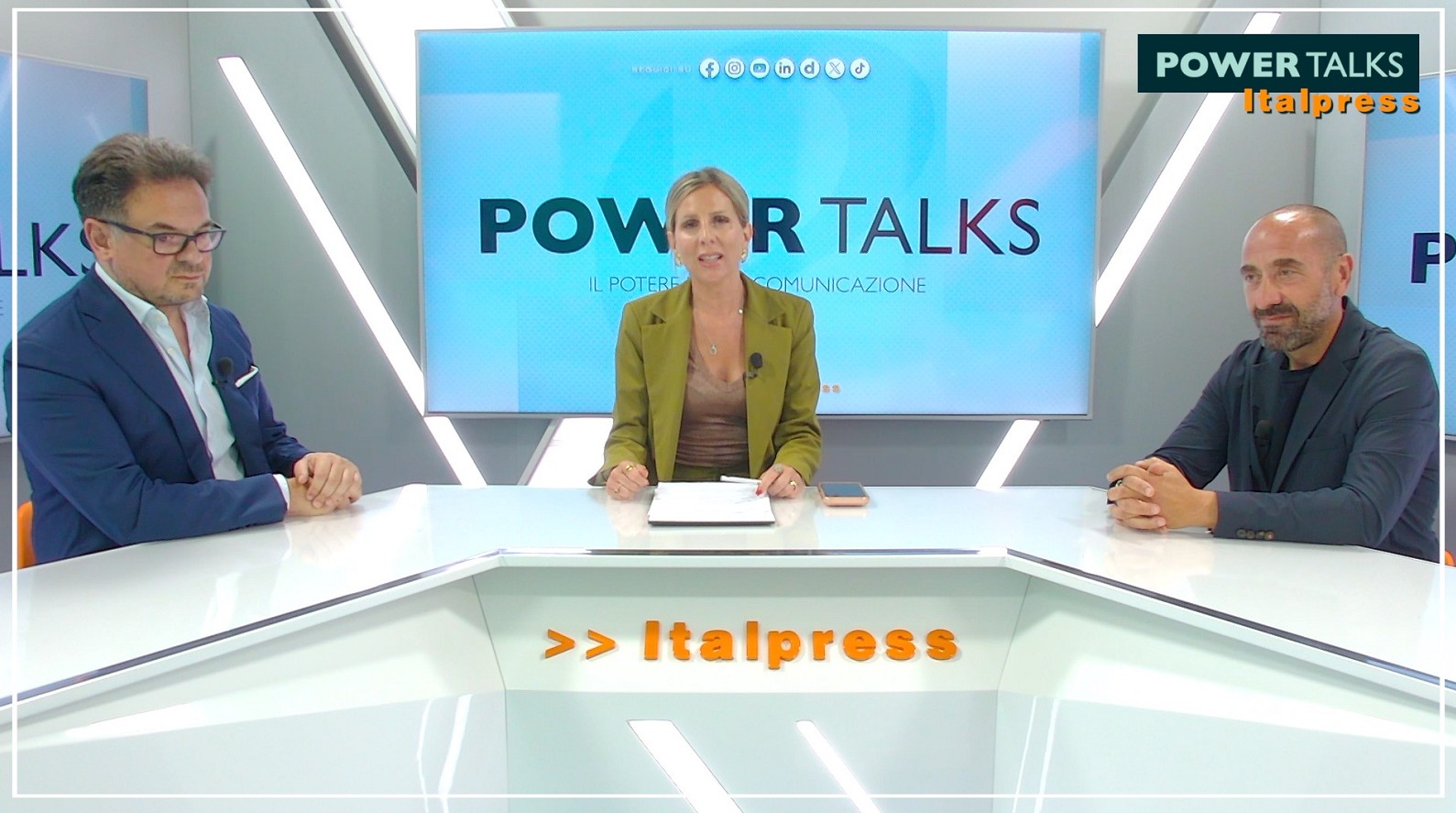
ROMA (ITALPRESS) – The pharmacy has changed profoundly in recent years, transforming itself from a place dedicated mainly to the delivery of medicines to an increasingly oriented proximity to services, prevention and direct relationship with the citizen. In the seventeenth episode of “Power Talks – The Power of Communication”, editorial format born from the collaboration between Italpress and Philia Associates, Jessica Nicolini interviews Arturo Saggese, commercialist doctor of MAK Consulting, and Lorenzo Smerieri, business consultant of MAK Consulting, just to tell how the role of the pharmacy has evolved and how to communicate is changed competence: yet between digital tools and artificial intelligence, the trust remains central “The pharmacy has changed a lot in these years – admits Smerieri – while before it was mainly perceived as a place of supply of the drug, now it has become a place of advice in many sectors, from dermocosmesi to natural, up to a series of services where the customer is aimed to have a first support and not only under the pharmaceutical aspect”. An evolution that also involved the structure and organization of the pharmacy, increasingly oriented to a wide range and a role closer to the needs of people. “The pharmacy is the closest and most present health care station on the territory – says Saggese – as demonstrated also during the pandemic period, when it represented a fundamental institution of the Italian social fabric.”To change was also the way to communicate. “Today we don’t talk only about drugs – Saggese points out – but also about the provision of services in pharmacy, where the client-patient manages to find a more prompt and immediate response to their needs.” In this scenario, more and more people arrive after consulting search engines or artificial intelligence tools. “The customer arrives with what is a higher preparation for him than the past – says Smerieri – because he has read online information or received suggestions. The pharmacist, however, has been able to transform this change into an opportunity, offering the added value of the advice of a prepared professional, with a competence that a technology cannot replace.” The true distinctive element remains the relationship of trust with the pharmacist. “The pharmacist was born as a professional figure and evolves as an entrepreneurial figure – Saggese explains – and this double dimension contributes to creating greater trust and a stronger relationship with the user.” A particularly obvious aspect in neighborhood pharmacies and small centers, where the pharmacist often represents a daily point of reference. Tools such as social networks and WhatsApp are also entering more and more in communication management. “They must not only be used for a commercial purpose – specific to Saggese – but to improve the availability of the service, facilitate the relationship with the patient and strengthen the interpersonal relationship”. The pandemic has accelerated this transformation. “The pharmacy was a key element during the Covid emergency – remembers Smerieri – because it was often the first contact point between the patient and the healthcare system. Today we don’t talk only about pharmacy client, but patient pharmacy.” For the future, the challenge will continue to innovate without losing the link with the territory. “The aggregation between private individuals will be a fundamental weapon – says Smerieri – because it will allow independent pharmacies to better face an increasingly competitive market, but maintaining the direct relationship and trust with the citizen”. An important role will also be entrusted to communication. “The pharmacy must be able to express effectively the professionalism of the pharmacist and the role of proximity thatit carries out – concludes Saggese – because today more than ever the value of the pharmacy is in the ability to be close to people”.
(ITALPRESS).