ROMA (ITALPRESS) – Ensuring continuity to infrastructure investments after the conclusion of the National Resumption and Resilience Plan, accelerate the energy and environmental transition and strengthen the competitiveness of the country through a more stable regulatory framework, more slender authorisation procedures and innovative financial instruments. These were the themes at the center of the General Assembly of Utilitalia “The utilities beyond the PNRR”, which brought together enterprises, institutions and stakeholders to Rome.
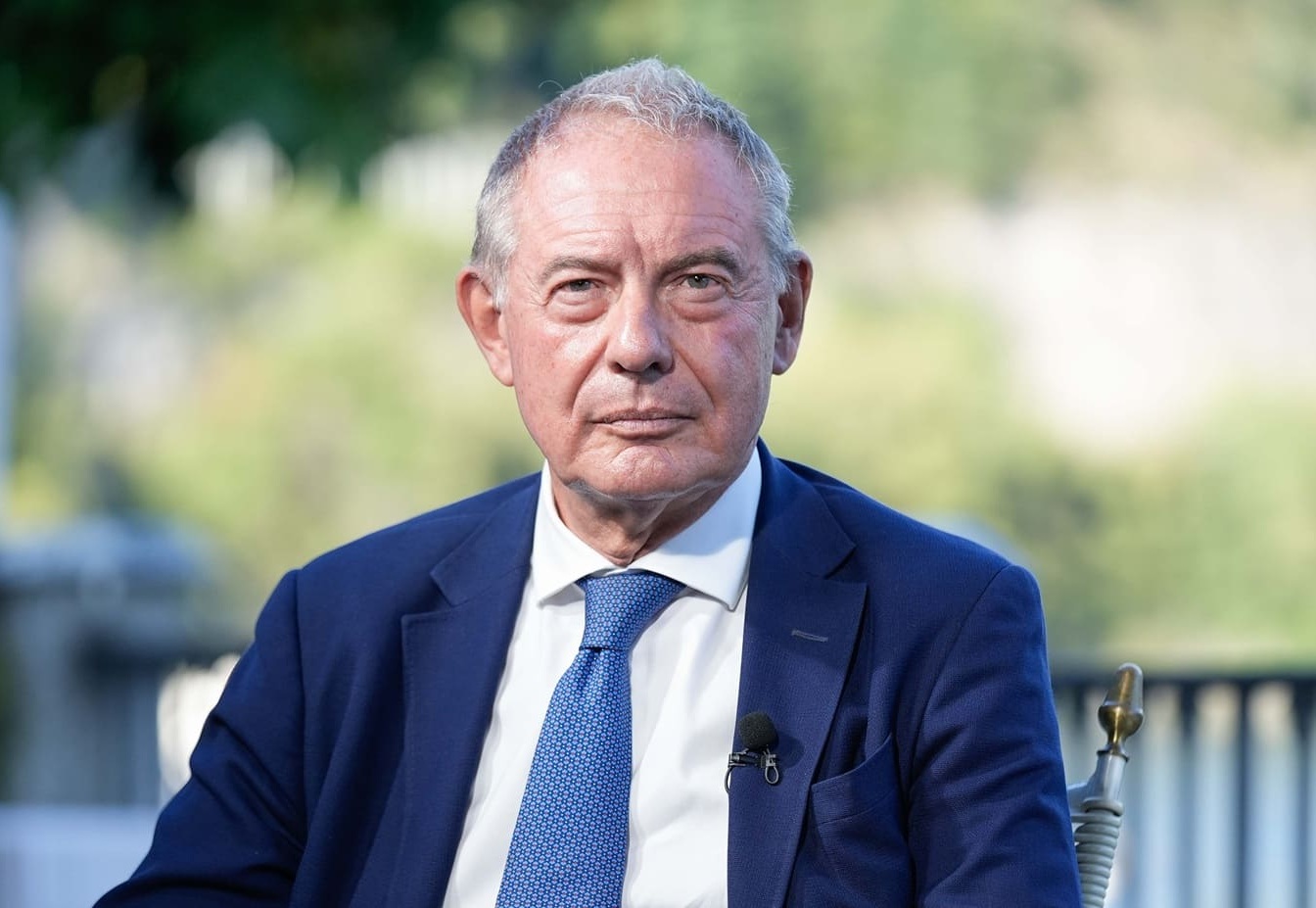
“I would like to recall that with the FSCs and other instruments available, significant investment commitments are maintained through multiannual programming. There are no stringent times that had the PNRR, but it was also a great test, I would say almost educational, for the entire national system at all levels, at least in the respect of deadlines. However, investments are certainly maintained. There is then another evaluation to be made: on the infrastructure front, also thanks to the maturation of the utility sector, we must be able to realize operations of greater size and use more credit, providing of course the relative reimbursement in the long term”, said Gilberto Pichetto Fratin, Minister of the Environment and Energy Security.
According to the analysis of the Federation, the need for investments in the water, environmental and energy sectors amounts to approximately 19,5 billion euros per year – of which 6 billion for the water sector, 2 billion for the waste sector and 11,5 billion for the energy sector – equal to an order of approximately 75-80 billion euros on the post-PNRR horizon up to 2030. These are indispensable resources to accompany the transformation and development of local public services, supporting the investments necessary to address the challenges of the energy and environmental transition and to ensure increasingly modern, efficient and resilient infrastructure.
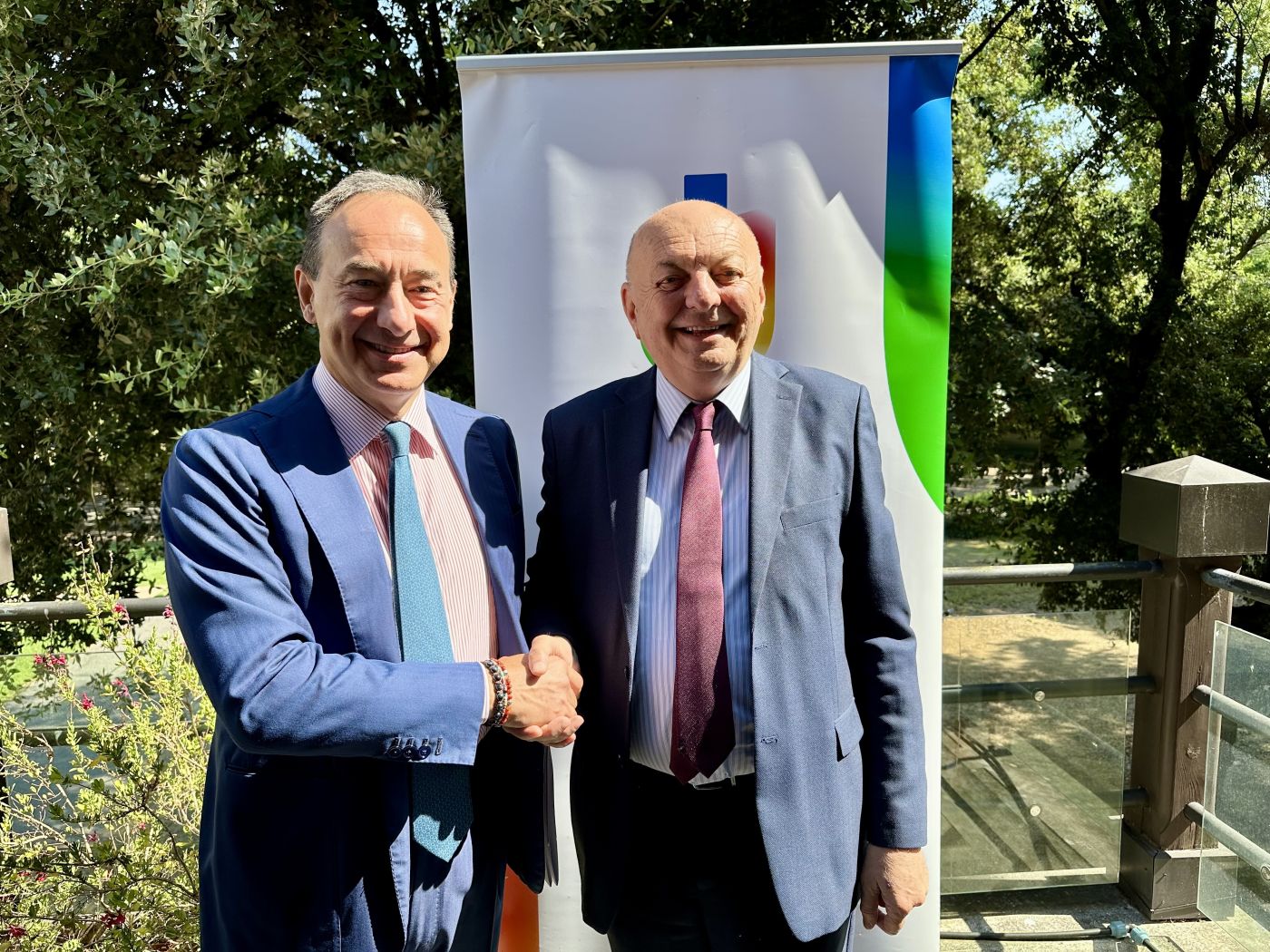
“The small, medium and large utilities have realized investments, open yards, finished jobs and made so that the resources of the PNRR were used effectively on the territory. This is a model of project management that the country needs,” said Luca Dal Fabbro, president of Utilitalia. “We have different high-efficiency contracting stations and one of them is represented by utilities, large, medium and small. It is therefore a wealth – he added -. This wealth should not be lost, but directed towards what is needed to the country. In this context we ask for additional investments, funded through guaranteed instruments such as Basket Bonds, to allow especially the Centre-South to bridge the infrastructural gap that today separates it from the North. We put on the table a tool that does not require additional resources from the State or new public debt. Ours is a practical and intelligent proposal, which allows us to combine on the one hand the need to cover investments of approximately 19.5 billion euros per year in the fields of energy, waste and water and, on the other, to give the utilities the possibility to realize new investments, essential and vital for the country”.
At national level, the utility sector generates approximately 37 billion euros of added value and employs over 330 thousand employees. The continuity of post-PNRR investment can therefore help to activate industrial planters, support qualified employment, strengthen the resilience of infrastructure and improve the competitiveness of the territories and the national productive system.
“The challenge for Europe and Italy is to go beyond the PNRR and ensure continuity of investment through cohesion policy,” said the Executive Vice-President of the European Commission, Raffaele Fitto, intervening with a video message. Fitto has remembered that the PNRR has accelerated the modernization of the Country, mobilizing in Italy more than 24 billion euros per water cycle, circular economy, waste management, energy, networks and renewable sources. However, he pointed out that the Plan cannot be a structural and definitive response to the growing infrastructure needs. For this reason, he explained, the European Commission has allowed the strategic projects initiated with the PNRR to be transferred within the framework of cohesion policy, which are likely not to be completed within the expected deadlines. With the mid-term review of cohesion policy, almost €35 billion has been relocated to strategic objectives, of which more than 7 billion in Italy.
Looking at the next multiannual financial framework, Fitto explained that cohesion policy will continue to represent “one of the pillars of European action but will have to evolve and modernize, becoming more adequate, more flexible, easier in its application and more oriented to results”. In this path, the Executive Vice-President concluded, “the utilities represent a fundamental partner: their ability to plan, invest and innovate will be decisive to build a Europe closer to the needs of communities.”.
– Photo xc7/Italpress –
(ITALPRESS).