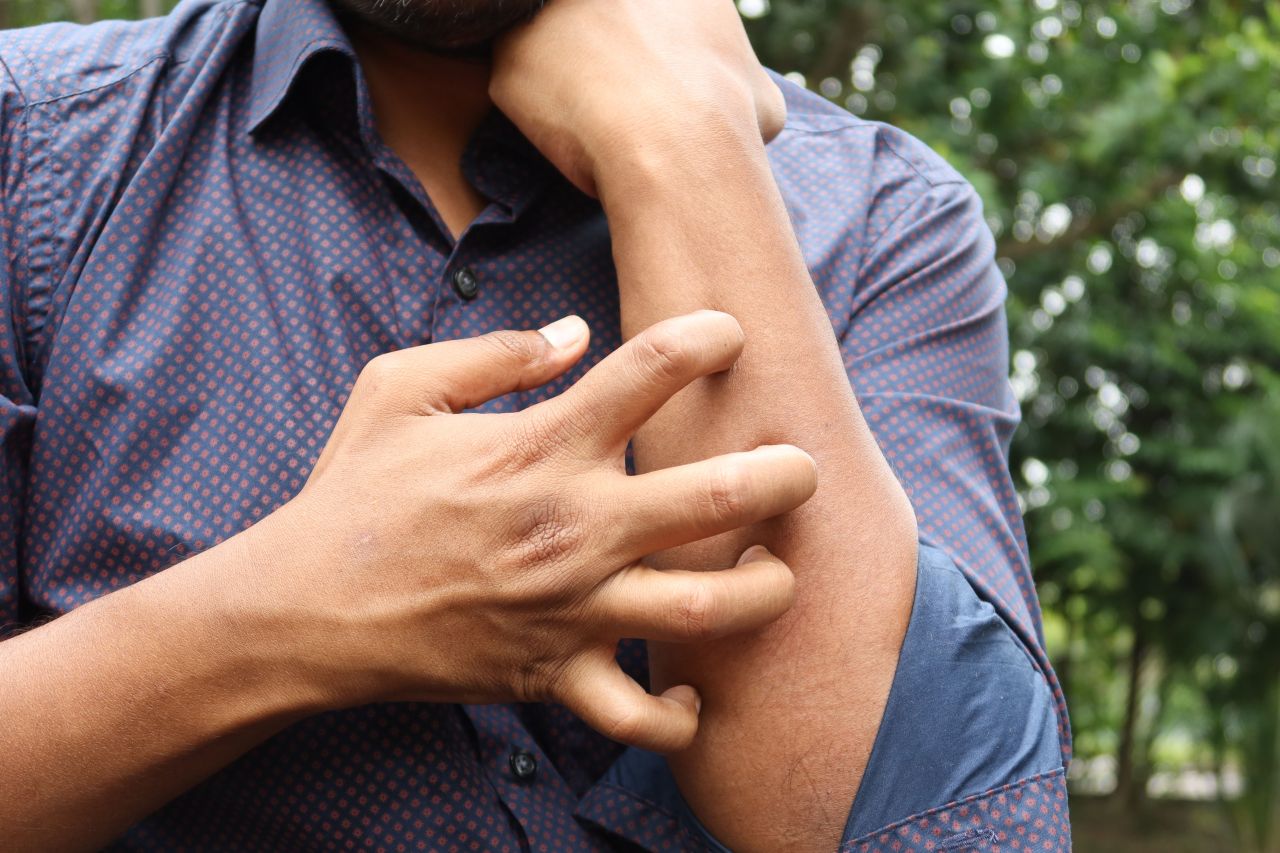
ROMA (ITALPRESS) – Prurito, pomfi on the skin and an unpredictable course: over 190.000 thousand Italians live with spontaneous chronic urticaria (CSU) in its moderate and severe forms, an inflammatory disease of autoimmune origin, which affects women with a double frequency compared to men and manifests between 20 and 40 years. CSU weighs on the quality of life of patients, who live sleeping disorders, experience anxiety and depression, face daily obstacles in work and sociality. To unveil the hidden costs of CSU is the Italian study published in the international scientific journal Global & Regional Health Technology Assessment, which involved 122 patients, of which over 70% with a severe form of disease and an average age of about 46 years. The analysis involved economists, together with the ARC (ARCO) and Novartis, a leading company in innovation in the pharmaceutical sector, working alongside all actors in the country system to give new answers to those who live with complex diseases, such as immunological ones. The results reveal that every year the indirect costs of CSU reach on average 4,200 euros per patient and for the most serious forms arrive at 5,200 euros, due largely to the loss of working days (50%) and reduced productivity (63%) due to the debilitating symptoms of CSU. “The spontaneous chronic hive is characterized by the appearance, for over 6 weeks, of pruriginous pomphs, angioedema – deep swelling – or both, without known external causes. Most of the time it has an autoimmune origin and can last on average 3-4 years, in some cases even decades, with remission periods followed by sudden relapses. – explains Professor Eustachio Nettis, director of the University Allergological Clinic – Regional Reference Centre – of the Bari Polyclinic and member of the SIAAIC Board (Italian Society of Allergology, Asthma and Clinical Immunology) – For its characteristics, the disease has a significant psycho-physical impact, also due to its unpredictableness”. According to the survey in the first year from the diagnosis, almost 17% of patients had on average 1,6 hospital shelters, about 8 out of 10 patients had carried out on average 2,4 accesses to the first aid and 3 specialist visits during the year, demonstrating the weight of the disease in terms of use to health services, with a direct average annual cost of approximately 1,900 euros per patient born of the SSN. “ From sleep quality to working life, to social relations, the weight of spontaneous chronic hives is often invisible and largely underestimated – says Elena Radaelli, President of ARCO, Research and Care Association -. The publication in a prestigious international scientific journal of the Italian study, to which we have contributed as an Association, represents an important recognition and, above all, offers a concrete measure of the impact that the CSU has not only on the lives of the people who are affected, but also on society as a whole. I hope that this data will help to increase awareness on a pathology that is still too often underrated and to promote greater attention to the needs of patients, who still today, in many cases, encounter difficulties in finding timely and adequate answers.” To contribute to the socio-economic impact of the CSU are also the costs borne by patients, which according to the study amount to an average expenditure of approximately 500 euros, between visits and examinations, drugs and other costs associated with pcare course. An economic burden that is added to that absorbed by the National Health Service. The survey saw the participation of economists experts, including Dr. Chiara Bini, principal author of the scientific publication and researcher at CEIS-EEHTA, Faculty of Economics, University of Rome Tor Vergata, who comments: “In the face of a debilitating and often underestimated disease as spontaneous chronic hives become a priority to analyse the spending that directly affects patients and the whole community, to fully understand the real social and economic impact we face. This study found how much CSU is a social challenge that deserves attention and commitment, for the benefit of patients and all society.” With this study, Novartis has contributed to analyzing the Italian reality of spontaneous chronic urticaria in the context of its social and economic impact – explains Roberta Rondena, Country Value & Access Head of Novartis Italia – This data is a basis of fundamental evidence to understand the real load of the disease and to guide decisions and interventions for the purpose of access to the most appropriate, timely and fair care. The hope is that they can foster a shared path among all stakeholders, aimed at reducing the weight of the disease and effectively improving the quality of life of people. Information on spontaneous chronic urticaria The spontaneous chronic urticaria is a chronic skin disease that affects about 40 million people in the world, with an almost double frequency in women compared to men, and is more often manifested between 20 and 40 years. It is characterized by the sudden appearance of pruriginous puffs and/or swelling of the deep tissues, which can affect face, throat, hands and feet and arise in the absence of an allergen or an identifiable external triggering factor. Symptoms last six weeks or more and cause a significant physical and emotional impact. Most patients suffer from sleep deprivation, with high rates of mental disorders such as anxiety or depression, as well as a reduction in work productivity.
– Photo source www.Pexels.com –(ITALPRESS).