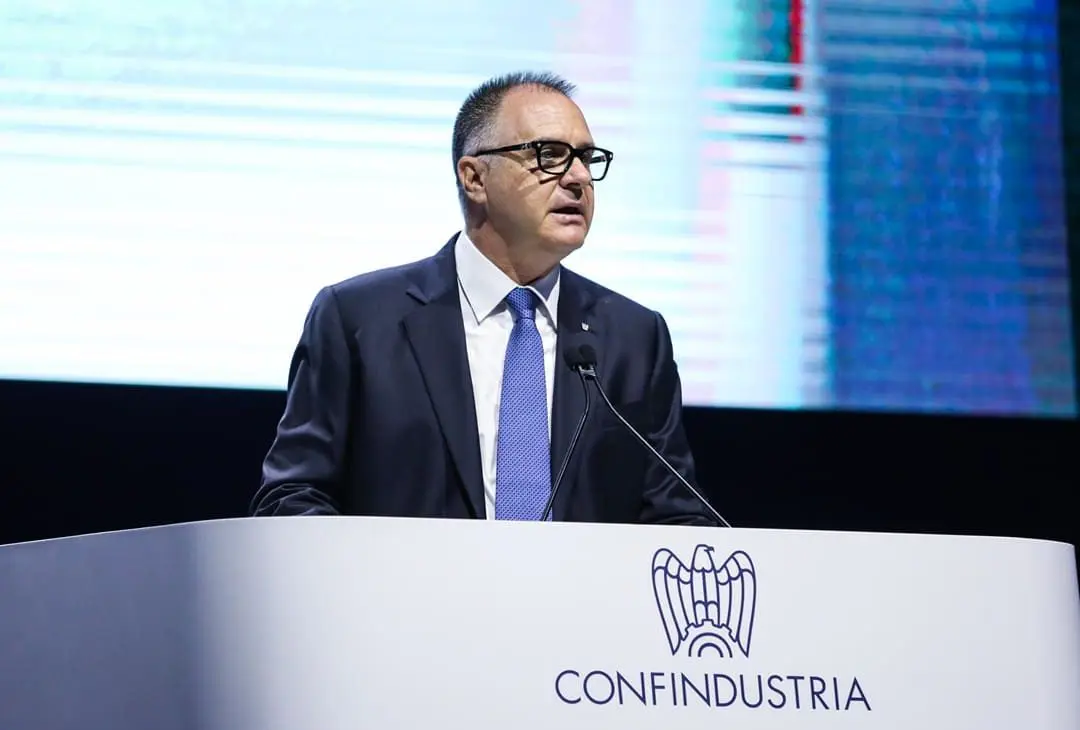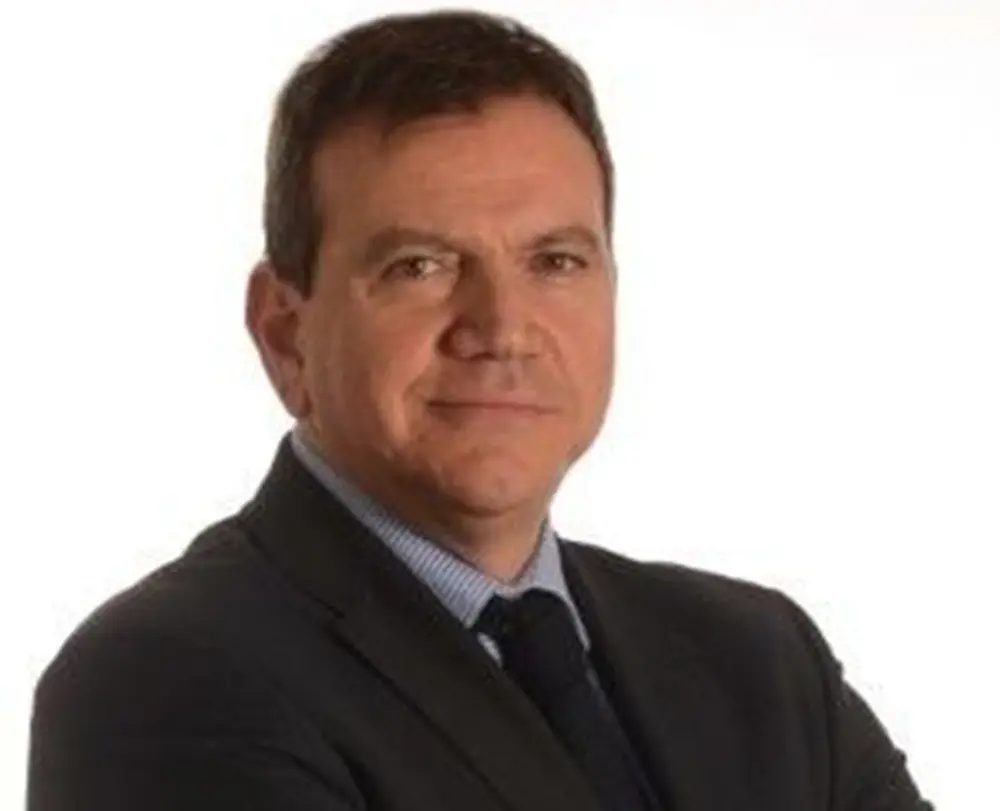
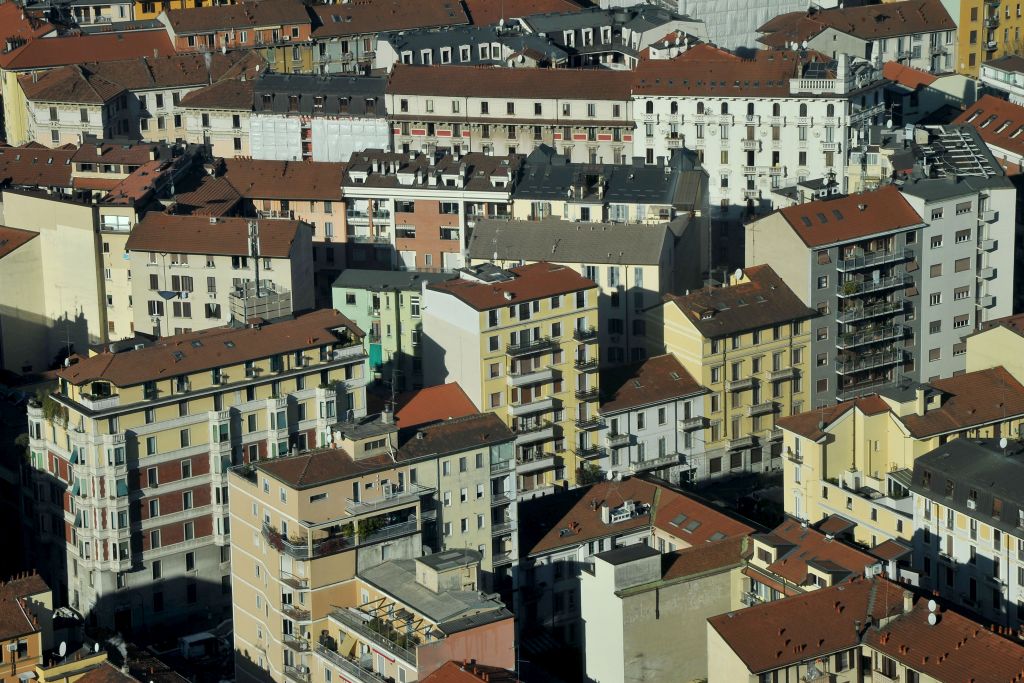
CATANZARO (ITALPRESS) – “On June 16 the real estate owners will be again called to the cashier for the payment of the Imu deposit. The deadline is for second homes, located buildings, buildings, shops, offices, sheds, building areas and, in general, all properties other than the main non-luxury residence”. He says so in a note Sandro Scoppa, president of Conf Construction Calabria. “The deposit, on an ordinary basis, is equal to 50 percent of the tax due, calculated on the basis of the rates of the previous year; the balance will come then on December 16, with any adjustment according to the definitive rates deliberated by the Municipalities – continues -. Beyond technical requirements, the next deadline requires a clearer reflection. This tax is an ordinary asset disguised as a local tax: it does not affect an income, but the simple ownership of a good. The empty apartment, the room without conductor, the fixed commercial property, the building area still devoid of any real project are however called to the case. No matter they produce value or generate revenue. As long as they exist in the cathartic registers because state and municipalities demand their annual quota. The result is an overthrown proprietary conception: formally the good belongs to the citizen, fiscally remains always exposed to the claim of public power”.
“Exceptions and reductions do not change the substance of Imu: the property remains a permanent taxable basis. The house, the store, the land, the shed are not privileges to be expiare, rather they represent goods born from work, saving, risk, family heritage and maintenance. Hitting them every year means punishing those who conserve value, discourage investment and make more fragile what should give security – emphasizes the president of Conf building Calabria -. The result is a short circuit. Invoking houses for rent, urban recovery, open shops and maintained properties. Then you tax who should make them possible. Imu subtracts resources from maintenance, restructuring and standardization; it makes it more expensive to keep a property on the market; it also weighs when the property does not produce income. So politics denounces degradation, but it weakens those who could oppose it. The deadline of 16 June is therefore not a simple tax appointment. It is the signal of a sick relationship between public power and private property. The State formally recognizes the right, but then consumes it with recurrent taxes, constraints and suspicions. An owner forced every year to pay for the only fact of owning is not fully free: he remains exposed to a continuous public claim. Where the property becomes fiscally precarious, even the independence of the citizen backwards.”.
“That’s not enough to ask for some correction. The setting must be reversed. The property should not be treated as a permanent tax fault. Those who own, conserve, rent, invest and maintain should not be looked at as a subject to be squeezed, but as an essential part of the widespread wealth of the country. Less Imu means more resources for properties, more trust, more offer, more private responsibility, more concrete freedom. The property should not be placed every year at the cashier as if it belonged ultimately to the store. It belongs to the citizens. And a state that forgets it does not only tax the goods: it restricts the space of freedom,” concludes Scoppa.
-Photo IPA Agency-
(ITALPRESS).