ROMA (ITALPRESS) – It is the new frontier of robotic and mini-nvasive surgery and concerns the treatment of rare tumors and, in some cases, very invasive and difficult to treat, such as the mesenchymal ones of abdomen and pelvis. “These tumors – explains Professor Fabio Pacelli, Ordinary of General Surgery, Catholic University of the Sacred Heart and Director of the UOC of Peritone Surgery and Retroperitone of University Polyclinic Foundation A. IRCCS Gemini – are a heterogeneous group of rare neoplasms, which includes retroperitoneal sarcoms, the GISTs (gaintestinal stromal tumors) Their incidence is estimated between 1 and 5 new cases every 100,000 inhabitants per year. And precisely for their rarity and complexity, they require a highly specialized and multidisciplinary approach.” In recent years, the evolution of diagnostic techniques, the introduction of increasingly selective target therapies and the development of advanced surgical strategies have profoundly transformed the therapeutic approach to these neoplasms and treatment outcomes. “These innovations – Pacelli continues – open the way to new perspectives in terms of oncological radicality, organ preservation and quality of life. The optimal management of these diseases is closely linked to a dedicated diagnostic-therapeutic path, since the pre-operative phase. This includes an accurate histopathological and molecular characterization, but also through the increasing use of innovative diagnostic-therapeutic tools such as radiomy, artificial intelligence applied to imaging and robotic techniques.”.
Of particular importance is the use of robotic techniques in the treatment of these diseases. “Using well-coded indications, relating to the seat, size and histological type of the tumor, some of these rare tumors can benefit, contrary to what was thought until recently, of the benefits of mini-invasive and robotic surgery. Advantages related to both technical and surgical aspects, and oncological aspects. The three-dimensional, immersive and magnificent vision allows for greater precision in the dissection of delicate structures, such as blood vessels and nerves, allowing even better control of surgical margins. To these ‘technical’ benefits, we naturally add those for the patient: a faster postoperative course, less pain and a better aesthetic result.” In retroperitoneal sarcomas, robotics can be applied mainly to a selected subpopulation, particularly in solitary fibrous heromyosarcomas and tumors, representing about 20% of the total. As for GISTs and tumors of nervous sheaths, this percentage can reach up to 50%.
“The Gemelli Polyclinic Foundation – IRCSS is carrying out a broad program aimed at increasing the use of robotic surgery in the oncological field – says Professor Sergio Alfieri, Ordinary of General Surgery at the Catholic University of the Sacred Heart and Director of the Department of Medical Sciences and Surgery of University Polyclinic Foundation A. Gemelli IRCCS -. In short, we will put into operation three other robotic platforms, which will be added to the five already operating. For some pathologies, such as pancreatic tumors, in 2025 the application of robotic surgery involved almost totality (85%) of the cases treated. The aim is now to extend the use of the robotic platform also to some rare diseases, always in the context of appropriate indications and highly specialized paths. ”
A goal that is also pursued thanks to the collaboration with the other operating realities present within the Gemelli Polyclinic, such as Vascular Surgery and Neurosurgical, directed respectively by Professor Yamume Tshomba and Professor Alessio Albanese. “In this context – says Dr. Claudio Lodoli, Director of I level of the UOC of Surgery of Peritone and Retroperitoneo, Fondazione Policlinico Universitario A. Gemelli IRCCS – particularly innovative is the possibility to directly apply the techniques of neuro – intraoperative monitoring, commonly used to assess the involvement of the nervous structures and therefore to preserve, where possible, the function.” “The Sarcomi Centre of the Fondazione Policlinico A. Gemelli IRCSS represents an emerging reality, but already well placed at national level, in the treatment of these rare diseases – says Professor Fabio Pacelli -. In this area, in addition to technological evolution, a fundamental role is played by multidisciplinary groups of study, the so-called tumor boards, which gather weekly according to the modalities established by the Comprehensive Cancer Center of Fondazione Policlinico Gemelli – IRCSS”. The Gemelli Polyclinic treats more than 64,000 people each year with tumor pathologies, imposing itself as one of the main national reference realities in this field. “Our ambition – says Pacelli – is to become the UOC of Chirurgia del Peritoneo and Retroperitoneo, a high volume center, also for rare diseases. A goal that passes through the centralization of patients, the multidisciplinary nature and the use of the best technologies available. The ultimate goal is to offer ever more personalized, effective and safe care to our patients.”.
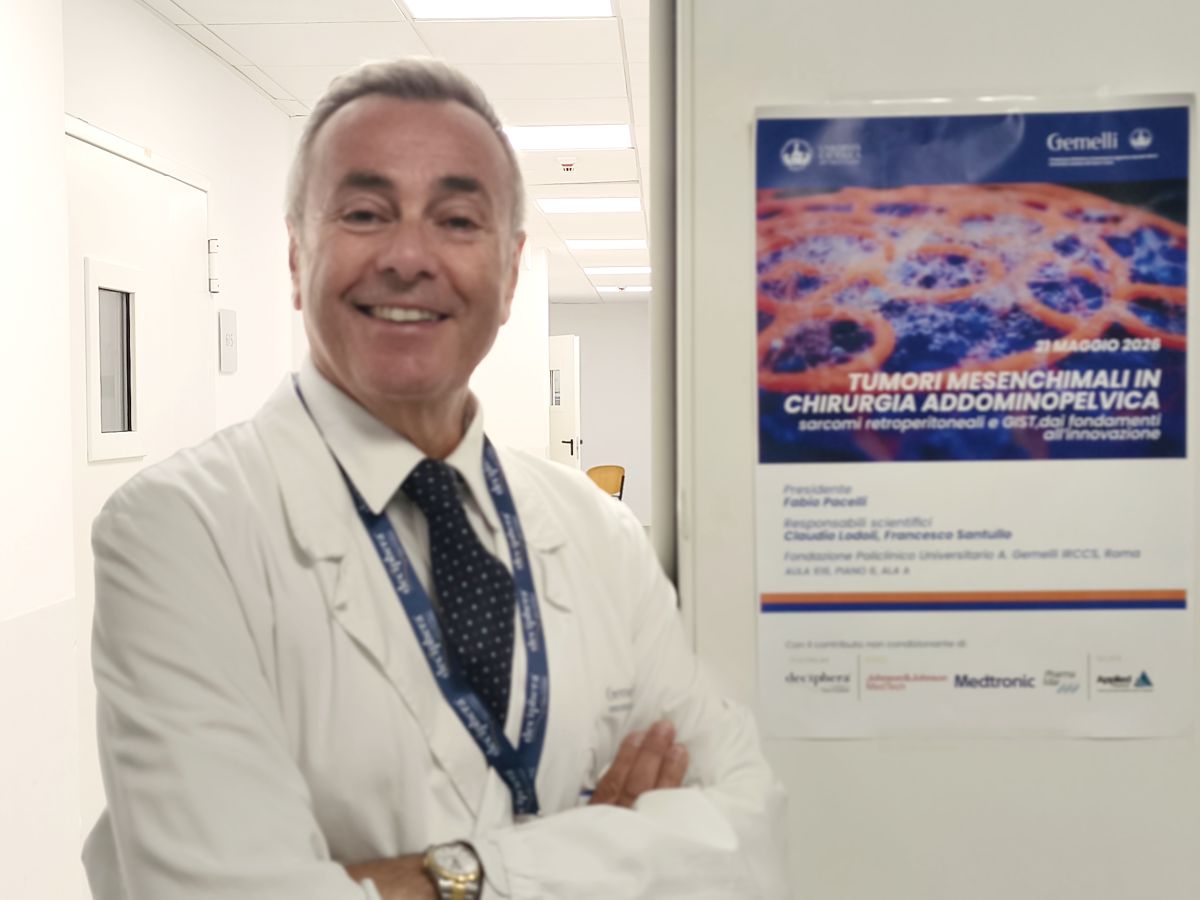
– photo press office Catholic University of the Sacred Heart –
(ITALPRESS).