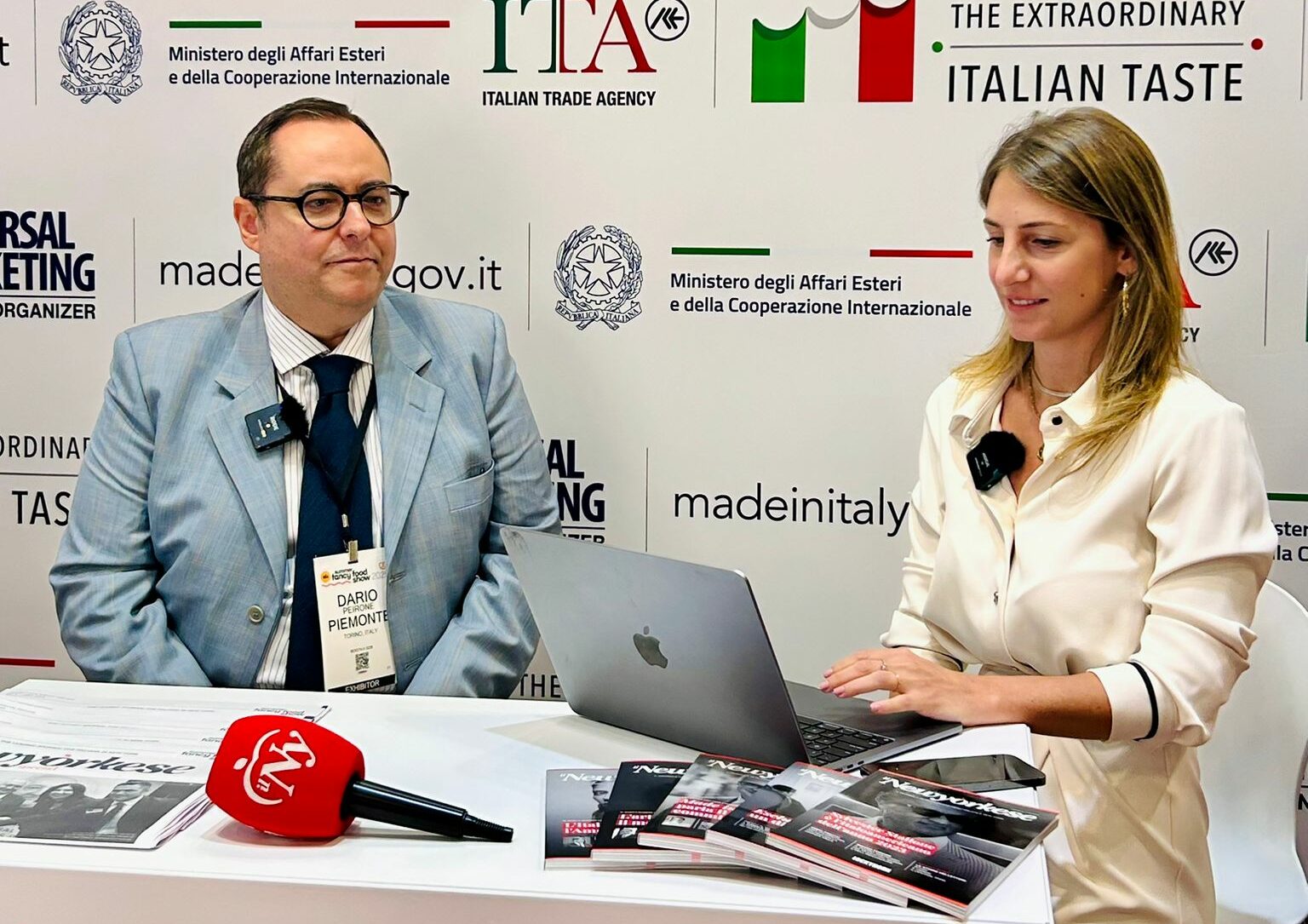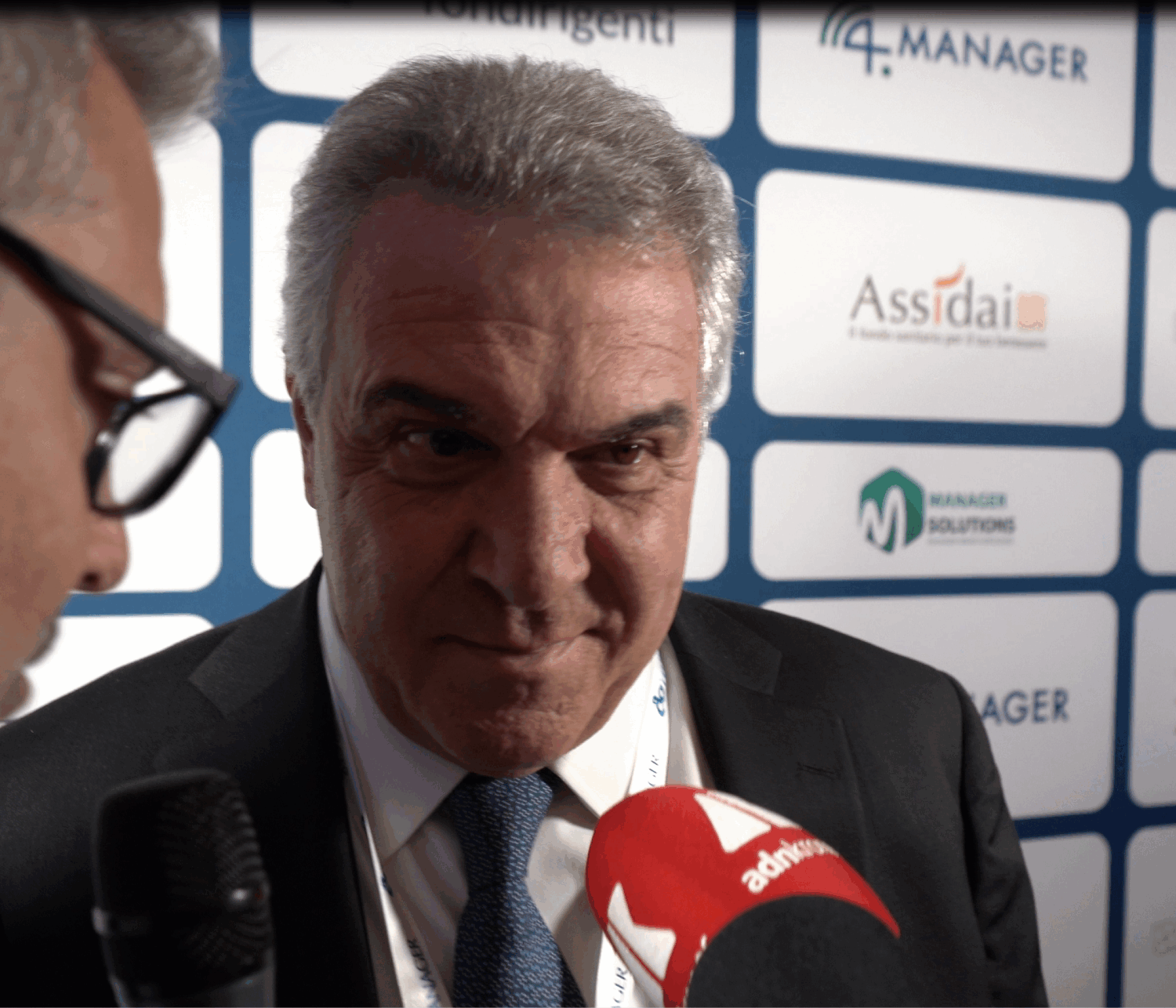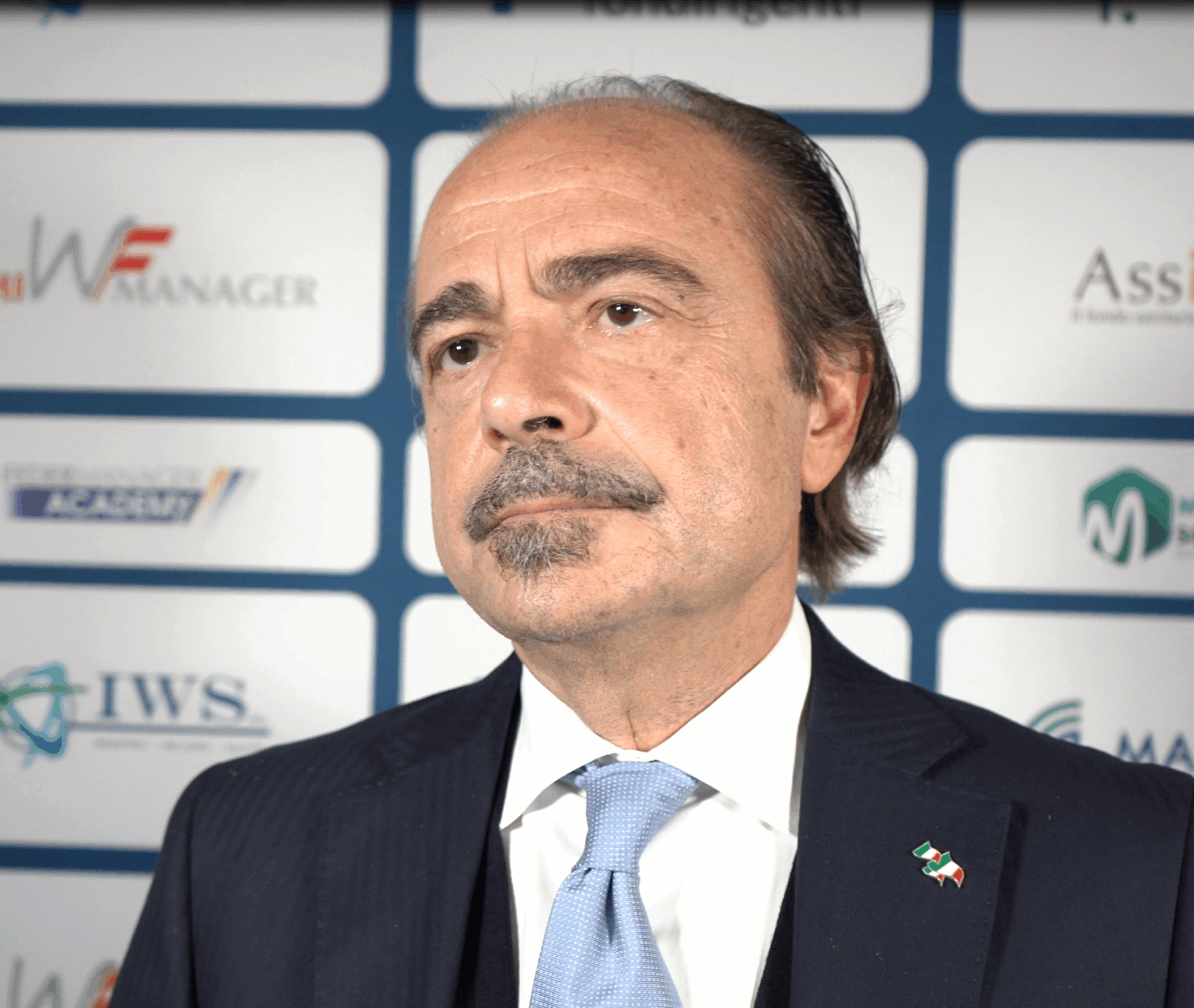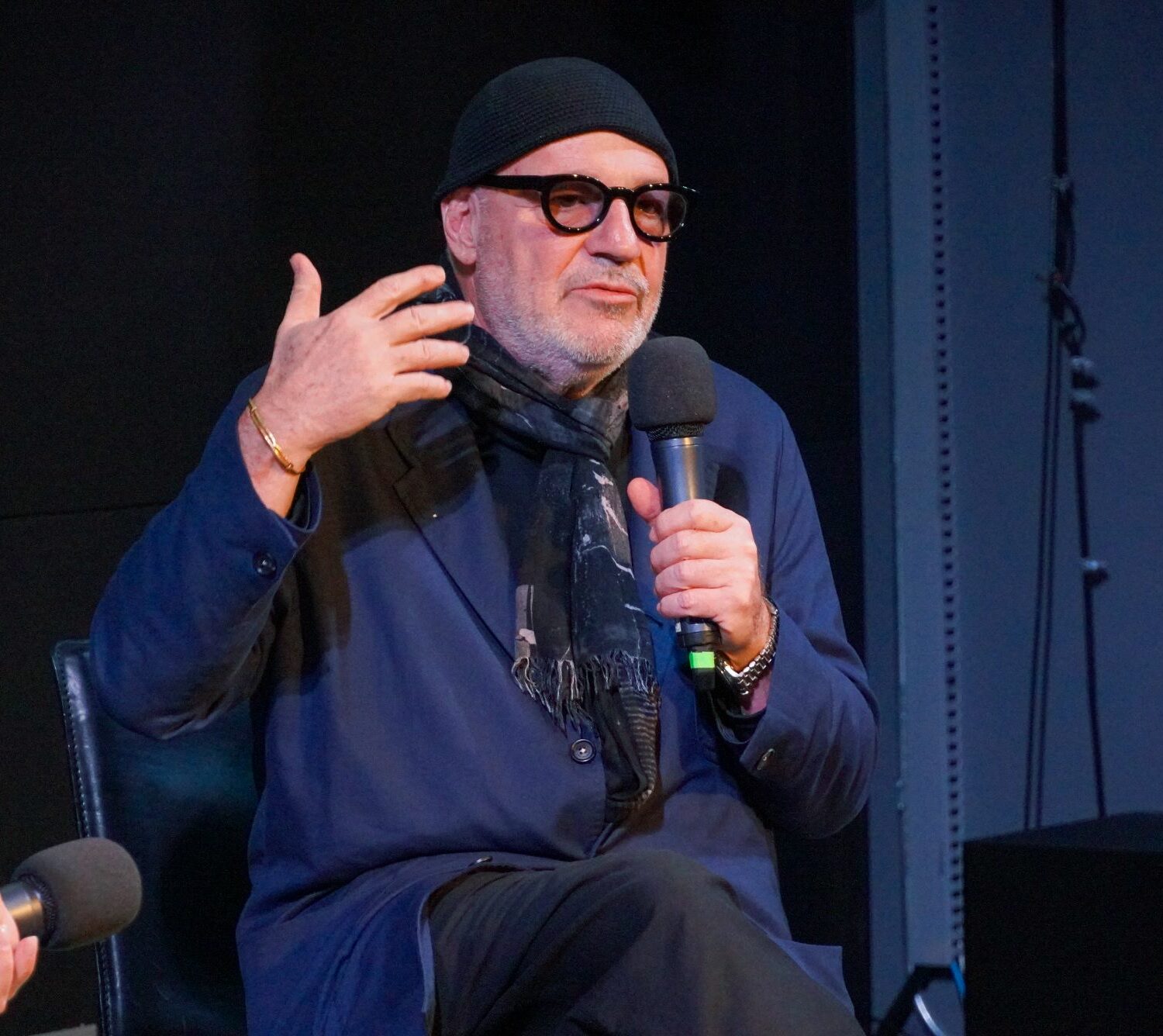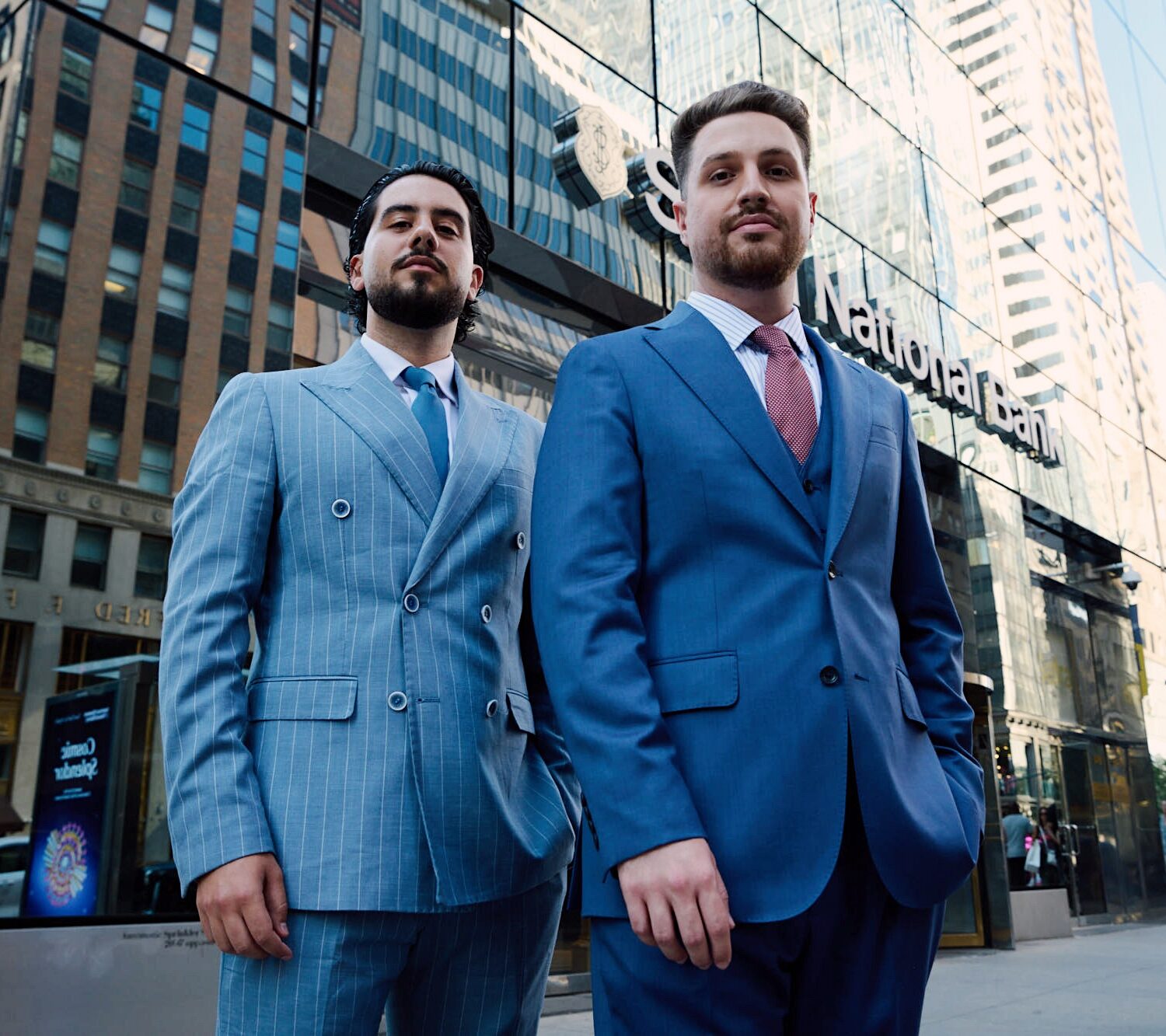
Giovanni Orlando Conti and Rosario Bona arrived in the United States in 2021, with a bachelor’s degree in pocket and the goal of exercising the legal profession in one of the most complex and competitive systems in the world. After a master’s degree at Fordham University and an internship in Aidala, Bertuna & Kamins, they entered the forensic activity between media processes, civil and commercial disputes, and international cases.
In this long conversation they tell their path, the challenges of the American judicial system, the direct experience with customers like Harvey Weinstein and 50 Cent, and the passionate defense of intellectual property in the entertainment world. With a special focus on an open case against Drake for copyright infringement: a case that crosses three continents and still raises crucial questions starting from the 1990s on the relationship between hip-hop, rights and music industry.
Work at Aidala, Bertuna & Kamins. How did your experience begin there?
Rosario Bona: We arrived here in New York in 2021. We were both accepted at Fordham University School of Law, where we did a master’s degree in law, here it is called LLM. The master lasts about a year and a half, and we focused on two areas: the International Business and Trade Law and the Intellectual Property Law, because Fordham gives the opportunity to specialize in multiple areas.
Once graduates, in 2022 we supported the advocacy exam. Already during the studies at Fordham and then after the exam, we started working in the study Aidala, Bertuna & Kamins. Since then we have remained as lawyers associated with the firm.
Giovanni Orlando Conti: At first we met the managing partner, Arthur Aidala, celeberrimo for his defensive arrangements in criminal matters and the blason of his clients accused of criminal conduct. As for us, we did not have the idea to devote ourselves to criminal law: it was an opportunity for networking. Arthur’s family is native to a country in the province of Palermo and a few kilometers from Misilmeri, my country of origin – Given the excellent pretext to break the ice, we felt obliged to know it.
One day he told us: “Next week I organize a networking event in a private club whose president I am. Why don’t you come? ” We went, we met so many people: CEO, lawyers representing the world of politics and entertainment. And there we talked to one of the studio partners, Imran Ansari. The conversation immediately turned out to be exciting: we started to discuss how the right can be intersected with the entertainment industry, touching intellectual property issues and legal strategy in creative and media fields. For our part, we shared the strong interest gained during our studies at Fordham and through our independent research, comparing us on some of the most important cases that the study was following in that sector. This meeting was a turning point: from a simple networking event a collaboration was born that today sees us engaged on dossiers of the highest profile.
He said: “You should do an internship with us. ” We kept it in mind, and a few weeks later we called it: “Do you remember? We would like to start an internship from next semester. ” And so it all started, it was 2022. From there we took our place, our desk, our office. And now we’ve been lawyers here since 2023.
What do you do specifically?
Rosario Bona:
We are both part of the Civil Litigation Department of the study and our practice focuses mainly on commercial disputes. We deal with cases ranging from contractual breach to commercial fraud, from disfamation to copyright infringements, to cases of discrimination on work and accidents. We can say that our practice is therefore quite broad.
Giovanni Orlando Conti:
Many of our customers come from the sectors (or industries) of music, cinema, sports and media, or are in any case public figures. We deal with the different legal issues that concern them and which can have a significant impact on their business and reputation. In the United States this type of work is part of the so-called “entertainment law” area, of which we have studied at Fordham and of which the study certainly deals.
Have your academic studies started from Italy?
Giovanni Orlando Conti: Yes. We speak plural because we had the same path. We both started at LUMSA in Palermo.
Rosario Bona: This is the particular aspect.
Giovanni Orlando Conti: At LUMSA we followed the international program, so much of the materials were in English. Then we did three exchange programs: one semester in Krakow, one in New York at St. John’s University – where we also prepared thesis of graduation – and one in Alicante, Spain. So we’ve tested both in English and Spanish.
After graduating in Italy, we did an internship in Warsaw. Then, during the pandemic, we returned to Italy, and then moved to New York to study at Fordham Law.
What are the main differences between law study in Italy and the United States?
Giovanni Orlando Conti: The approach is totally different. Here we start from case law, as I think it is known: each case has a history to itself, and you can model your case according to other precedents. The law is more flexible, and the role of the lawyer is more dynamic, I would say even more “divertent”, because it allows you to identify similar judgments, illustrate them to the judge and argue precisely because the cases you mentioned should be applied to your case, or explain how the facts of the preceding presented by the counterpart differ.
The real difficulty however is not so much in the content of the studied subjects. Italian preparation is fierce: you get used to adaptation, to the critical sense. For this reason, many Italians find the most simple studies in America. What is difficult are the exams: in Italy are oral, here often with leiy or multiple response questions. And with very little time available to read, analyze and resolve the fact patterns – i.e. short practical cases that simulate real disputes – even multiple response questions become more challenging than a classic Italian examination.
Was there a case that represented a turning point for you?
Giovanni Orlando Conti:Since the beginning we found ourselves working with customers of international caliber, even people we knew from childhood. One of the first was 50 Cent. We’ve been working on his case right now, and we’ve been in court with him. It was an important experience.
For just over a year we started working closely with Harvey Weinstein. The study takes 360 degrees of its case in New York, both civil and criminal. We take care of his civil cases in particular. Working with a figure of such importance in the world of cinema is for us a professional experience of great value and complexity, as well as an opportunity to closely understand the dynamics of entertainment business. At the same time, prison visits offer us a direct perspective on the American penitentiary system: to meet him, in fact, it is necessary to go to Rikers Island, one of the most severe penitentiaries in the country.
Rosario Bona:I would not say that there was only one case to give the turn, but rather the general activity of the study. As John said, we work for and against very well-known people.
We are very passionate about intellectual property and copyright. We started legal action against world famous singers. We can quote one: we have an active case against Drake for a copyright infringement against our client, a very famous singer.
Among our clients he also featured a professional tennis player who was number one in the world in the WTA ranking. We acted as a local counselor in a very important lawsuit for her that began here in New York.
The study also includes former New York mayors, figures from the world of journalism, entertainment and law.
What would be an example of a particularly important project you have worked on lately?
Rosario Bona:
An example and certainly the request submitted to the New York Supreme Court to request that Harvey Weinstein be transferred and maintained to the Bellevue Hospital in Manhattan during his recent criminal trial, in which our Managing Partner, Arthur, represented him in front of the renewed accusations of the district attorney.
Giovanni Orlando Conti:
The opposition from the city of New York has been celery, prolix and decisive. However, not only the first-degree judge approved the request submitted, but we also succeeded in prevailing in the Court of Appeal following a motion submitted to cancel the order that established the required measure.
Rosario Bona:
All this allowed our client to be kept in a hospital facility closer to the court where the trial was taking place, so as to safeguard all its constitutional rights relating to a fair trial and monitoring of its health status more appropriate than it would have received in Rikers Island municipal prison.
We are particularly proud of this result, as we both contributed more than significantly – not to say almost exclusive – to the preparation and submission of legal documents that formed the application itself and allowed the customer to obtain the important measure required. Like us, our study and our partners were also very happy with the success of this important attempt.
Giovanni Orlando Conti:
I must say it was an extremely impactful experience. Beyond the accusations – and beyond what everyone can think about their foundation – lies in front of a man of seventy years, with serious health and forced into a wheelchair. I will never forget the day when we went to the court to attend one of his criminal hearings: as he was accompanied on the stand, he turned towards us and, with a sincere smile, he exclaimed: “You guys are rockstars. “It was one of his many gestures of gratitude. Certainly, it is an experience that forces us to reflect not only on the right, but also on the profoundly human dimension of our work.
How do you manage media pressure around such exposed cases?
Giovanni Orlando Conti: In our study we often talk about the “race of public opinion”. Of course, the judge and the jury make the decisions, but the media have a weight. Sometimes the court of public opinion is very strict. You have to navigate carefully.
It is essential to know what customers want: sometimes they prefer absolute silence. Other times they ask us to make comments, always within the limits of possible, to raise public awareness and to bring out their version of the facts.
How difficult is it, from a personal point of view, to separate moral judgment from your profession? For example, in the case of Weinstein.
Giovanni Orlando Conti: According to me, the best approach is to always have an open mind. We’re trained at this. We can’t start with a prejudice.
Of course, when a customer is strongly demonized by public opinion, it is inevitable to deal with very complex reflections. But working in a study in which other professionals have faced these dynamics for decades helps a lot: look at the approach, calm, perspective. Moreover, since the study is not huge, we often speak firsthand with customers, fully understanding their complexity and sincerity in proclaiming themselves innocent.
And I believe that until you know a person, it’s easy to see only black or white. When you hear the story from their voice – from the horse’s mouth, as they say here – you start to see the shades, that gray area that many do not want to see.
Rosario Bona: I add that as lawyers we have the obligation to represent the best interests of our customers. Generally, we wouldn’t represent someone if we didn’t believe the goodness of his case. When you believe in the legitimacy of a defence, you also feel the responsibility to support it.
As John said, listening to the customer in person offers you a different perspective. Sometimes, from the outside, certain aspects are not even considered. That’s why I don’t find it so hard to separate the two. In fact, being involved from within really helps you understand the circumstances.
It often happens that a lawyer must defend a client even knowing his guilt, at least partial. How does this process work? Is it really so frequent that you work “on the margin”, trying to reduce the penalty rather than prove innocence?
Giovanni Orlando Conti:Premetto that is fundamental the concept that everyone has the right to a just process. Regardless of what people think, or what a person did or did not do, everyone has the right to a fair trial.
And therefore, so to speak – and here we go outside the Weinstein case, we speak in general – if a person commits a crime, it does not mean that he should automatically receive a maximum penalty. The fact of stealing an apple cannot take you to life – I say it in an extreme way, but to clarify the concept.
The task of the lawyer is to protect the customer’s interest, even when the same comes and says: “Yes, I did this and that”. That doesn’t mean I have to spend the rest of his life in prison.
Another typical aspect of the American system is negotiation with the public ministry, here called “district attorney”. It is something very common: it negotiates. Often you arrive at a transaction where, for example, the customer pleads guilty for an accusation, and in return, another charge is removed, or the penalty is reduced.
The penalty may be granted in a certain kind of prison, or with good conduct leave a year earlier, or go to probation. It’s just like a transaction.
I do a little bit the devil’s lawyer: does it not risk becoming an arbitrary structure? That is: if one committed murder and robbery, how is it possible that confessing only the murder the robbery is excluded? Don’t you miss the rigour that should have the law?
Rosario Bona: I understand the point, but the example you have done is a little extreme. When there are certain crimes, scrutiny is more severe, precisely because of delicacy.
I add – always speaking by civilists, we do not deal firsthand with criminal law – that here lies the principle of the presumption of innocence. As long as there is no definitive condemnation, every citizen is innocent.
The role of the lawyer is to ensure that the conduct of the customer is assessed in the context of tests, dynamics, specific circumstances of each case. He is not a judge from above to decide: he is a jury, made up of citizens. This makes the process more human, more “to measure of man”.
So, no, it is not necessarily an arbitrary structure. It is a system where the lawyer’s abilities come into play, which must be able to move within the legal system to prove that a certain conduct does not correspond exactly to a case prohibited by law.
Does it work better or worse than the Italian judicial system?
Giovanni Orlando Conti:It is definitely faster.
Rosario Bona: We are not there directly, so we are based on the news coming from Italy. But I can tell you that here in the United States the system is faster and more efficient. Decisions come to a measured time, following clear canons. In Italy the times are more dilated, there are more formalities and often even more system availability to… slow everything down.
This leads to inefficiencies. Of course, we speak from outside observers, but from here Italy seems to have an inefficient system, especially in cases of great profile or very complex.
How does your interest in copyright arise? A very niche matter.
Giovanni Orlando Conti:It’s an idea I had since I decided to be a lawyer. This is a heavy, stressful job, where you are always under tension. But what makes it interesting is the sector where you work.
Here in the United States, often not only do you think of the right area but also industry: entertainment, music, media. Working in the entertainment world is something they call “sexy”. Sounds more attractive, cooler.
For me, being able to work with people who creatively stimulate – genes in completely different areas – is a fortune. When I was a kid, I wanted to be an actor. Until 19-20 years, my idea was that. Then the idea of becoming a lawyer in New York is underway. Now I can stay connected to that world while doing another job.
Rosario Bona: At the chronological level, our interest in intellectual property is born from afar. we started studying it already during our first Erasmus in Poland. It is not a matter treated in detail in all Italian universities.
What fascinates us is to protect the product of creativity. Knowing that a certain song, film, or creative work are exposed to the world and that you are behind the scenes to protect it is a great honor.
About the “Drake case”, can you tell us some more details?
Rosario Bona:Certo. The case is currently pending at the federal court of the southern district of New York. Our customer, known as Obrafour, is a very famous artist in Ghana, also followed in France and the UK.
In 2022 Drake released the album Honestly, Nevermind, very different from its style: more dance, more EDM. Our client contacts us because his song was sampled without permission.
When we say “samped” we mean a real copy-paste: a sample of his recording was included in the track Calling My Name. And not only: before the release, Drake’s team had contacted our client to ask for permission – which was not allowed – but despite this, the album was released the same.
The song ended in top 20 overall, the album toured, and Drake used that sample live, as a passage between song and song.
Giovanni Orlando Conti: In addition to Drake, among other speakers are the producers of the song, including the famous DJ Gordo, and also the record companies that have published it. The sample was also used outside the main song, such as fade in and fade out to introduce other tracks of the album during the live performances of the piece.
Rosario Bona:Attually the case is in “stay”, a sort of stand-by. This is because in Ghana, a third party – which is not involved in the American cause – raised copyright ownership issues on the original track, and therefore against our customer. There is a process going there.
The American judge preferred to refer the matter to the Ghanaian court. Of course, we are convinced that the copyright is our client, and that this third party is only looking for an opportunity of visibility.
Giovanni Orlando Conti: Not being lawyers in Ghana, we do not follow that process directly, but we collaborate with the lawyers of our client. It was interesting to confront us: we do brainstorming sessions, where differences between American and Ghanaian law emerge, even in times and procedures.
The sample problem is as old as hip-hop. But are there more tools today to protect against the 1990s?
Rosario Bona: Yes, of course. Working on this case, we saw how the law evolved through judicial cases. In recent years there have been important precedents that have set clearer legal standards.
Now there is greater attention and structure, to avoid uncontrolled use of sampling. Today it is easier to protect who created something. We have not operated in the 1990s, but now yes, the system is more attentive and more ready to react.
A tip for a young lawyer who dreams of working in New York in a studio like yours?
Giovanni Orlando Conti:The advice is: start immediately. The idea of “maybe it’s early, I think about it in a while” is a mistake. You have to start immediately, with the simplest things. This applies to all careers, not just the legal one.
Invest in English. Experience abroad. Erasmus, for example, is a valuable resource and accessible to many. With a scholarship, living in Poland, for example, is not a great economic outburst – unlike other destinations like London or Tokyo. So it’s something many can do, if they want and are willing to get out of their comfort zone.
Once you’ve made some experience, I’d say since the fourth year of Law, you start looking at American universities: the programs offered, the requirements, what you may be interested in. It takes at least one year of application preparation.
Rosario Bona:
My advice would actually be two.The first: believe it. When you have a dream or a goal, you have to invest fully, with conviction, and do everything you need to do so that it can happen. It is necessary to plan carefully, prepare for the best and act in the right times. The road is never simple and involves sacrifices, but with the right mindset and dedication nothing is really impossible.
The second one: Inquire. It is essential to get out of your own “bolla” and seek stimuli and knowledge outside your microcosm. Without the information I’ve had the opportunity to collect in the last ten years, I would never have come where I am today. Participating in events and conferences, or just follow and dialogue with those who have more tools and experiences on how to reach a certain goal, can really make a difference.
L’articolo Copyright, hip-hop and media processes: Italian lawyers representing celebrities in New York proviene da IlNewyorkese.