The House unanimously approved a bill introducing new tax concessions on IMU and TARI for Italians resident abroad owners of a property in small municipalities. The measure, supported by all political forces, has reviewed a regime so far reserved for pensioners alone with treatments in international convention, extending it to an estimated audience in about 100 thousand people. The new norms concern only an unlocated house located in the municipality of last residence in Italy and with population less than 5 thousand inhabitants.
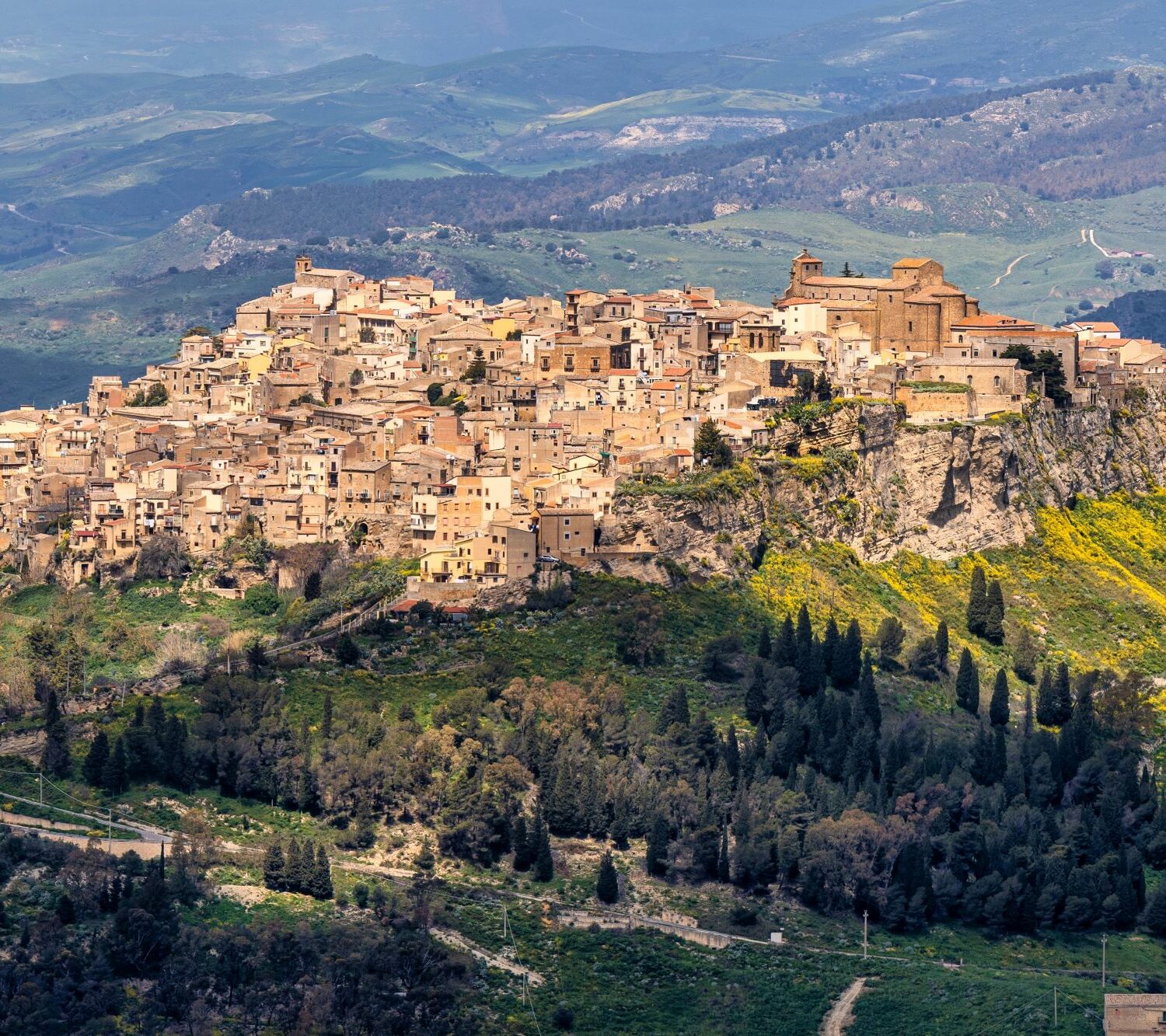
According to the promoters, the objective is to encourage the maintenance and requalification of the estate in the villages affected by depopulation and abandonment. In many internal areas – such as the centers of the Apennines or the Sicilian hinterland, where entire blocks are unsold or at symbolic prices – the real estate market does not absorb these properties, often inherited from immigrant families. MEP Christian Di Sanzo, among the signatories, said that the measure “allows these homes to become an improductive cost and strengthens the link with the territories of origin”.
The text approved by the House provides for three extensions based on the cathartic income. Real estate with an income of up to 200 euros will be exempt entirely from the IMU; between 201 and 300 euros the tax will be reduced to 40% of the due; between 301 and 500 euros to 67%. The threshold of 500 euros has been identified because it represents the most frequent band for modest housing in small municipalities, according to the statistics of the Agency of the Entrances.
IMU reductions are accompanied by a 50% discount on TARI. The change was introduced to prevent the tax benefit from being canceled by a waste levy which was considered not consistent with the actual production of residents abroad, which spend only short periods during the year in Italy. In other similar regulations, such as those applied to second homes not used in the touristic municipalities of Trentino, TARI is modulated on the basis of actual presences and not only on the surface of the property: a precedent that helped motivate the intervention.
The benefits will be granted only to those who are enrolled in AIRE and have lived in Italy for at least five years before the transfer abroad. The norm excludes housing located or granted in convenient use, and cannot be applied to more than one property for each taxpayer. The choice to limit the perimeter is to avoid elusive uses and to maintain the cost of measurement within sustainable limits for municipal budgets.
The legislative process also has a technical motivation: the proposal responds to the European Commission’s findings under the infringement procedure initiated in July 2025. Brussels challenged the absence of uniform criteria in the application of IMU to non-resident European citizens, on which several countries – including Portugal and Spain – have already reviewed their respective regulations. The postponement of the final vote in Montecitorio, originally scheduled for July, had been asked precisely to adapt the text to the required standards.
The cost of the change is estimated at around 12 million euro per year. The figure, relative to the total revenue of the local taxes (which exceed 20 billion a year), will be compensated through a refreshment fund for the municipalities concerned. The publication, by the Ministry of the Interior and the Ministry of Economy, must be defined by 30 April each year, after the opinion of the State-City Conference.
The entry into force is scheduled for 2026, once the Senate exam is completed. Speaker Toni Ricciardi defined the measure “an answer awaited by many citizens who maintain a link with Italy while abroad spending most of the year”. In several municipalities with populations of less than 5 thousand inhabitants, where in the last twenty years the population decline exceeded 20%, the facilitation is interpreted as an attempt to make less expensive the maintenance of buildings that represent a significant part of the urban fabric.
L’articolo The House has approved the IMU exemption for Italians abroad with homes in small municipalities proviene da IlNewyorkese.