William Herbert Foege, American physician and epidemiologist considered one of the central figures of public health in the second 20th century, died at 89 years in his home in Atlanta for congestive heart failure. The news was confirmed at the New York Times by Mark Rosenberg, colleague and long-time friend. Foege is remembered above all for the decisive role in the eradication of smallpox, the first and so far only infectious disease completely eliminated from the history of humanity.
Its name is linked to the strategy of the “ring holiday”, developed in the early 1970s during work in West Africa on behalf of the World Health Organization. Foege helped move the approach from mass vaccination to an active surveillance system: quickly identify cases, isolate them and vaccinate contacts and contacts. The method interrupted the chains of contagion and led to the elimination of smallpox in West and Central Africa in 1970. In 1978 the last case was recorded in the world, Somalia, and in 1980 the Oms officially declared the disease eradicated.
This success, achieved along with other epidemiologists such as Donald Henderson and J. Donald Millar, was a turning point in global public health. Foege defended the same approach in India, one of the last countries in which smallpox remained endemic until the middle of the 1970s, opposing political pressures for indiscriminate vaccination campaigns. The monitoring and containment strategy contributed to the definitive disappearance of the disease in 1975.
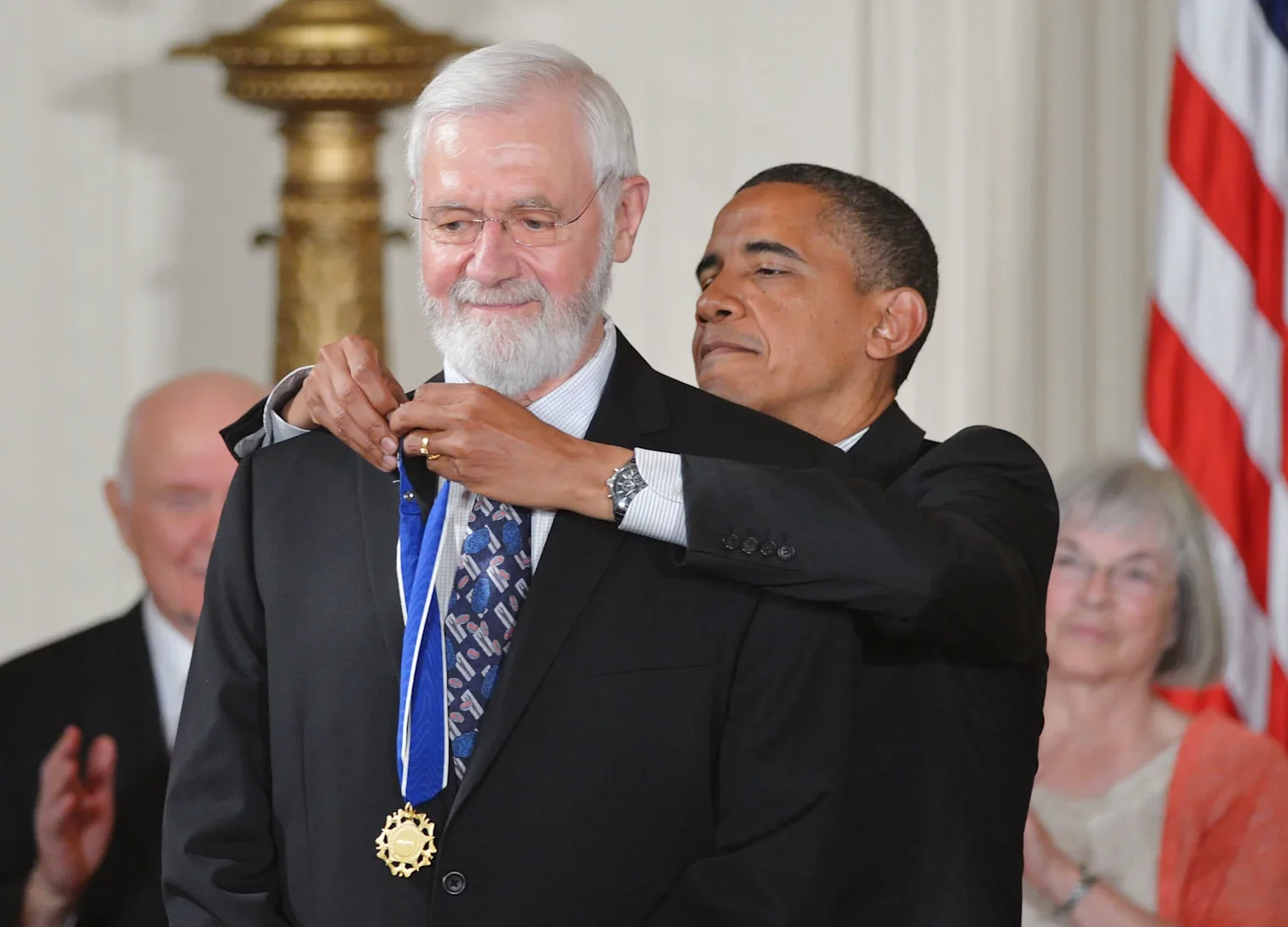
From 1977 to 1983 Foege directed the Centers for Disease Control and Prevention, during the Carter and Reagan administrations. In those years he expanded the agency’s scope of action, including controversial themes such as road accidents and armed violence, attracting criticism and political resistance. He also faced the early stages of the AIDS epidemic, defending patient confidentiality and seeking funds for epidemiological research despite strong stigmatization and budget cuts. In 2012 he received President Barack Obama’s Presidential Medal of Freedom.
After the Cdc leadership experience, Foege focused on the overall health of children. He was one of the promoters of the Task Force for Child Survival, which helped increase the worldwide child vaccination rate from around 15 percent of the 1980s to almost 80 percent in the early 1990s. He was then executive director of the Carter Center and reference consultant for the Bill & Melinda Gates Foundation, affecting the birth of Gavi, the global vaccine alliance.
In recent years he had intervened several times in the US public debate criticizing the health policies of the Trump administration and the anti-vaccinist positions of the Secretary of Health Robert F. Kennedy Jr., who had defined “dangerous for public health”. Born in 1936 in Decorah, Iowa, the son of a Lutheran pastor, Foege had graduated in biology and medicine and obtained a master’s degree in public health at Harvard. Since 1997 he was professor at the Rollins School of Public Health at Emory University. Leave his wife Paula, two sons, four grandchildren and two great-grandsons; a son, David, died in 2007.
L’articolo William Foege, one of the epidemiologists who led to the eradication of smallpox proviene da IlNewyorkese.