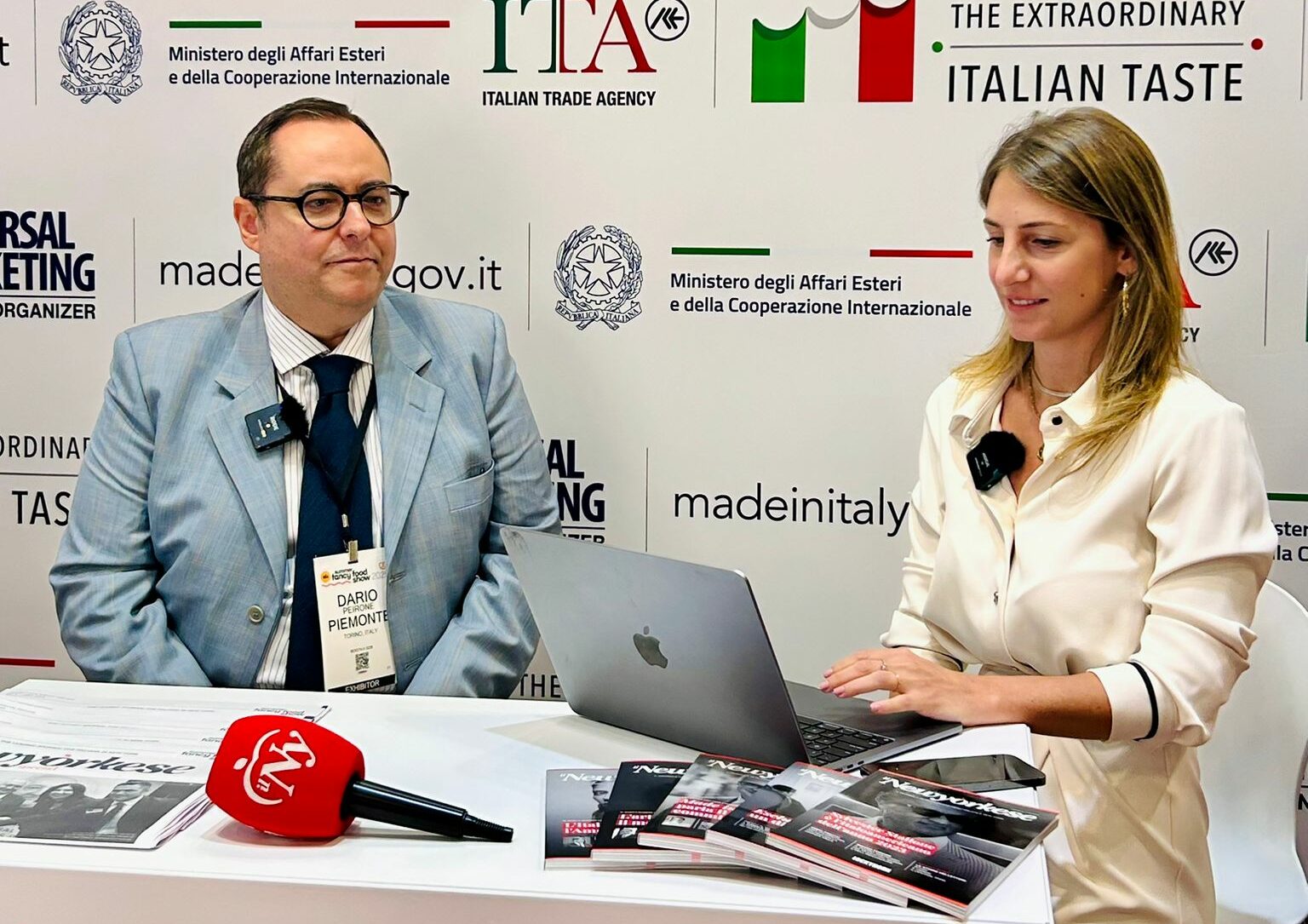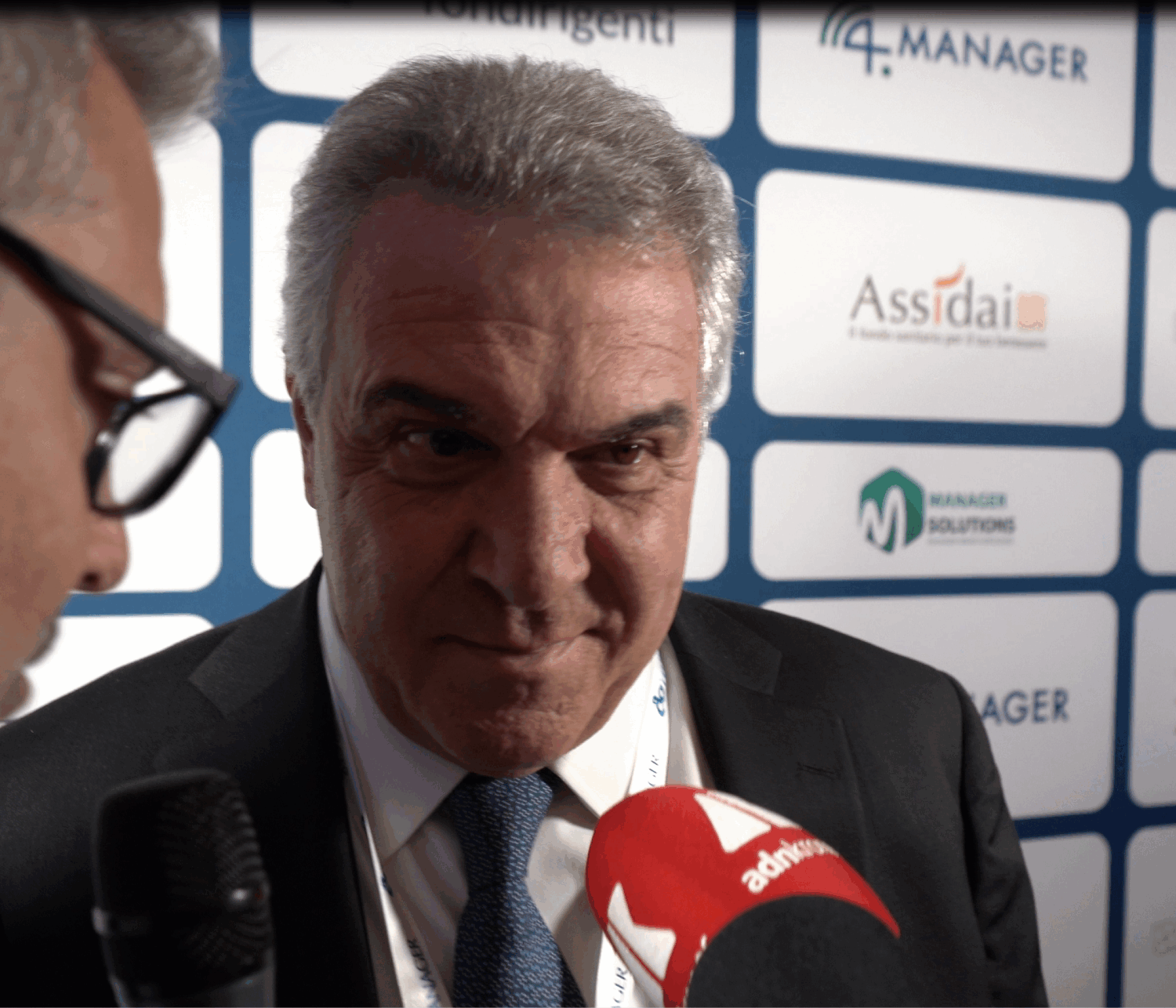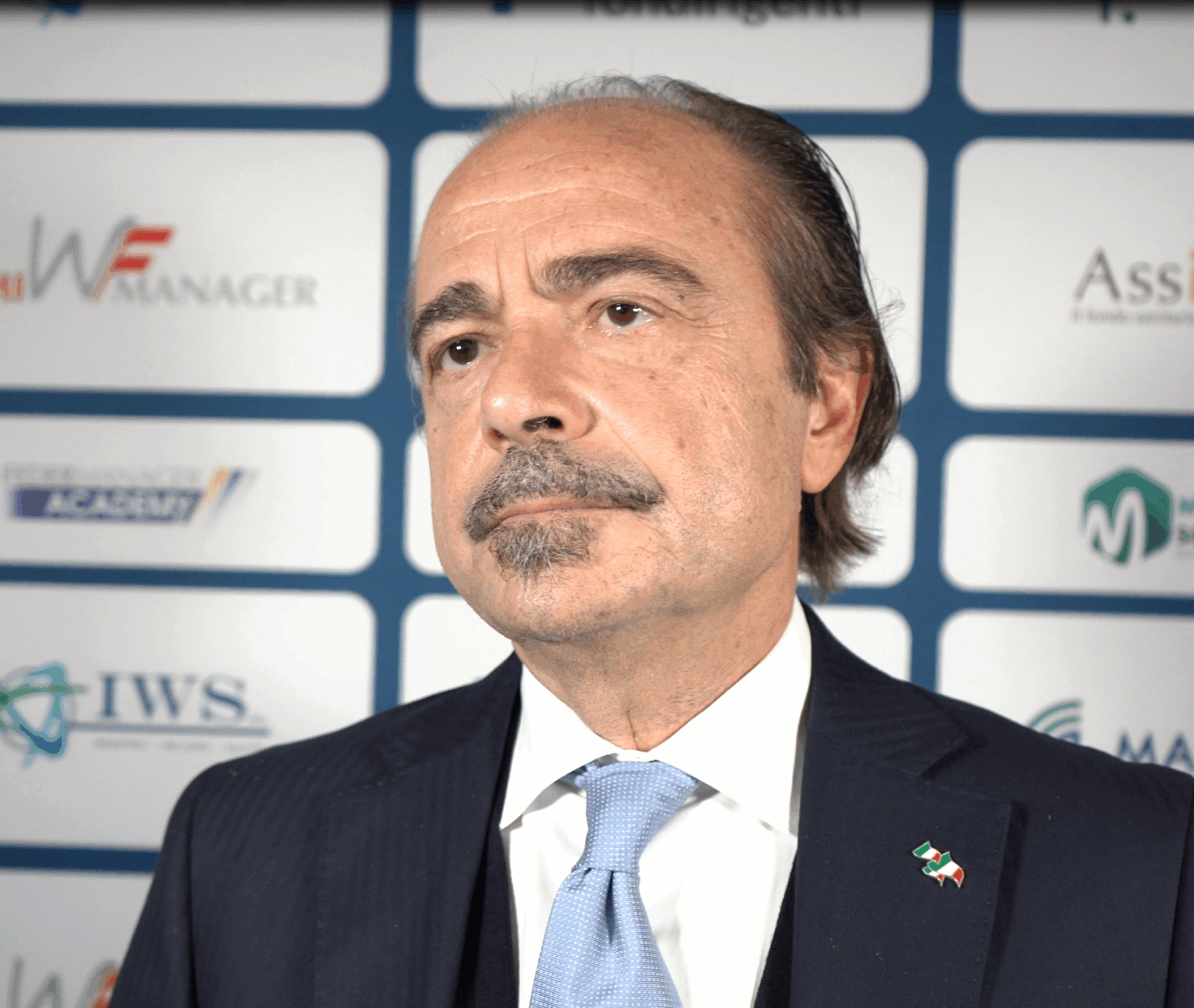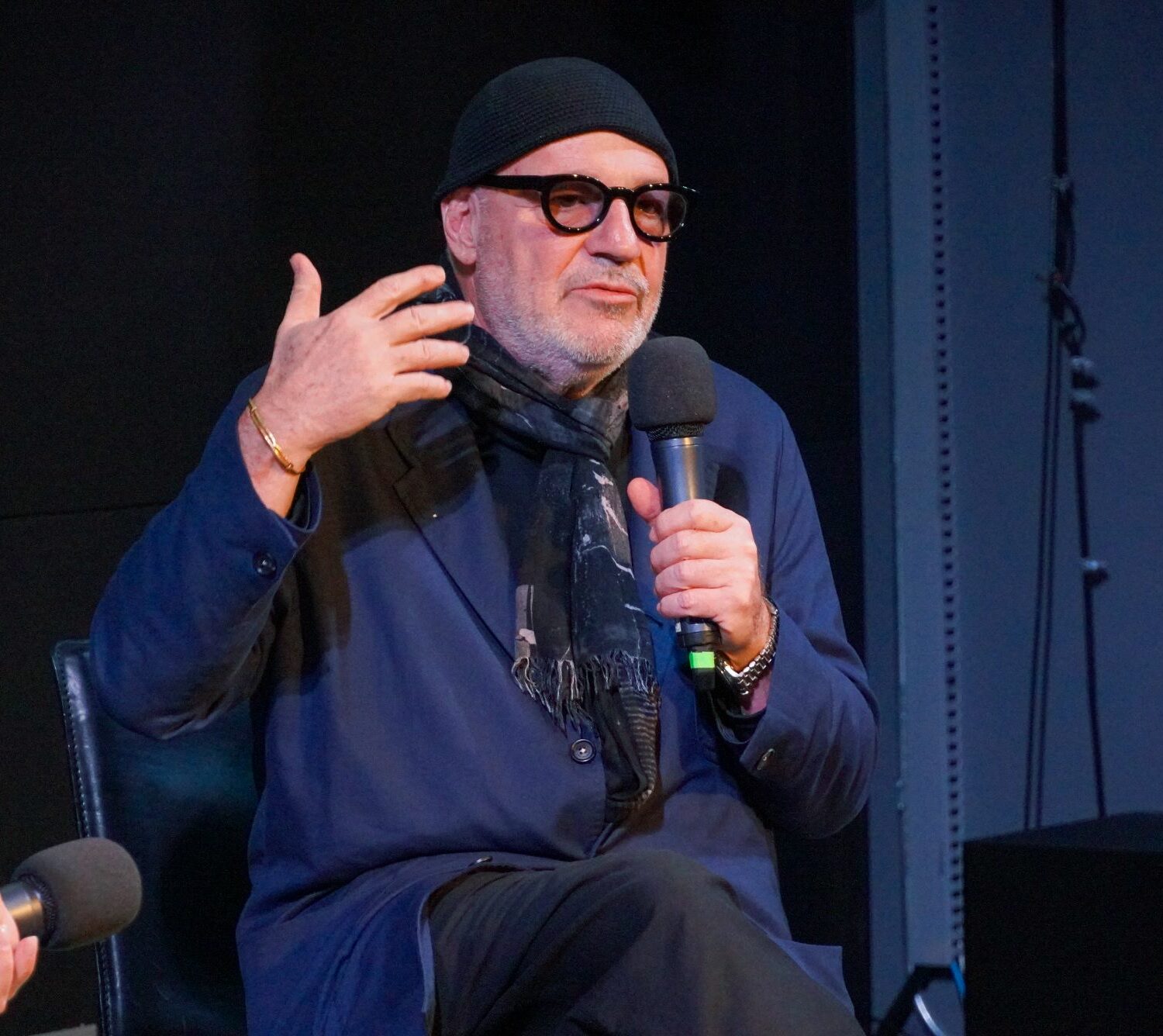
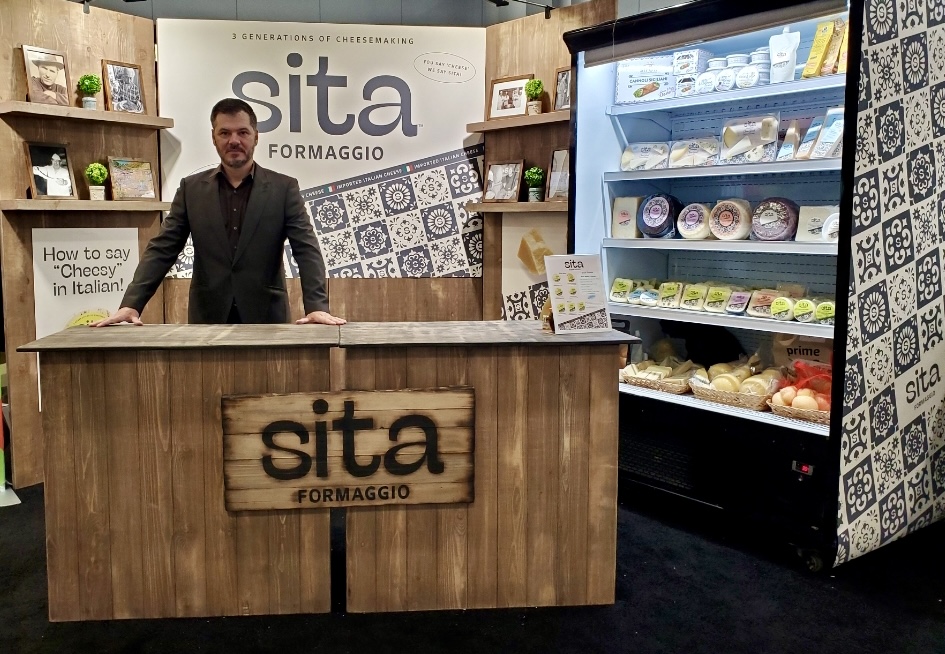
TuttoFood Milan is not only a showcase, but a privileged observatory to read the state of health of the Italian and international agribusiness. On the occasion of the Milanese edition, we talked about it with Alessandro Sita, led by Sita Food Inc, present at the fair not as an exhibitor but as an attentive observer.
“Arriving to Milan and, in two or three days, having a complete picture of the market is a huge advantage,” he explains. But there is more: “The best insights often arise when you let yourself be led by the fair, without agenda.” A strategic choice that tells a lot about its approach: analytical, global and deeply rooted in product culture.
This shows the portrait of an entrepreneur who is also authoritative interpreter of the transformations of the sector.
What is the strategic role of TuttoFood Milan in your exhibition calendar?
Over the years the fairs have multiplied, but in Italy there are some that remain central: All Food Milano and Cibus in Parma are today the most representative showcases of agribusiness. On occasions like these you will meet manufacturers, transformers, large and small players. For us it is a great advantage, because in a few days we can observe the market as a whole, understand if there are news, identify companies growing or seize weak signals that maybe elsewhere would take months to emerge.
At TuttoFood participate without stand. A precise choice?
Yes, it’s a choice. We will be at TuttoFood Milan as observers, not as exhibitors. In the past we have also participated with stands, but today our goal is different.
We want to move more freely, have a more open look. The first goal remains to meet our partners, to verify that everything is aligned, even simply looking in the eyes, which in today’s digital world is not discounted.
Then there is a part that is fundamental to us: about 20% of the time we leave it deliberately without appointments. It is a pure exploration space, in which we let ourselves be guided by the fair. And that’s where the most interesting discoveries often emerge.
So networking, but also analysis and discovery..
Exactly. Networking is important, but it is not the only goal. There is also a continuous analysis work. Sometimes we also bring customers with us: this allows us to have an external look, to understand if there are products or ideas that maybe we have not considered.
At the same time, the fair is a space of curiosity: even remaining in our world, that of fresh, cheeses, meats, there is always something new to discover. Maybe a small regional reality, maybe a reinterpreted product. These are details that, over time, can make a difference.
Can TuttoFood also be a moment of comparison on the criticalities of the sector?
Sure. Today the agri-food sector is crossed by many tensions: the cost of energy, transport, the euro-dollar change, the geopolitical dynamics. Fairs allow you to collect information, compare with partners and build common strategies. We cannot always change external factors, but we can adapt better.
After Covid, for example, we learned how fragile global logistics is. Today we analyze much more these aspects, to ensure continuity and quality to the final consumer.
Compared to duties, how much do they affect your work today?
Enough. Some costs are absorbed, but most move along the supply chain, reaching the consumer. We try to defend the quality: rather we reduce the portions, but we do not compromise on the product. It’s a precise choice. We believe that the consumer recognizes the value of a quality product, solid and by virtue of this builds a relationship of trust that is maintained over time.
How is the consumer changing?
“It is increasingly attentive to sustainability, waste and quality. You buy less but better, more often and with greater awareness. The United States is also spreading this mentality closer to the European one. And high quality ready food consumption grows, which integrates with domestic cuisine.
What photo does TuttoFood offer of the health status of the industry?
It’s a good representation. You can see solid companies, but also many young or evolving family realities. In Italy we have an incredible heritage of skills and new generations very valid. The risk, sometimes, is only to give a false representation, dress too well: some companies seem multinational in the way of presenting themselves, but they remain small. This can create distorted expectations in international buyers. So it serves more concreteness and professionalism.
Precisely on young people: what is needed to address global markets?
The first thing is trust: we must leave room for young people, even accepting that they can make small mistakes. Then you need humility. Nothing is acquired, not even in second or third generation companies. And above all cultural openness. You cannot think or take it for granted that what works in Italy automatically works elsewhere. You have to listen a lot, understand the customer.
In the United States, for example, the culture of customer service is central. It is an aspect on which we can and must still grow a lot in Italy. And then, of course, the languages: knowing how to communicate is fundamental.
How much does direct contact count today compared to digital?
It counts more and more. Paradoxically, just because everything is digital. Live meetings allow you to build authentic relationships, understand people, companies, values. In food, this is essential. Certain products, such as food products, cannot appreciate them until you see the processes, love and care that is in making them.
What will your focus on at the fair?
On gastronomy: cheeses, meats, appetizers. We are interested in understanding how proposals evolve, even in terms of presentation and new packaging. For example, we are working on concepts such as regional cutters or aperitif boxes. We want to understand how tastes evolve and how to offer a new experience to the consumer, complete, that combines quality and simplicity.
An idea that looks at the future, right?
Yes, we are working precisely to these appetizer Sita box of Italian products ordered online, designed for the American market. A simple way to approach new consumers to our world: quality and accessibility, all in one click.
In three words, the future of Sita Food Inc?
Quality, convenience, accessibility. These are the values that have always led us and that, in an increasingly complex market, they will continue to do so.
In a constantly changing sector, between global tensions and new habits of consumption, Alessandro Sita’s contribution to TuttoFood Milan makes us understand how to observe, listen, connect both the balance on which the competitiveness of Italian agri-food is played today.
And while the market accelerates, there is a certainty that goes through all its vision: “Quality is not negotiable. It is from there that every lasting relationship arises, with partners and consumers.”.
L’articolo TuttoFood Milan and Alessandro Sita’s vision: networking and product culture proviene da IlNewyorkese.