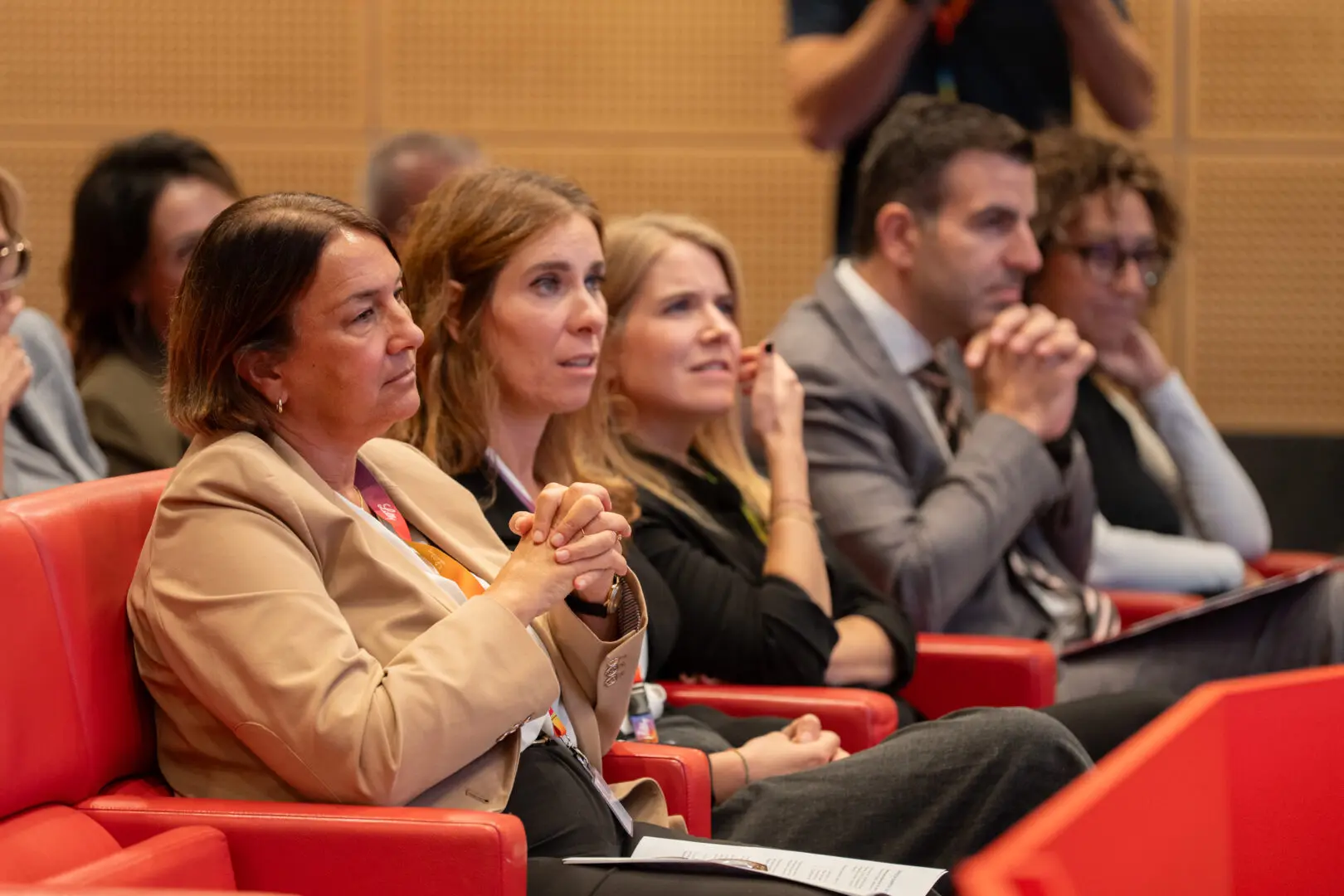
SESTO FIORENTINO (ITALPRESS) – Gender differences affect health pathways, from access to care to the possibility of managing them over time. It’s what emerged during “Health that includes. From gender differences, new prospects for everyone’s health”, an event that – with the scientific supervision of UN Women – Lilly promoted and hosted at the Italian headquarters in Sesto Fiorentino for its 150 years.
The meeting was a moment of comparison of health as an inclusive and attentive area to gender, cultural and social differences. To strengthen the work tables, the presentation of the results of a dedicated analysis, carried out by IQVIA, which highlighted how gender differences affect not only the way men and women live and perceive health, but also access to services, prevention behaviour and continuity of care.
From the analysis it emerged how health is a priority for the majority of the population, especially for 84% of women and for 82% of men, but with a misalignment between awareness and effective possibility of care. If, on the one hand, women are more attentive to prevention and more sensitive to the issues of psychophysical well-being, on the other, only 39% of Italian women can be considered able to take care actively and continuously of their health in everyday life. The majority, more than 6 out of 10 women, while recognizing the importance of prevention, encounters difficulties in activating seamlessly, due to economic barriers, family burdens, organizational constraints and lower working stability.
Isabella Cecchini, Director Primary Market Research and Head of IQVIA Study Centre, presented the analysis highlighting how health is increasingly conceived broadly and holistically, as a balance between physical, mental and relational well-being, but at the same time highlight significant gaps in prevention behaviour, access to care and chronic management. In particular, significant differences emerge between men and women in terms of health perception, levels of engagement and ability to activate in treatment paths. These evidences emphasize the importance of reading health trends not only in clinical, but also cultural and social, to support more equitable, effective and person-centered policies and models of intervention.
This adds a marked access gap: 32% of the population declares that they have given up at least once for visits or health checks. Among women, the renunciation is more often linked to economic reasons, while among men prevail logistic and organizational factors, such as waiting times or difficulty booking. It also affects the gap in health insurance coverage, with only 28% of women in possession of private or corporate insurance, against 40% of men.
The differences also concern the different stages of life, which are reflected in the methods of prevention and health management. Among the under 35, 73% seeks online information, but only 36% carry out regular examinations. Between 36-59 year olds, 54% regularly carry out exams and check-ups, while between over 60 the share rises to 66%.
A particularly important figure that differentiates men from women is linked to the relationship with health information. Despite the fact that both sexes represent the main point of reference and the pharmacist maintains a significant role, among women the network of information touchpoints is broader and also includes patient associations, while maintaining unreliable digital channels, including web and IA.
“The data confirms that women show a high attention to health and a strong propensity to prevention, but this awareness is colliding quotidianwith concrete obstacles. Economic vines, working and family loads, organizational difficulties and lack of time limit the possibility of taking care of yourself continuously – said Darya Majidi, President of UN Women Italy. – It is significant to observe how many women are forced to give up both physical care and psychological support, mainly due to costs, despite their importance. These renunciations are not the result of individual choices, but the reflection of a system that must be reconsidered to protect and support women. Investing in policies, services and organizational models that allow women to take care of their health means improving not only the health of women, but that of the country as a whole.”
Differences also emerge strongly in the field of mental health: women declare stress levels and anxiety-depressive states about twice compared to men but, despite a greater openness towards psychological support, 15% of women report that they have given up support paths for too high costs. The use of psychological support varies significantly also according to the age range: 55% of under 35 women consulted a psychologist at least once, while the figure drops to 34% for women between 35 and 59 years, and 23% of over 60 women.
The theme also concerns companies, which can help reduce the gap between awareness and access to care from the people who work there. Supplementary health coverage, prevention and screening initiatives at the workplace and tools to reconcile work and care, starting from parenting and caregiving, are among the areas of intervention indicated by the analysis for health ecosystem actors. In this direction Lilly has developed for its employees a set of activities that start from health and arrives at the reconciliation between work and care.
“Rendering inclusive health means starting from home: ensuring healthcare coverage, promoting prevention at work and supporting parenting and caregiving – said Manuela Schumann, Vice President HR & Site Services of Lilly Italy Hub –. A company that produces medicine must first take care of the health of its people, taking into account the different needs. In Lilly we do this through supplementary health insurance, annual check-ups and screening on our campus, as well as initiatives dedicated to parenting and our caregiver community. We constantly monitor our approach to ensure its effectiveness over time and will continue to improve it together with our people and health system partners.”
“Rendering really inclusive health requires a system commitment based on three key principles: proximity, perseverance and timeliness – said Elias Khalil, Chairman and CEO of Lilly Italy Hub –. These are values that have been guiding Lilly’s commitment for 150 years and which continue to guide our way of doing research and innovation. Proximity means bringing the therapeutic solutions where people live, reducing the geographical, organizational and gender distances that still hinder access to care. Perseverance means continuing to invest in research even when the paths are long and complex, without leaving only patients and families. Tempestivity, finally, involves working with all the actors of the system so that innovations come to patients in the shortest possible time, because every delay in access to care represents a form of exclusion. It is on these pillars that Lilly’s contribution to the development of a more fair and effective health system is founded.”.
– Lilly press office photos –
(ITALPRESS).