ROMA (ITALPRESS) – The fight against cancer has been included among the priorities of the G7. The heads of state gathered in Évian last week adopted the Leaders’ Call on the Fight Against Cancer, a statement relaunching the international commitment to the fight against cancer diseases: the G7 Cancer Initiative welcomed this result and, in a joint article soon published on The Lancet Oncology, the organisations participating in the initiative have that speeding up progress against tumors will require increasingly close scientific collaboration between institutions and institutions.
For Italy participates Alleanza Contro il Cancro (ACC), the National Oncological Network of the Ministry of Health chaired by Professor Ruggero De Maria. The inclusion of cancer among G7 priorities is considered an important signal at a time when the disease continues to represent one of the main causes of death at world level, with almost ten million deaths each year; despite the progress made by research and oncological assistance, tumors continue to exert a significant impact on health systems and societies in all countries.
According to the G7 Cancer Initiative many challenges remain open: too many tumors are still diagnosed in an advanced stage, numerous neoplasms continue to present limited therapeutic options and some patients still have no access to specialist skills, innovative therapies or high-quality multidisciplinary care paths. This picture adds a tendency to characterize the next decades: the overall weight of oncological diseases is expected to grow due to the ageing of the population, demographic changes and the evolution of environmental and behavioural risk factors.
For the G7 Cancer Initiative, addressing this challenge requires something more than the continuation of the current activities. Accuracy medicine, the use of artificial intelligence, the analysis of clinical and genomic data, the development of new therapies and the realization of clinical studies require a growing ability to share knowledge, skills and infrastructure. The possibility of working on interoperable data, collected and analyzed according to common standards, is indicated in the joint document as one of the essential conditions to accelerate innovation and translate research results into concrete benefits for patients more quickly.
There are four priority areas: 1) the first concerns pediatric, adolescent and young adults cancers: the goal is to strengthen international collaboration to promote research and improve the availability of data and knowledge in areas characterized by a smaller number of cases; 2) the second is dedicated to unfavorable prognosis tumors, such as pancreas, esophagus, stomach, liver and glyoblastoms: despite the progress recorded in other areas of oncology, these pathologies continue to present particularly complex clinical perspectives and require further scientific effort; 3) the third concerns the elimination of cervical cancer through vaccination against human papillomavirus (HPV), effective screening programs and timely access to treatments; 4) the fourth priority is access to quality oncological care; In this context, digital technologies, artificial intelligence, innovative organizational models and the dissemination of best clinical practices play a significant role, with the aim of reducing the inequalities existing between health systems and geographical areas.
The statement also recalls specific objectives, including the increase in early diagnosis, the reduction of mortality for lung cancer in the next decade, the support to research on unfavorable prognosis neoplasms and the strengthening of the oncologic centers of excellence as strategic nodes for research, assistance and innovation. On the front of international cooperation, the document emphasizes that the growing complexity of oncological research makes it indispensable to an ever closer integration between institutions, research centers and health systems: to develop interoperable infrastructure, to promote the circulation of skills and to build shared scientific networks is indicated as a necessary step to accelerate progress against one of the major global health challenges.
According to Ruggero De Maria, president of the National Oncological Network, “the inclusion of cancer among the priorities of the G7 is an important signal; today many advances in oncology depend on the ability to strengthen international cooperation, share standards, make data interoperable and connect more closely research, innovation and assistance. With the participation of Covenant Against Cancer at the G7 Cancer Initiative, Italy is fully involved in this common effort, making its contribution to pediatric cancer, unfavorable prognosis cancer, prevention and access to quality oncological care.”.
The G7 Cancer Initiative brings together the main oncological organizations of the G7 countries with the aim of promoting international cooperation in the prevention, research and treatment of cancer. The French National Cancer Institute (INCa), the National Cancer Center Japan (NCC), the United States National Cancer Institute (NCI), Cancer Australia, the Canadian Institutes of Health Research (CIHR), Cancer Research UK (CRUK), the German Cancer Research Center (DKFZ) and the Alliance Against Cancer (ACC) for Italy. The International Agency for Research on Cancer (IARC/WHO) participates as an observer.
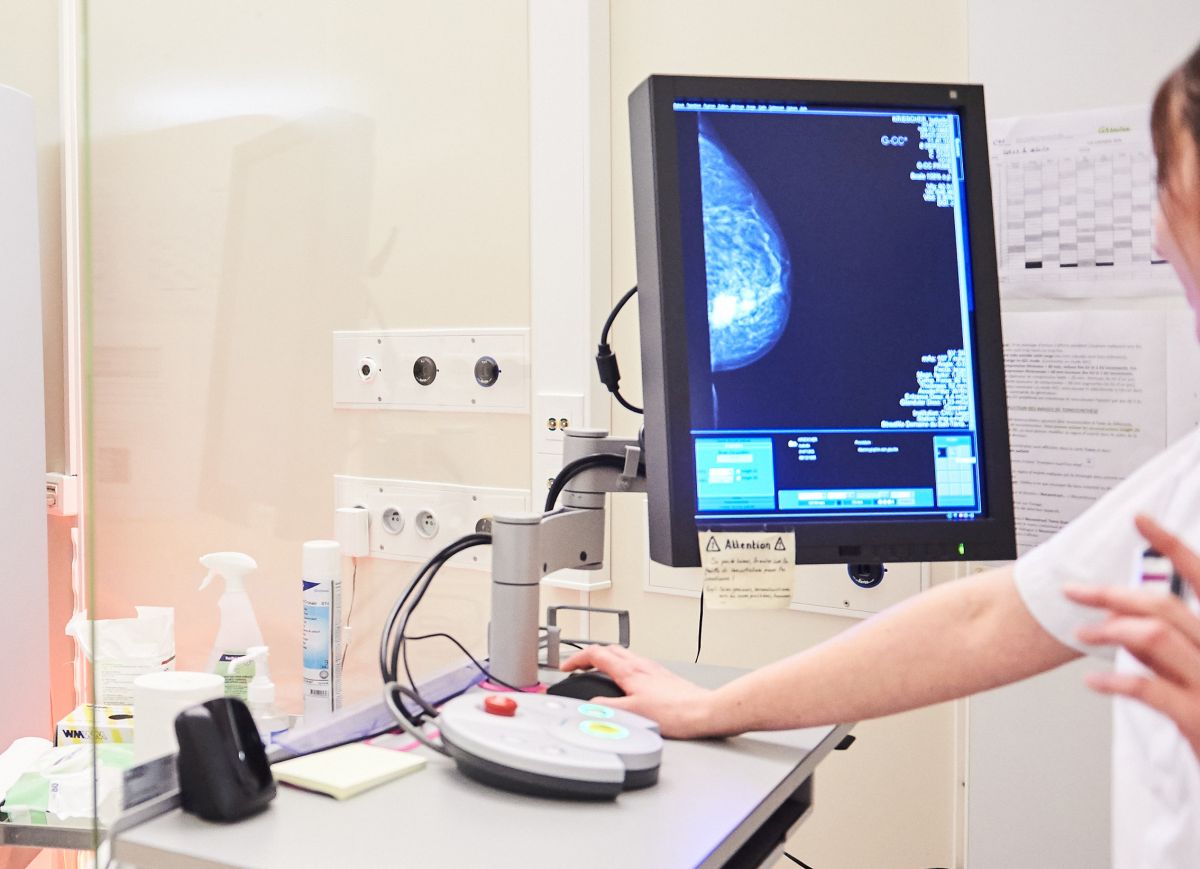
– Photo Ipa Agency –
(ITALPRESS).