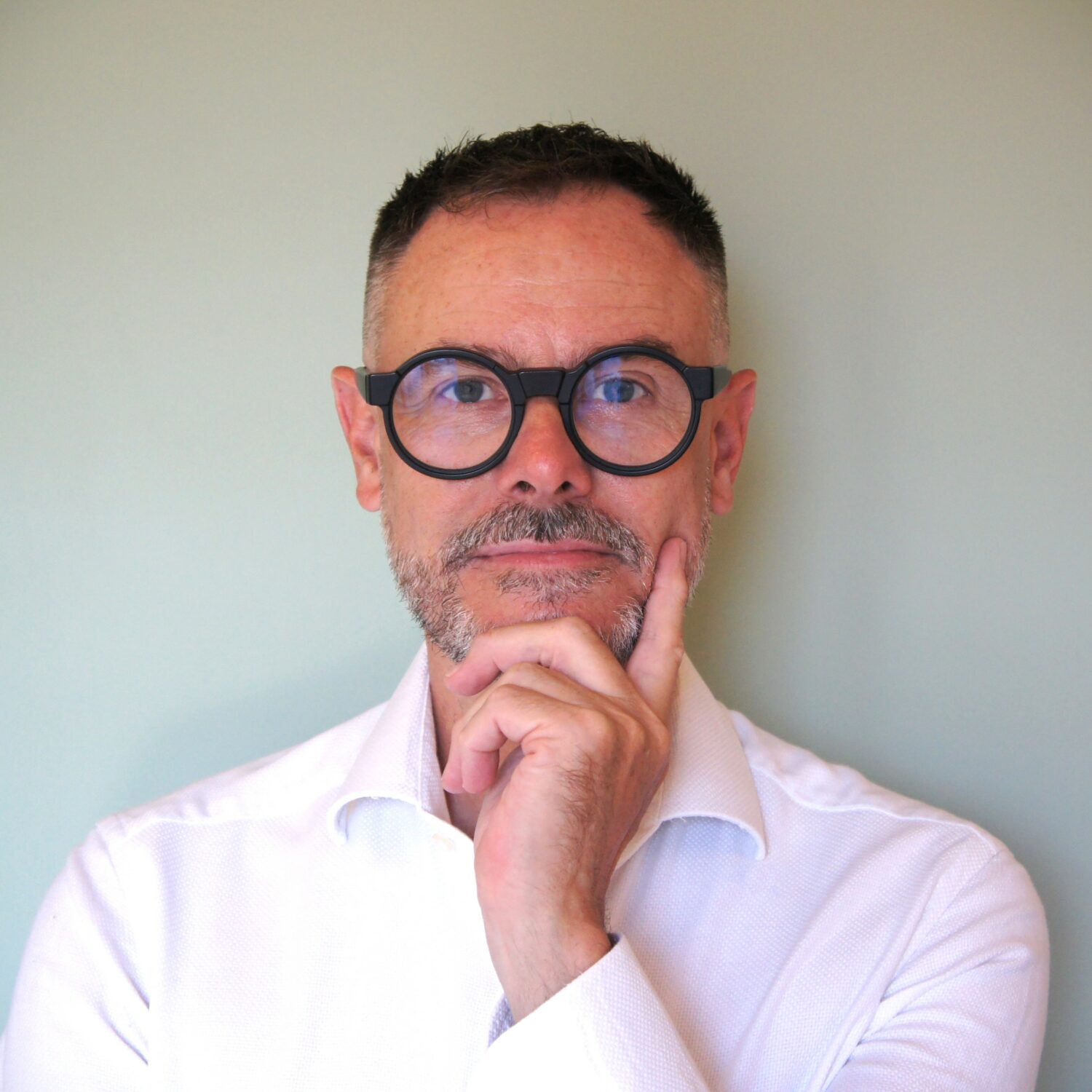
Stefano Soglia is Destination Manager of Visit Cremona, a professional with a long experience in territorial development and tourism promotion. It deals with enhancing the cultural, artistic and food and wine identity of the city, building innovative strategies of territorial marketing and coordinating projects that unite institutions, enterprises and local communities. Its approach integrates strategic vision and deep knowledge of the territory, with the aim of making Cremona and its provincial territory an increasingly attractive, sustainable and recognizable destination at national and international level. We interviewed him for IlNewyorkese.
What is DMO and what is the role of Visit Cremona within the territory?
The DMO, or Destination Management Organization, is an organization that manages a tourist destination. Managing means dealing with the promotion, marketing and development of the tourist product, trying to diversify the offer to attract visitors compatible with the territory. Cremona is a small town especially when compared to a New York, but it has a great potential, if you focus on quality. Our mission is to make culture, art and local traditions accessible and attractive, transforming the tourist experience into something authentic. An emblematic example is the cremonese luteria, part of the UNESCO intangible heritage list, with 180 shops still active. These artisan workshops, some open to visitors, allow you to see how violins are made according to the traditions of the Amati masters, Guarnieri del Jesus and Stradivari, to quote the most famous. It is an immersive experience that shows the complexity and beauty of an ancient art still alive. But our role goes beyond: we coordinate public and private entities, creating synergies between cities and municipalities of the province, and building a network that enhances the overall offer of the territory, from large centers like Cremona and Crema to smaller realities such as Casalmaggiore or Soncino.
What strategies have been put in these years?
The project began in 2023 with the Municipality of Cremona, who wanted to elaborate a strategic plan of tourism, entrusted to the Laboratory of Local Economics of the Catholic University of Piacenza. I was part of the team that analyzed the territory, identifying strengths and criticalities. From the strategic plan have emerged two key concepts: to integrate all the territorial offer – from the luteria to music, from cultural events to cycling tourism and river tourism and to valorize the local agri-food products in tourism (in the first place the torrone and cheeses). The DMO was formally created in 2024, after a year of maturation of the idea, with the signature of a letter of intent between main municipalities, Chamber of Commerce and local operators. The goal was to implement a strategy that would enhance strengths, reduce weaknesses and create an integrated system capable of promoting Cremona and its province as a unique tourist destination. It is a goal that we are carrying out with passion and good results.
How did you create so effective synergies between museums, theatres, artisans and local operators, transforming collaborations into true shared cultural experiences?
Collaboration is complex and requires time, specific skills and appropriate tools. Not all local operators are prepared to join a shared project, so it is necessary to explain the value of being part of an integrated system. Our team dialogues daily with museums, theatres and private subjects to coordinate activities and develop new proposals. For example, with the Ponchielli Theatre in Cremona we organize visits behind the scenes, showing the costume workshops and the evidence, creating unique experiences for the visitor. Today we are a growing cultural pole, with more than 4,000 creative enterprises and a cultural sector employing more than 7,300 people. At the Violin Museum, among other things, the historical violins are played in the Auditorium Arvedi, designed with a perfect acoustic to enhance the sound, thus preserving their vitality and allowing intimate and formative experiences for the public. The data confirm this vivacity: the 2021 revival, with a +58% arrivals, and the 112,000 visitors of the Violin Museum show how attractive the city is for professionals, students and enthusiasts from around the world. The aim is to diversify the offer, to encourage visitors to stop more days and to transform Cremona from simple stop to complete destination. In parallel, we work to integrate the accommodation offer, which today includes more than two thousand beds, of which 70% in extra-hotel facilities, such as Airbnb or short-term rentals, increasing the capacity to welcome and creating motivations for longer stays.
Il battistero di San Giovanni Battista in Piazza del Comune, a Cremona
Looking beyond the borders, how do you bring Cremona’s excellence to international stages, for example in the United States, transforming the local heritage into a global account?
We work at the same time on the national and international market. The presence in New York is strategic: we meet tour operators and agencies that operate daily on this market to make Cremona and its province known. There are concrete links: at the Metropolitan Museum there are five unique instruments from the great masters of the city. The Stradivari of Cremona have played in New York, Dubai, Tokyo, Paris, London, Vienna, Shanghai, thanks to the collaboration with Embassies and Italian Institutes of Culture. Claudio Monteverdi, considered the creator of the melodrama at the beginning of the seventeenth century, was born in Cremona and sees his works periodically represented at Lincoln Center and Carnegie Hall. And finally, the torrone: in New York can be tasted, but only in Cremona you live the complete experience of production. Bringing the Americans to discover these aspects means making known the authenticity of the territory, from the sounds of the winery and the bells of the Duomo, to the taste of local products. Work on the foreign market is not immediate: requires years to build relationships with qualified intermediaries, which will then insert Cremona into their planning and tourist packages. This international dimension is fundamental to attract investments, talents and new tourist flows. For us tourism, especially music, is not only economics: is a cultural transformation engine and a way to really share the human genius that has lived in Cremona for centuries.
What is the future vision for Cremona and its relations with the international market?
The goal is to build a quality tourism that can appreciate the many souls of the territory in a unitary and integrated system. We would like the Americans, as well as other international tourists, to share the multisensory wealth of the territory: the sound of the historical violins, the retouching of the bells of the Duomo, the taste of the torrone and the walk between the streets of the city to measure of man. The strategy is to strengthen the key markets, to work on the long term with international operators, and to create a complete and authentic tourist experience, where each element of the territory contributes to bring in love who visits Cremona. In this sense, the DMO is not only an organism of promotecommercialization, but a real laboratory of tourist innovation, able to value tradition, create unique experiences and build concrete paths between the local and the international.
L’articolo Stefano Soglia: turning Cremona into a global destination proviene da IlNewyorkese.