ROMA (ITALPRESS) – The National Federation of Orders of Medical Radiology Medical Technicians and Technical Health Professions, Rehabilitation and Prevention (Fno Tsrm and Pstrp) intervenes again on the DPR scheme concerning the biologist profession currently under examination of Parliament. In the light of the progress of the parliamentary process, the Fno Tsrm and Pstrp asks that “the text be corrected before its definitive approval, introducing a provision capable of unequivocally clarifying the scope of the activities attributed to the profession of Biologist and safeguarding the skills, professional acts and responsibilities recognized by the legislation in force to the other health professions.”.
The request of the Federation finds a precise reply in Opinion No 1343/2026 of the Council of State, Consultative Section for normative acts, made on the same scheme of regulation. Examined the new formulation of Article 31 of DPR No 328/2001, the Council of State found that the presence, in the detailed list of the activities of biologists, of formulations already provided by the legislation in force next to other new conio can ingenerate in the interpreter and in the professions with related fields the impression that new or partially overlapable attributes are introduced to those of other professional categories.
The same Council of State also highlighted how a decline in competences characterized by such a high degree of detail risks to generate confusion and encourage the emergence of litigation between professional Orders. In order to prevent these effects, the note continues, “the State Council suggested assessing the inclusion in the DPR scheme of a specific interpretative provision, clarifying that the areas of activity listed are recognitive of the competences already provided for in Law No. 396 of 1967 and must be interpreted according to the criterion of the “biological viewpoint”, recalled by the Constitutional Court with the judgment n. 345/1995”.
The National Federation has intervened on the measure since the previous stages of investigation, highlighting “the possible interference with the professional fields of health professions represented, with particular reference to biomedical laboratory health technicians, Dietisti and Technicians of prevention in the environment and in the workplace”. The Fia, together with the National Federation of Chemical and Physical Orders (FNFC), the National Federation of Orders of surgeons and dentists (FNOMCeO) and the National Federation of Orders of Italian Veterinaries (FNOVI), formally represented the competent parliamentary commissions the need to intervene on the Act of Government No. 440.
The four Federations proposed a punctual formulation to be included in the new Article 31 of DPR No 328/2001: “The activities referred to in paragraphs 1 and 2 of this article are to be understood regarding the biological aspects and limited to the biological point of view and scope. These activities apply in full compliance with the functions and typical acts reserved by the laws and decrees in force to the other health professions, remaining firm the respective spheres of competence and exclusive responsibility”. A proposal that “makes concrete implementation of the need for interpretative clarity highlighted by the Council of State itself”. “The role of Biologists and the legitimate evolution of their profession is not questioned – says Diego Catania, President of the Fno Tsrm and Pstrp –. The point is another: the evolution of the skills of any health profession must take place through clear norms, consistent with the training paths and respectful of the attributes and responsibilities recognized to the other professions. The question – Catania continues – cannot be reduced to a contrast between professional categories. When skills affect people’s health, it must always be possible to identify with certainty who is trained to carry out a particular activity and who assumes its professional responsibility.”.
“The regulatory clarity is therefore a guarantee first of all for citizens and for the proper functioning of the health system,” he adds. The National Federation also points out that the problem cannot be solved by relying solely on subsequent application interpretations. If a risk of overlap can be prevented through a clearer normative formulation, it is in the text of the rule that it is necessary to intervene. In the light of the comments made by the Council of State and the institutional action already undertaken jointly by the four Federations, the Fno Tsrm and Pstrp asks the competent parliamentary commissions and the Government to draw up the indications emerged and to amend the Act of Government No 440 before its definitive approval.
The objective must be to ensure: clarity of the professional spheres; consistency between training, competence and responsibility; respect for the attributes provided for by the legislation in force; prevention of overlaps and litigation; appropriateness and security of the benefits rendered to citizens. “The valorisation of a health profession – the note concludes – does not require the indistinct extension of professional boundaries, but clear rules that allow each profession to fully express its skills within a multi-professional system based on collaboration and respect for their respective responsibilities.”.
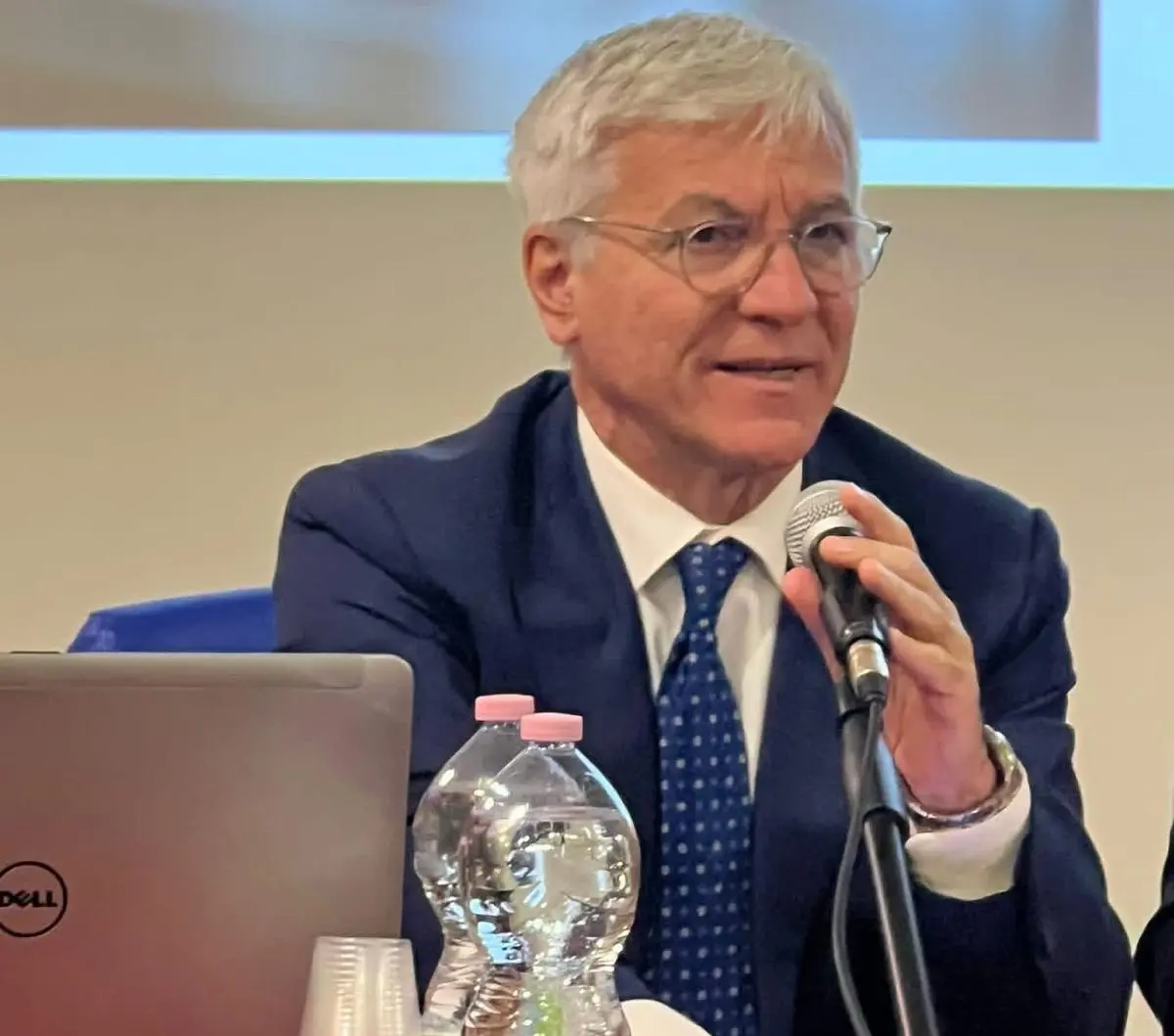
– photo press office Fno Tsrm and Pstrp –
(ITALPRESS).