Today in Italian restaurants all over the world not only boils water for pasta but is palpable the enthusiasm that fills the kitchens and pervades the spirit of cooks behind the stoves. After a round of calls made to measure the satisfaction on the promotion of Italian cuisine to Unesco heritage, I was particularly impressed by the declaration of Giovanni – famous and ancient Italian restaurateur of New York, who tells me: “We took them for the throat … and we won.” A summary of the daily work carried out by thousands of restaurateurs in the world for decades, a mix of training, tasting and information to make the guests understand the world not only what you eat but also how you eat.
John is a river in full and between anecdotes and curiosity keeps us to reaffirm an important concept – one of our main tasks has always been to teach to eat and not only to feed. For the emigrant, the kitchen has never been a matter of calories or fashion; It was, and it is, the umbilical cord that keeps the heart tied to the motherland. In a rapidly changing world, where language, climate and faces were foreign, the ritual of Italian cuisine was the only constant, the only safe haven.
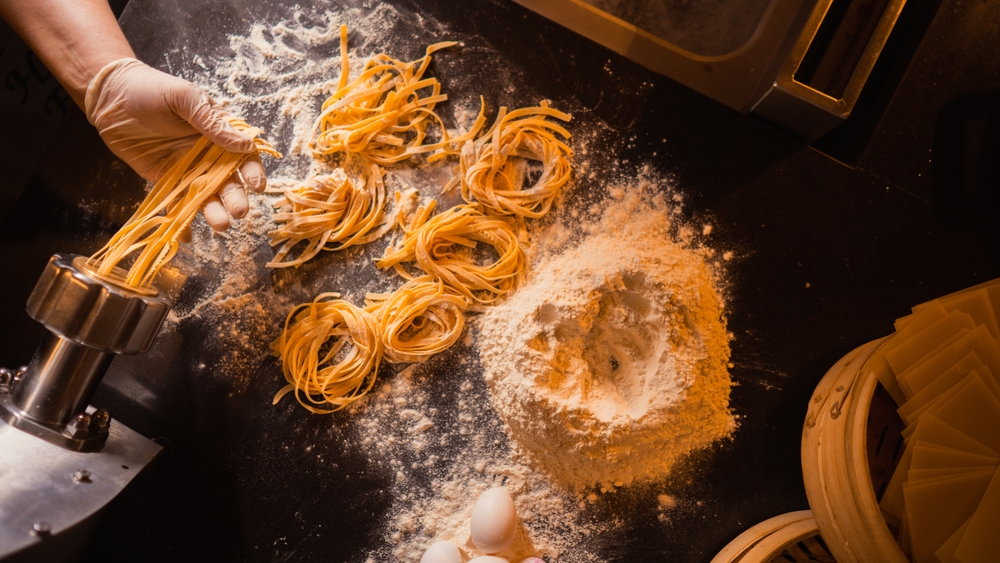
The emotion linked to culinary traditions arises from nostalgia, a feeling that attracts every emigrant. Cooking a traditional dish is a sensory journey in time and space. The smell of the soffritto, the matching of the products, the preparation of a sauce, the scent of tomatoes, the aroma of a good espresso coffee, the gesture of pulling the leaf for Sunday lasagna: each action is a bridge that connects the present far to the near past, keeping alive a link that physical distance has severed.
In this emotional scenario, the work of migrant associations has been to say little precious. They provided the structure, physical place and organization necessary to transform the isolation of nostalgia into community celebration. Deep roots in the world but the heart in the kitchen, an example for all in New York where since 1929 exists and resists one of the most famous Italian Clubs, Famee Furlane, which together with other organizations of Italians abroad acted as real centers of cultural resistance. Through festivals, presentations of narrative and historical books, concerts, photographic exhibitions and convivivial moments, they have not limited themselves to feed the bodies, but they have nourished the souls.
The lunches of Sunday with the whole family gathered, the memory of the Patron Saints, the feast of the Republic, the Carnival, the Chestnut Festival, the Christmas Dinner, the lunch with the Alpini of a time, silent witnesses of the historical events of a time that it was, all moments in which the associations recreated the rites of Italian sociality, good food, good wine, dance, the immancabile game of the cards guaranteeing.
Around a table, between a plate of lasagna and a glass of wine, it continued to speak the Italian language and dialects, to tell the stories of the avi, to hand down the ways of saying and values. The kitchen was the most powerful classroom of Italian language and history.
Keeping alive the memory of the true taste of home was their main goal. They organized cooking classes, tastings, events to enhance authentic products and to defend themselves against imitations, becoming sentinels of Made in Italy taste fighting with those who wanted to put cheese on fish, pineapple on pizza or ready ragù 7 minutes.
Thanks to this capillary and passionate network, the Italian table has become an altar of identity, a French port where the anxieties of integration dissolve in human heat. This is where children and grandchildren born abroad are taught who they really are and where they come from.
Today’s UNESCO recognition is the supreme validation of this emotional and organizational resistance. It is confirmation that those tears shed on lasagna, that stubbornness in seeking the right ingredient and the tireless work of the associations were not vain. Italy is the cradle of this culture, but the emigrants and their associations were the gardeners who made it flourish everywhere in the world.
L’articolo Radici nel mondo, cuore in cucina: il tributo UNESCO alla tenacia degli emigranti italiani proviene da IlNewyorkese.