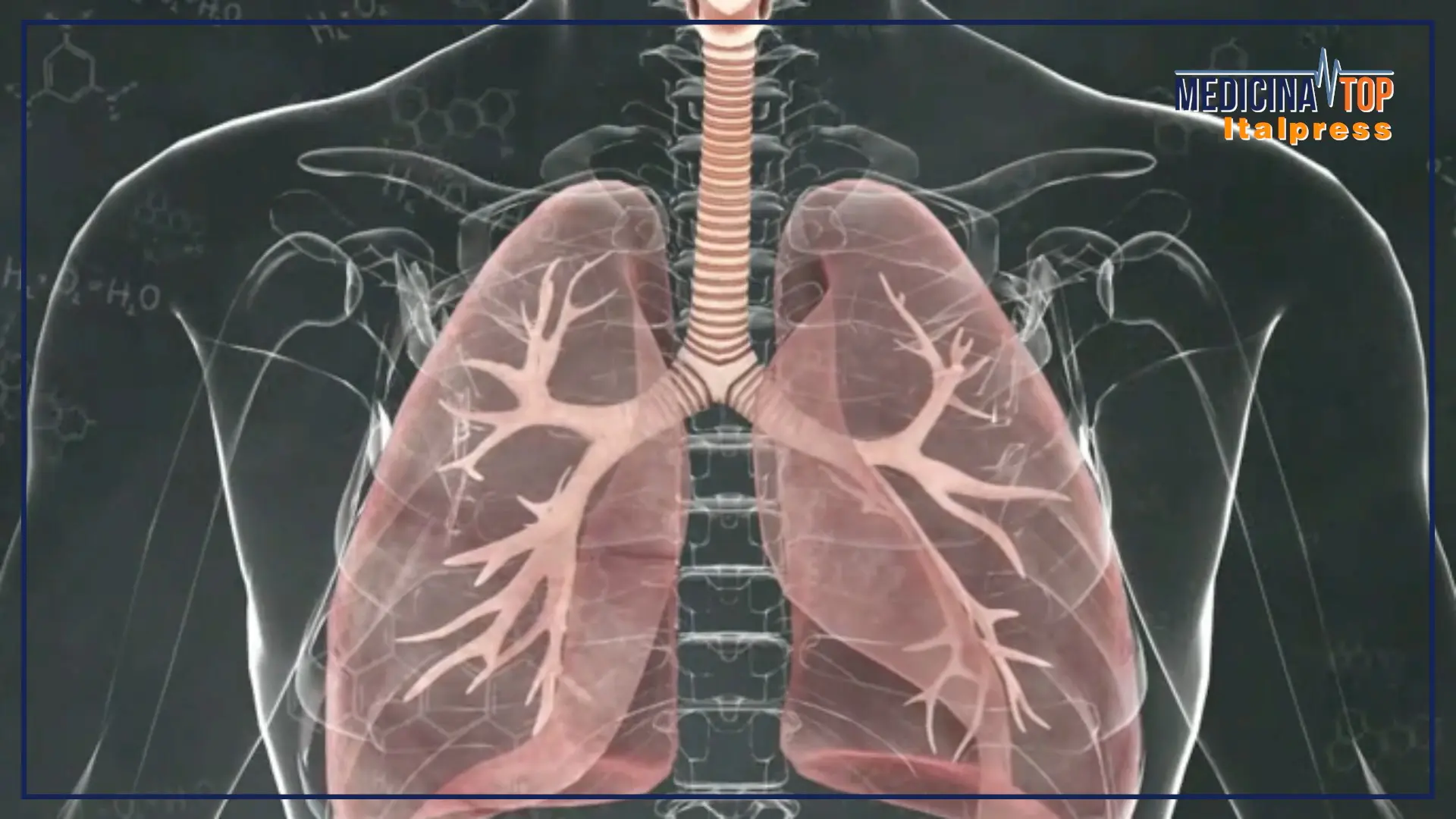
ROMA (ITALPRESS) – Every day the lungs filter thousands of liters of air, coming into contact with viruses, bacteria, allergens, thin dusts and toxic substances: smoke of cigarettes, pollution and ageing of the population contribute to the increase of respiratory pathologies, which in recent decades have become increasingly frequent. The most common diseases of the respiratory system are asthma, chronic obstructive bronchopathy (Bpco), pneumonia, lung cancer and bronchiectasia, to which rare genetic diseases such as cystic fibrosis are added. Given the close link with the environment and lifestyle, lung pathologies are a medical, but also social and cultural theme: promoting prevention, reducing pollution, countering smoking and investing in research are essential actions to protect respiratory health today and for future generations.
“Covid has certainly changed people’s perception of respiratory diseases, because it really hit the respiratory system: pneumonia was the fundamental point, respiratory failure one of the most frightening things; at first patients did not want to come to the hospital, because mortality due to respiratory failure was so high that there was fear of going there. I remember an undersecretary of Health, visiting my department, who told us pneumologists ‘no one knew who you were, after Covid you suddenly became the most famous doctors’: this is true because the Covid, apart from the acute phase, gave other issues; especially in the first wave and in the second wave there were respiratory problems and especially of long-term pulmonary fibrosis’, said Francesco Blasi.
Speaking of respiratory diseases, the first example brought by Blasi is bronchiectasia: these, he explains, “are permanent dilation of the respiratory tree of bronchi, which involve the failure of the mucus from the airways: this involves the stasis of the mucus in the airways, therefore chronic infection, chronic cough and respiratory infections that occur over time. It is a rare disease and with an important mortality: it has a significant social and clinical impact. Etiology is very varied: it is associated with immunosuppression and recurring infections in pediatric age or some autoimmune diseases, such as rheumatoid arthritis or chronic inflammations of the colon such as Crohn’s disease; in 50% of cases it is idiopathic, that is, we do not know what is due. The problem is chronic cough, with recurrent access to care and hospital. We are waiting for new drugs, already approved by the FDA and currently on sale in America: in Europe we still do not have them, even if they have already been approved by the EMA: these are anti-inflammatory drugs with a very good effect on reacutizations”.
As for cystic fibrosis, it is “an autosomal and recessive genetic disease: this means having two parent carriers of the gene, which must be joined in one of the children. It is a systemic disease, not only respiratory: it affects the gastroenteric apparatus. One of the most important signs is the block of the elimination of meconium in the newly born child: we then have pancreatic insufficiency, because the secretion to the pancreas is also affected with a damage linked to a protein called Cftr and makes the whole mucus very dense complicating the elimination, blocking the secretion of the pancreas and at the level of the lung. 35-40 years ago the life expectancy for those suffering from pulmonary cystic fibrosis was twelve years old, now we are close to fifty: we have drugs able to change the function of protein and active in Italy in about 80% of patients; this radically changes the disease and significantly reduces reacutizations, hospitalizations, the use of antibiotics.”.
The research continues, Blasi, “has made a very important leap in the last 15 years: we know practically everything about the disease and this helps a lot in management. Unfortunately, there are non-treated patients with modulators, others who respond a little less: this obviously causes that, especially in the adult, the damage there is already and therefore we have bronchiectasia, pancreatic insufficiency and diabetes; now we are witnessing cardiovascular diseases that were not there before and cancer. 99% of patients are already identified in the first days of life: this obviously allows all therapies and prophylaxis to be implemented immediately. There is a small portion of patients who can escape screening: for example from us to the Polyclinic some appear from nothing with cystic fibrosis, because they come perhaps to the bronchiectasia clinic to be seen and we find a cystic fibrosis because they were born before the start of the screening or escaped it. We keep in mind that in Italy the carriers are a person every thirty: when there is a case in the family we make the genetic screening of all just to prevent you from creating a later problem”.
The last reflection is dedicated to factors that generate respiratory diseases, but also to those that can help prevent them: “Smooth is obviously the most decisive, but pollution also plays a role: it must also be remembered that exercise is a prevention not only cardiovascular, but respiratory. The respiratory function improves with exercise: the maximum inspiratory volume at the first second is the best prognostic indicator of cardiovascular death, more than cholesterol and hypertension“.
– photos taken from video Medicine Top –
(ITALPRESS)