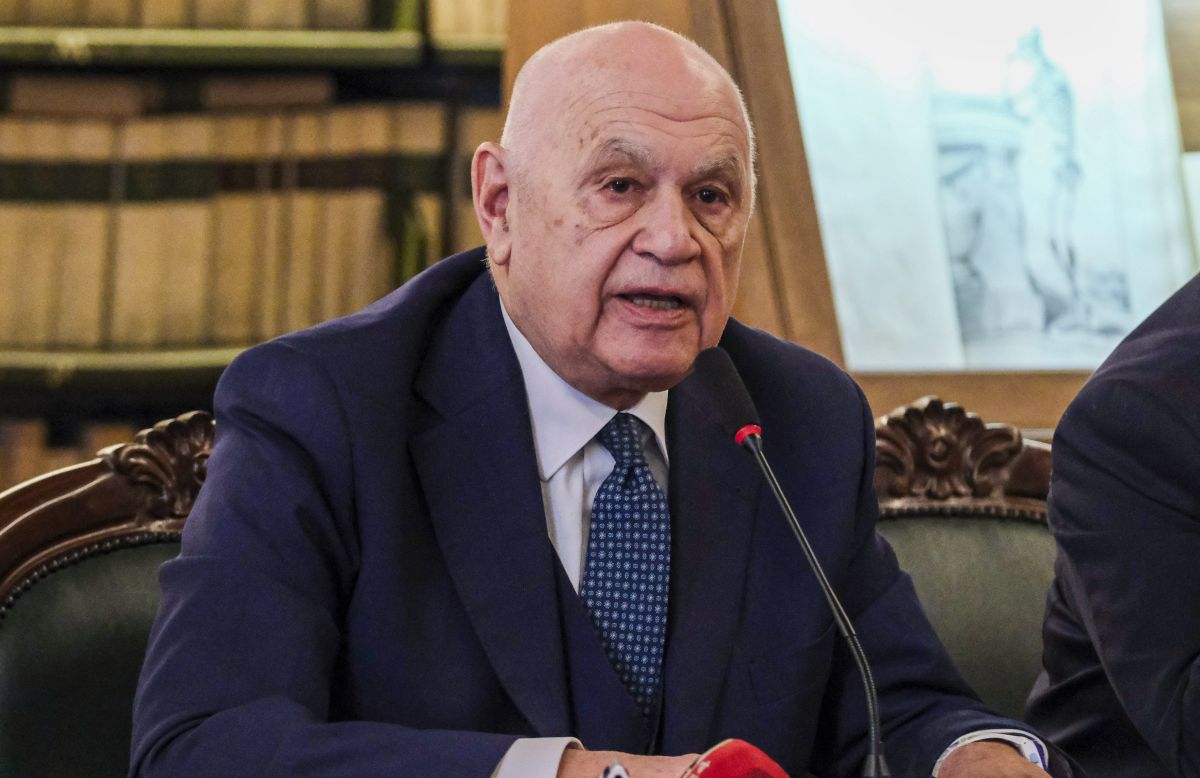
ROMA (ITALPRESS) – “The separation of careers” of judges and prosecutors “is a guarantee for all citizens”, “distinguishing clearly the roles means making the judge really third and impartial”. In an interview with the Italpress agency, the Minister of Justice Carlo Nordio, in view of the constitutional referendum of 22 and 23 March.
Why is it important for Italians to vote?
“It is important because it is a reform that affects one of the pillars of the rule of law: justice. Participating in voting means exercising a fundamental civic responsibility. Even when a quorum is not foreseen, the referendum remains an instrument of direct democracy that deserves conscious and informed participation.”.
The separation of careers between judges and prosecutors has been at the heart of the debate for decades. Why do you think it’s right that the Italian judiciary will implement this reform?
“The separation of careers is a guarantee for all citizens. Today judges and prosecutors belong to the same order and share professional paths and self-government bodies. This generates a sense of contiguity that does not help to strengthen confidence in the system. Distinguishing roles clearly means making the judge really third and impartial.”.
No supporters argue that separating career risks of isolating the pm, making it more exposed to political pressure. Why do you think these concerns are wrong?
“These concerns do not take into account the fact that the independence of the public ministry is nevertheless guaranteed by a solid constitutional order. Separating careers does not mean subordinating the pm to executive power, but clarifying roles. In many democratic orders, this distinction already exists without compromising the autonomy of the prosecution.”.
The constitutional referendum does not include quorum: the majority of valid votes will be sufficient. Does this change the political weight of the result? How would a low turnout be interpreted?
“The legal data is clear: the majority of valid votes count. However, on the political level it is evident that a broad participation strengthens the meaning of choice. A low turnout would not disappoint the result, but would impose a reflection on the capacity of institutions to involve citizens.”.
The referendum campaign has had very bright tones, sometimes too much. Does this affect a future dialogue between government and magistrates, regardless of the outcome of the vote?
“The bright comparison is part of the democratic dialectic, especially on such delicate themes. I hope that once the vote is finished, we can return to a constructive and respectful dialogue between institutions and judiciary. The reforms of justice must always be faced with the sense of the state and the spirit of collaboration.”.
As a former attorney, she lived from within the dynamics between the pm and judges. Is there an episode or a concrete situation of your career that convinced you that the separation of careers was necessary?
“In the course of my experience as a prosecutor I had the opportunity to observe dynamics in which the cultural and professional contiguity between judges and pm could be perceived as a limit to the full tertiage of judgment. It is not a question of questioning the integrity of magistrates, but of improving the system. The reforms serve to strengthen the confidence of citizens in justice.”.
– Photo IPA Agency –
(ITALPRESS).