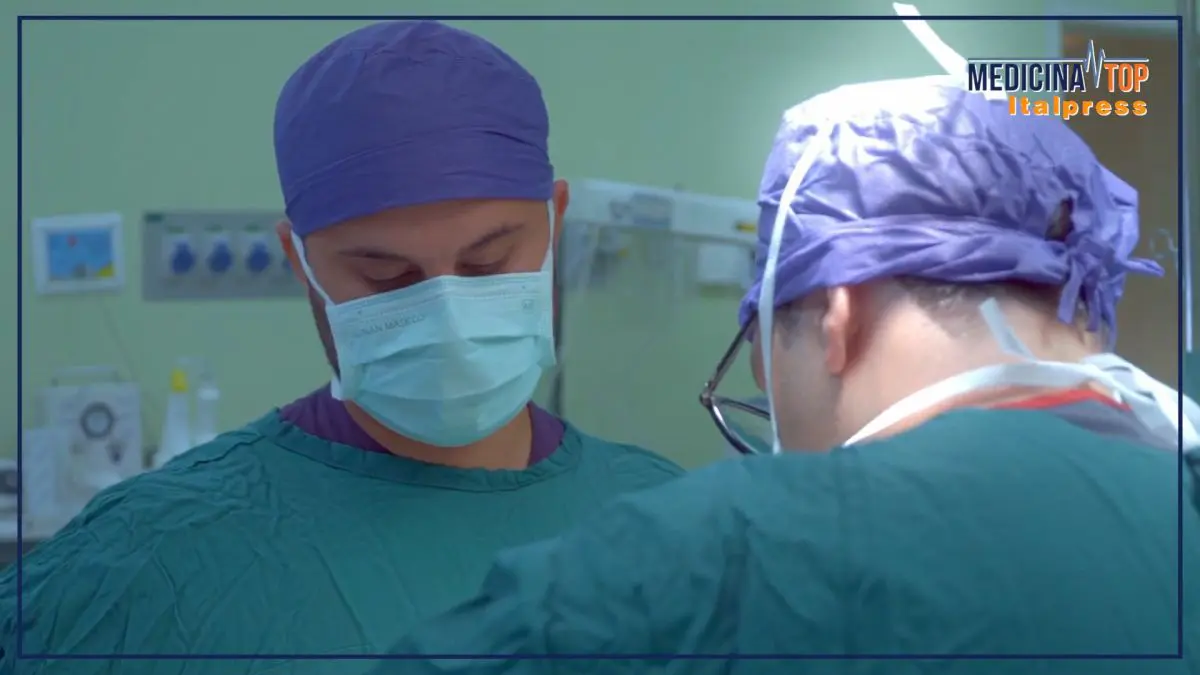
MILAN (ITALPRESS) – The surgery of hip prostheses consists in surgical substitution of the joint with artificial components biocompatible and low wear: is performed especially to treat hip arthrosis but also fractures, necrosis at the head of the femur or congenital diseases or acquired at a young age. In Italy, about 100 thousand hip prosthetic replacements are recorded every year: a growing number for the increase in life expectancy, but not only; thanks to new, less invasive surgical approaches, innovative materials and the use of navigators and robots, today the intervention is less traumatic and more precise, postoperative pain is less and the return to a normal life faster. The recovery of the walking begins already in the first hours and in most cases within 6-12 weeks an active life is resumed. “When a joint is compromised, the causes are primarily related to arthrosis but not only: Just think that one of the main reasons for making a hip prosthesis is a fracture of the proximal femur of the elderly, but there are other pathologies such as the outcome of childhood pathologies, dysplasia, head slip, tumors and infections; Many causes lead to a type of prosthetic intervention”, said Filippo Randelli, director of the complex operational unit of the orthopedic Institute Gaetano Pini of Milan and university professor, interviewed by Marco Klinger for Top Medicine, TV format of the Italpress press agency. In case of congenital diseases, Randelli explains, “the joint of the hip does not flow as it should or has altered loads: In these cases experts and surgeons carry out interventions to change the shape of the joint and this allows to delay the problem and early diagnosis. Sometimes the patient arrives with symptoms already present and excessive degeneration: the last symptoms are related to a fairly constant pain, especially in movements, and functional limitations. In this case patients can’t even put their socks on, bike, go out or get in the car, do more than 500 meters on foot: the patient notices before the surgeon who is the case of operating”. Symptoms, he continues, “start to come when there are limitations in stalking legs, inguinal pains such as pubalgia, knee problems. The problem is not only about the elderly, but also the younger: excessive sport, done without control, develops at the level of the head of the femur a draft that with time destroys the articulation”. Randelli then resumes the definition of a British medical-scientific magazine that “that hip prosthesis was defined the intervention of the millennium: there is no intervention or almost any other intervention with such high percentages of success. In recent years surgical approaches have developed with reduced invasiveness, which have the advantage of reducing functional recovery times: this especially for young people can be important. At the same time, robotic surgery is developing: we are not yet at the top, there are no robots operating but at least they help men to be more precise.” In conclusion, a warning on the selection of the doctor to get implanted the prosthesis: “80% of the world’s population goes on the Internet to choose the surgeon from to be operated, but you have to know how to choose: often those who go on the Internet stop at the first three sites, but should surf the scientific ones; even wording can be effective. The latest data tells us that a prosthesis after twenty years has a 95% survival: there is always a 5% chance of early or late failure, in this case due to wear; much depends on how the patient uses the prosthesis. If the surgeon realizes that a prosthesis is being worn, he can do a fairly simple review and change only the worn parts, but if he expects the wear material he can eat the bone and make life much more complicated to the patient but also to the surgeon. The prosthesis, if well implanted, allows to do some things even better than a joint that maybe was blocked by a congenital pathology: This does not mean, of course, to recommend high-impact sports to patients with prostheses, for that you always have to talk to the doctor and be constantly followed.”.
– Photo Italpress –
(ITALPRESS).