MILAN (ITALPRESS) – Italians attach a high value to innovation and clinical research, 78% consider it a lever for the development of the country, but less than 3 out of 10 (27.1%) are considered very or quite informed on the subject. The survey “Evaluation, perception and impact of clinical research in Italy”, carried out by AstraRicerche, shows a gap to be bridged between the broad consensus and the limited awareness of Italians on the opportunities that research can offer. It is from this need to strengthen the ecosystem of clinical research in Italy that the Catalyst project, developed by Novartis through comparison with experimenters, research centers, scientific societies and industry experts. Open new roads in medicine, explore high-impact scientific fields, not yet solved and collaborate to transform innovation into concrete value for people: it is the trajectory that accompanies Novartis in some of the most advanced frontiers of biomedical research, from precision medicine to therapies with radioligands, from siRNA to cell and gene therapies.
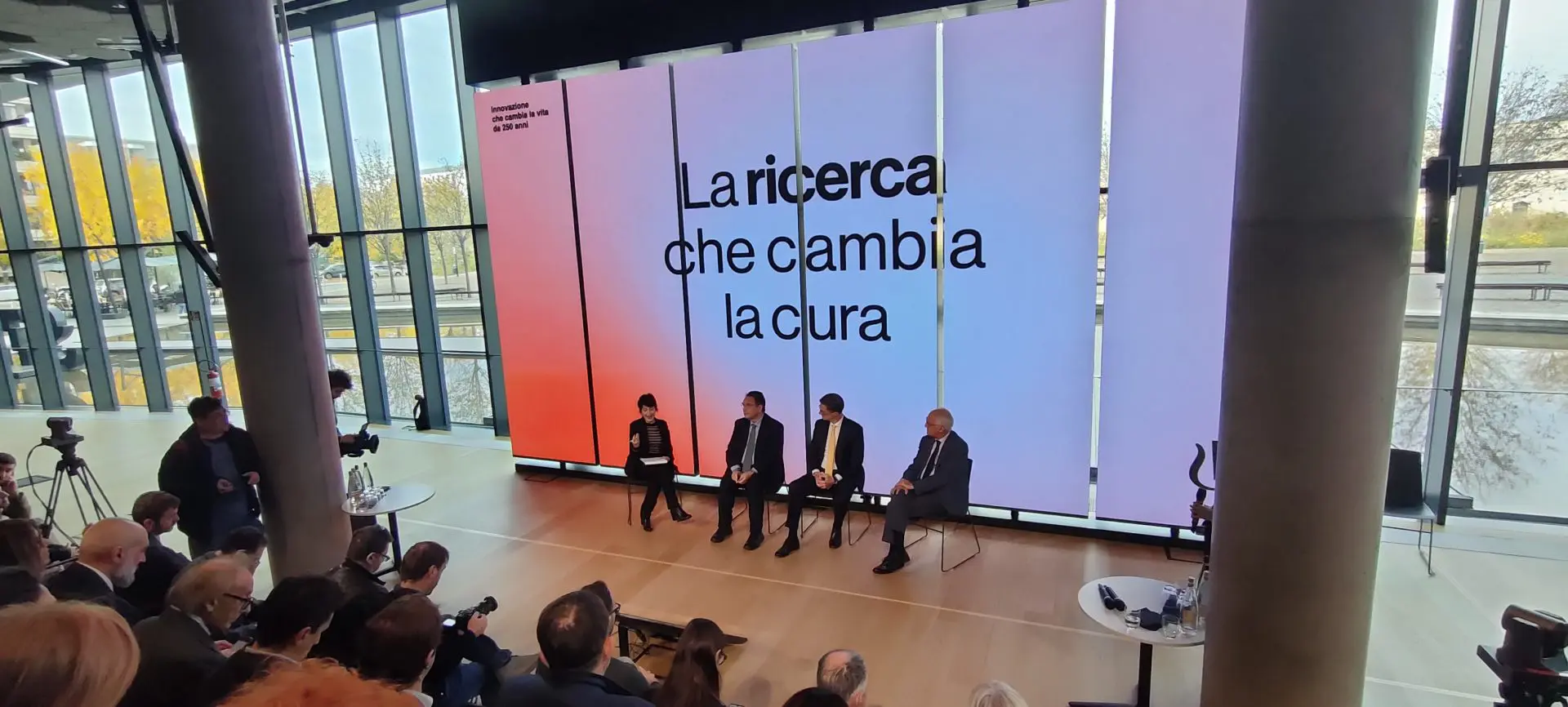
Catalyst, presented during the event “Innovation that changes life”, promoted by Novartis for the 250 years of scientific innovation and 30 years since the company was born. The project is a new step in the way the company makes available to the ecosystem health scientific innovation, skills, experience and ability to build partnerships. Clinical research represents a central area of collaboration with the health ecosystem for Novartis: with 924 clinics active in Italy and over 2,000 patients involved, Novartis contributes to a wide and qualified clinical research network. Novartis focuses its research and development activity in high-need therapeutic areas – oncology, cardiorenal-metabolic, immunology and neuroscience – through advanced scientific platforms. It is a commitment that goes beyond research: working with the health ecosystem so that the value of innovation can be translated into concretely available solutions for patients.
“Celebrating 250 years of scientific innovation does not only make us proud of our history, but renews our commitment to assume responsibility and the risks of continuing to innovate. – says Federico Mambretti, Country President of Novartis Italy – Today the challenge is not only to open new frontiers of science, but to ensure that the value of innovation can be translated into a concrete impact on people’s lives. For this reason we want to make available innovation, skills and ability to build partnerships, which contribute to reducing the distance between what research makes possible and what it really manages to reach patients.” The human value of innovation was also told by Paolo Giordano, who dedicated to the event an unpublished text, where the writer reflects on the meaning of science and the contribution that medical-scientific innovation leads to humanity, to enhance the uniqueness of individuals and to improve life concretely, in a continuous tension towards new frontiers of knowledge.
In our country, however, fragmentation and organizational differences remain, which can affect the ability to attract new studies. Other European countries have accelerated significantly: Spain is today the first European country for clinical trials, ahead of France and Germany. The Catalyst project focuses on an unseen but decisive dimension: the organization and management of clinical research in Italian hospitals. From the analysis of the factors that limit its potential, including bureaucratic and organizational complexity, lack of dedicated professional figures and silos models that hinder the integration of research into treatment paths, a project was born that aims to help centers identify the most suitable conditions to better express their potential in the realization of clinical studies helping to transform scientific progress into therapeutic opportunities. The project will soon be implemented through pilot initiatives in Lombardy, Veneto, Tuscany and Campania.
“Research is a fundamental part of the path of care and its management requires a more strategic and integrated vision, starting from the standardization and digitization of the processes of clinical studies at the centers” – commented Paolo Petralia, General Manager of the University Hospitaller Integrated (AOUI) of Verona and FIASO Vice President (Italian Federation of Health and Hospitaller Companies) –. The ambition is to create organizational conditions for research to generate tangible and measurable benefits for patients, professionals and the system, through increasingly integrated, standardized and digitised processes.”.
– photo f03/Italpress –
(ITALPRESS).