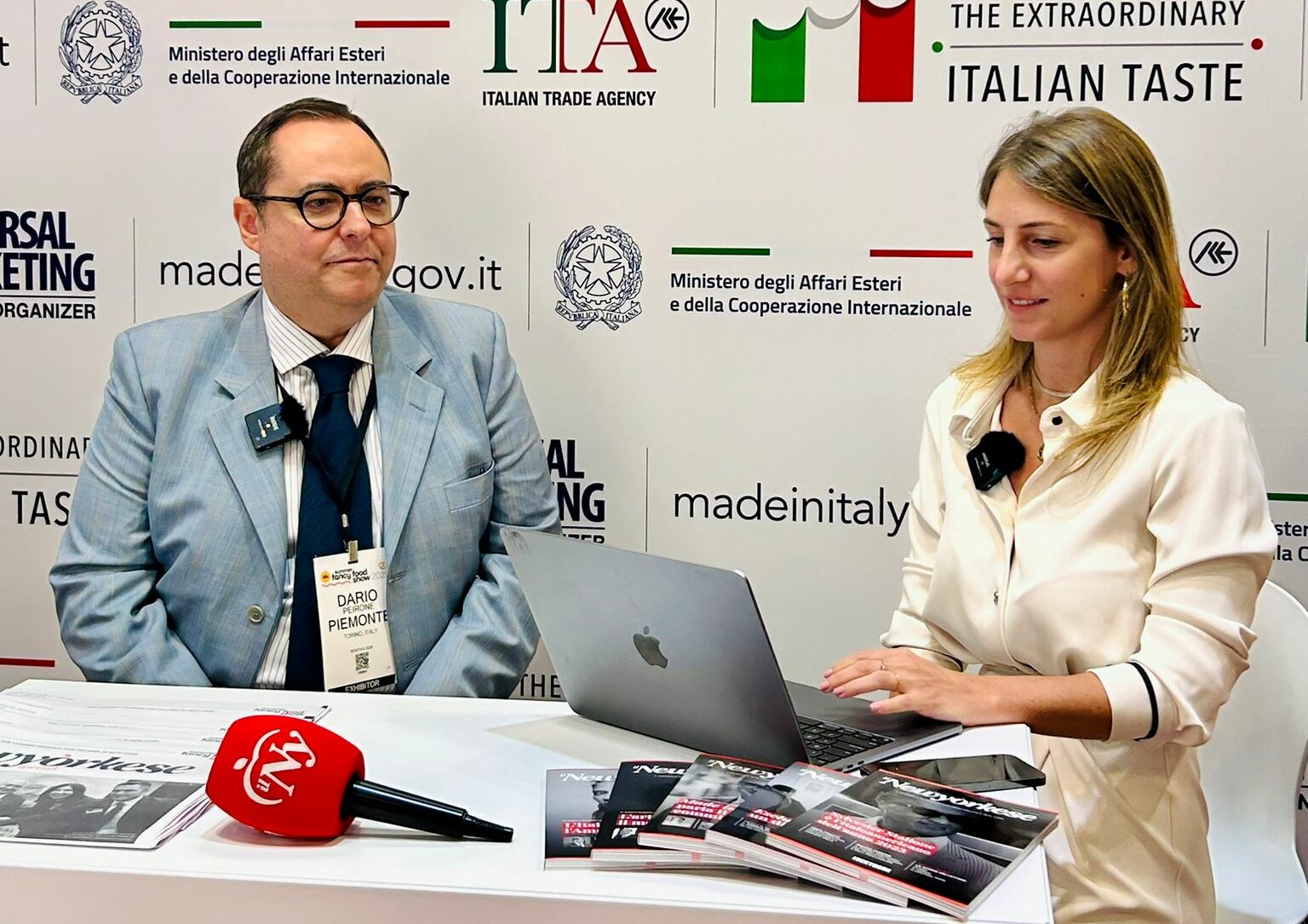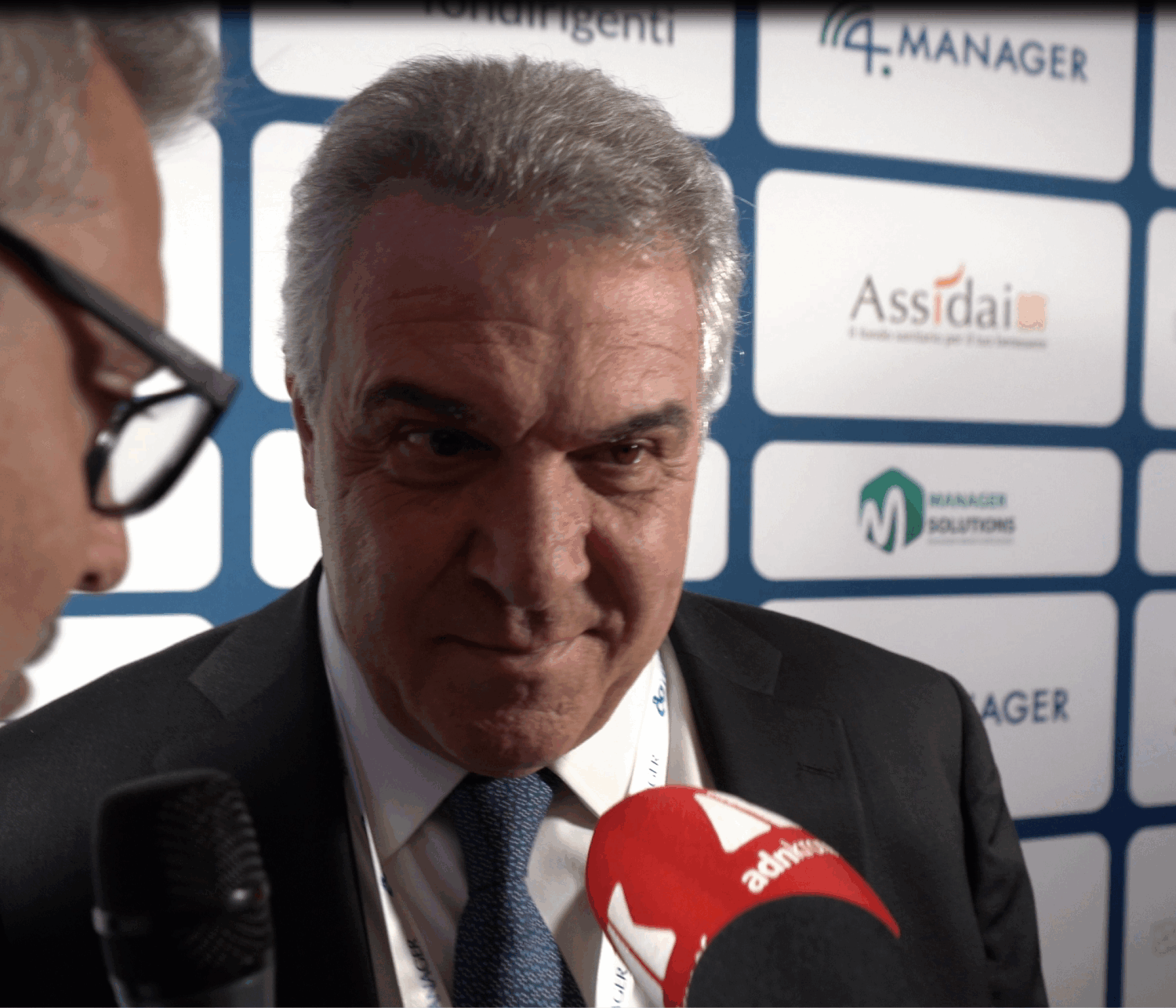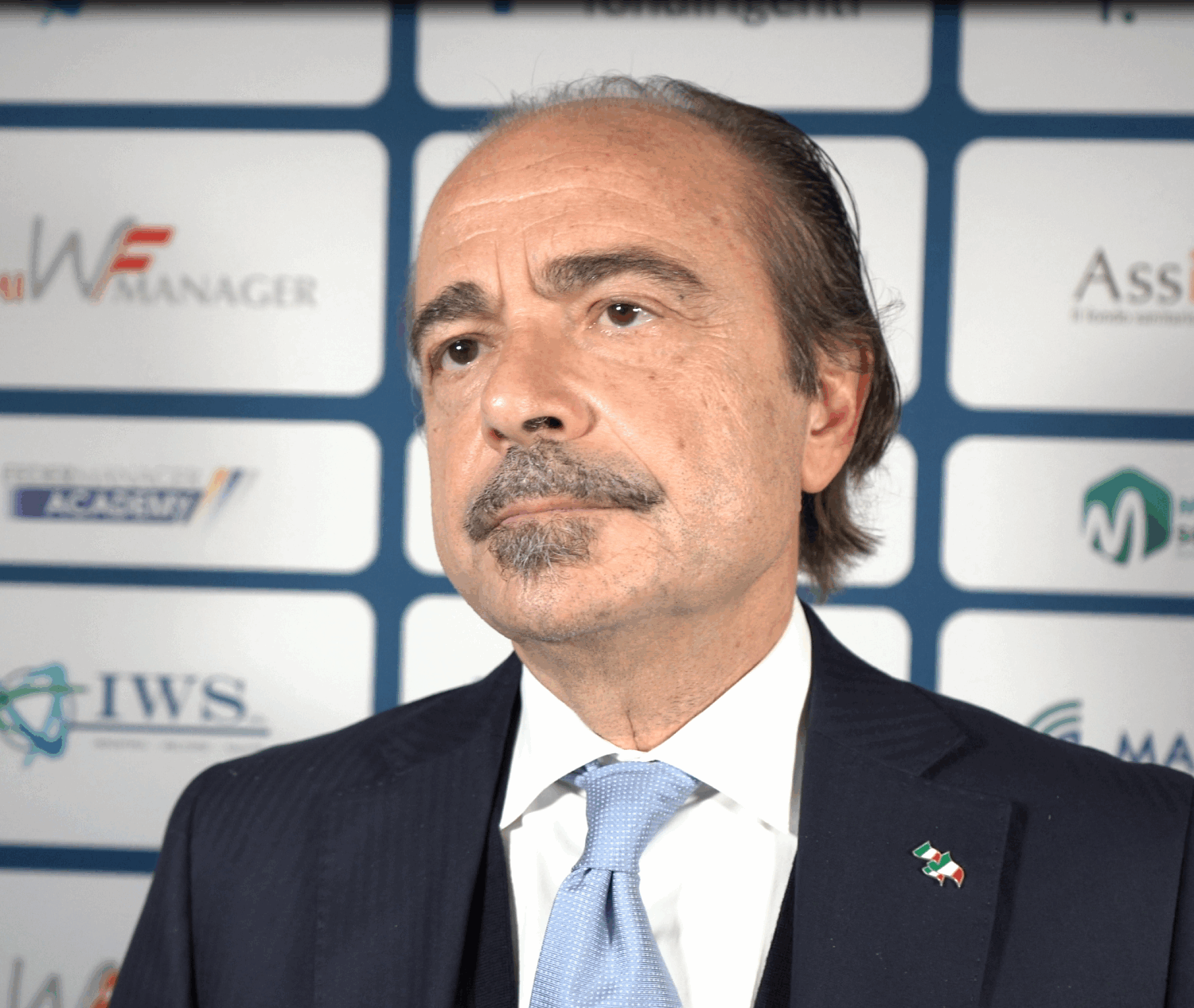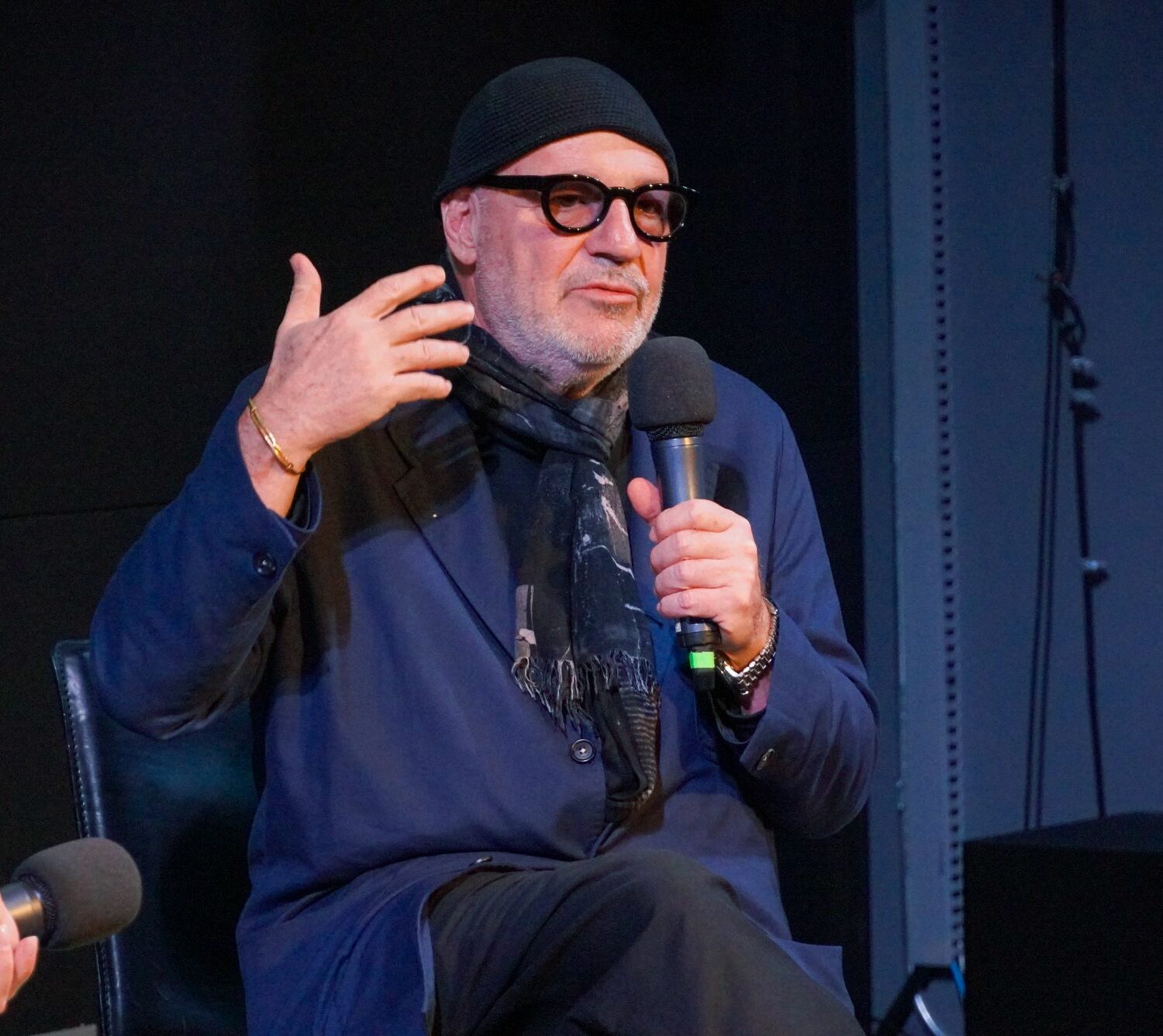
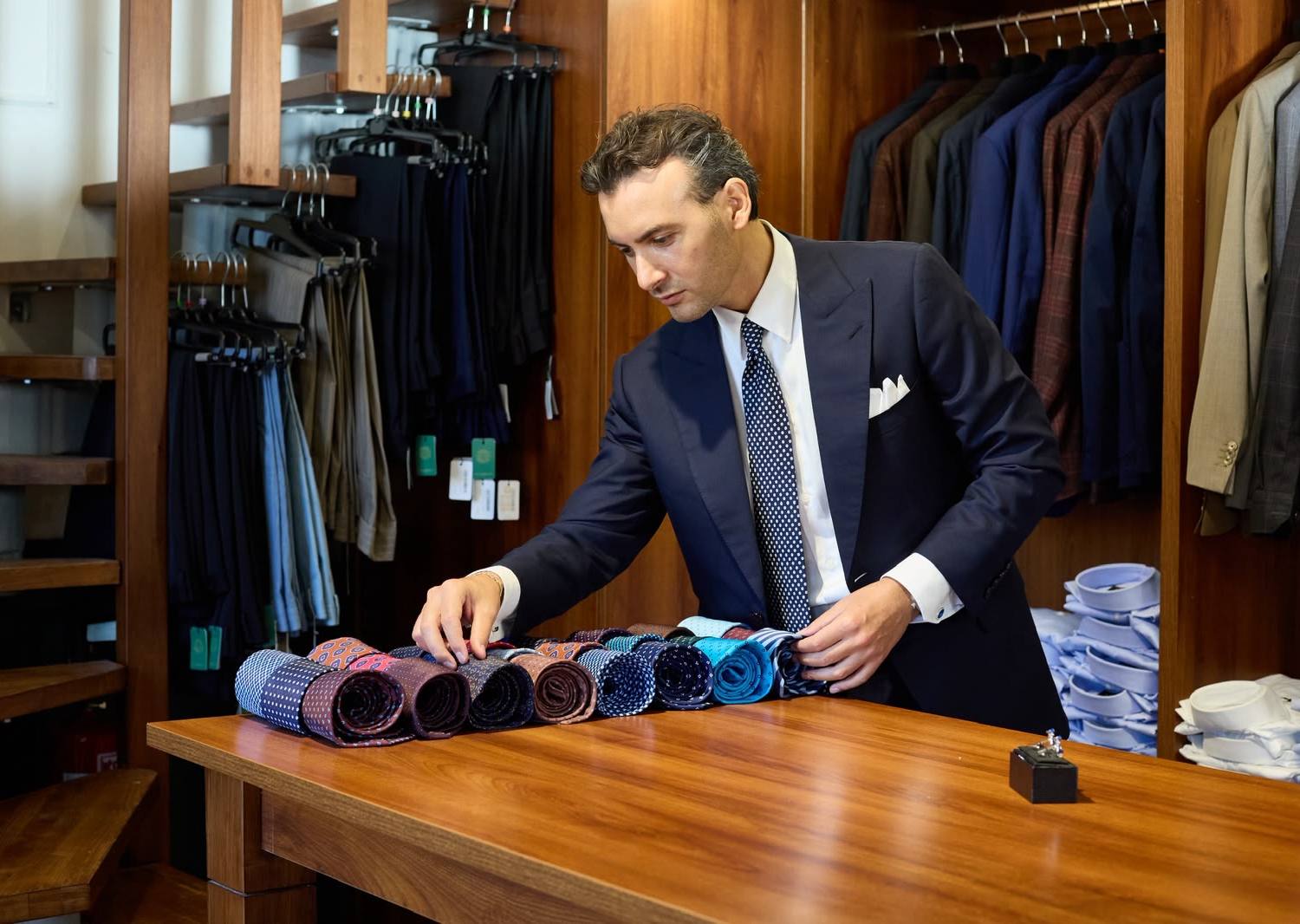
There is a considerable distance between a small Italian tailoring and the great international fashion markets, and that distance Mirko Tondi knows it well. As a child he observed his mother working until night to deliver a dress the next morning and today, as a special envoy of the Ministry of Foreign Affairs and International Cooperation for the promotion of the Italian fashion system in the world, he has the task of contributing to bring that same heritage of skills, creativity and artisanal work on the global markets.
Its path passes through the world of institutions and culture, including experience as secretary general of the De Santis Prize, before arriving at the current assignment: a responsibility that Tondi interprets with particular attention to small businesses, young people and those Italian territories where they often focus extraordinary skills, but where they lack the tools to reach international markets. The challenge is far from simple.
Fast fashion has transformed consumer habits, artificial intelligence promises to redesign entire production chains and international competition requires Italian companies to rethink their position. But for Tondi it is not a question of choosing between tradition and innovation, but to find a way to make them live together.
We meet him as he follows several international promotion projects, including The Perfect Pitch, the program that brings Italian startups to confront the American ecosystem of innovation and investments. On the table there are also new cultural initiatives, agreements with global electronic commerce platforms and a precise ambition: to transform the prestige of Made in Italy into economic opportunities.
We start from The Perfect Pitch, which leads to New York Italian startups committed to developing innovative solutions for fashion. Italy has built its reputation on tradition and craftsmanship. How important is it today to demonstrate that it can also be an innovation laboratory?
The Perfect Pitch is one of the flagship of Farnesina’s projects, precisely because it focuses on three key elements: young people, internationalization and innovation. Those who today decide to start a business in fashion can no longer just get to know the product. It must have entrepreneurial skills, know how to communicate, understand marketing and master new technologies. Innovation can intervene at every stage of the supply chain, from the search for new fabrics to the identification of new markets, to the development of creativity. The Perfect Pitch value is precisely in recognizing and supporting these abilities. We want to help a new generation of entrepreneurs transform their ideas into international opportunities.
Fast fashion has made fashion accessible to millions of people, while artificial intelligence is changing the way they design and produce clothes. Is there no risk that what makes Italian fashion unique becomes less and less relevant?
That’s a million dollar question. No one has the crystal sphere, but we can identify some trends. I often make a comparison: fast fashion is at tailoring as artificial intelligence is at natural intelligence, human intelligence. Fast fashion has flooded our cities with low quality products. Today, however, we witness almost a rejection of this model and a return of interest to quality, for the particularity of crafts and for everything that makes a product different from others. Artificial intelligence arouses conflicting feelings. It fascinates us, intrigues us, sometimes scares us. But I believe that, with time, it will become a structural component of our society and industrial production. The real challenge will be to integrate it into the chain ethically and positively. The institutions must accompany the enterprises in this transformation. As for fast fashion, I don’t think the answer is simply to counter it. We must make Italian production more competitive.
Made in Italy enjoys an extraordinary reputation, especially in the United States. Yet, for many small Italian companies, export remains complicated. Where does the link between product quality and the ability to sell it in the world stop?
Often the entrepreneurs are so focused on production to neglect everything that must accompany it. You can make an excellent product, but if you do not build marketing, communication, promotion and internationalization skills around your business, you may not be able to value it. The Farnesina, through the “Diplomacy of Growth” promoted by the Minister of Foreign Affairs and International Cooperation, is working hard to support Italian exports. Fashion crosses a phase in which we do not record an exponential growth of export, but I am convinced that the activities of promotion and the overcoming of the current geopolitical crisis can open new opportunities. My advice to entrepreneurs is to address institutions dealing with internationalization, starting with the Ministry and the ICE. Then there is a theme that I consider essential: to reach the most peripheral provinces and territories. In large cities it is relatively easy to know the opportunities available. In small centres much less. Yet, that’s where we often find some of our best craft excellence. The institutions must also arrive at them.
Italian fashion is not only an industry. It is also one of the most powerful images that our country has built in the world. Cinema has played a decisive role in this process. Is it from this awareness that CostumItaly is born?
Absolutely. The relationship between fashion and cinema has always been fundamental, especially because cinema has an extraordinary ability to convey identity, style and culture. We think of Armani’s clothes worn by Richard Gere in American Gigolo, or films like La dolce vita, Pretty Woman and The Devil dresses Prada. They are works that, in different ways, have contributed to building in the international imagination an idea of elegance and style. With CostumItaly we want to tell above all what you normally do not see: the work behind the creation of clothes for cinema and theatre. The project should be divided into four episodes of about ten minutes each. We are defining the latest details and we expect a presentation to the Ministry of Foreign Affairs. I’d like this documentary to come mainly to students and fashion schools. Because behind a cinematic costume there is an entire professional chain, made of skills and opportunities that young people often do not know”.
Another initiative, the exhibition ABITO in Singapore, uses fashion to tell the evolution of Italian society. How much does cultural diplomacy count in creating new business opportunities?
It matters a lot. ABITO is an initiative of the Directorate-General responsible for the growth and promotion of export. I have not personally treated it, but it is part of the activities I do. The exhibition traces Italian history from the post-war period to the present day through the evolution of women’s clothing, showing how dressing changed together with society. After the presentation at the Salone del Mobile, she arrived in Singapore. It is a way to strengthen the attraction of our country through culture. A similar experience was the exhibition I presented in Georgia, dedicated to the relationship between cinema and fashion, with Mariotto clothes worn by actresses such as Monica Bellucci and Sophia Loren. Participation was incredible. There is a great international focus on Italian fashion and we must continue to feed it, transforming this interest into opportunities for our companies.
So far we’ve talked about cultural projects. But if it were to indicate an initiative capable of producing immediate economic results for Italian companies, what would it point?
We are working on an idea that I particularly care about: tightening agreements with the world’s largest e-commerce marketplaces to organize specific promotion opportunities for the Italian fashion industry. The aim would be to promote, for limited periods, Italian products under particularly advantageous conditions on foreign markets, not on national markets. It would be a concrete way to increase the economic attractiveness of our productions and bring new consumers closer to Italian brands. I would also like to bring to Pitti an installation dedicated to internationalization opportunities. I imagine a space where emerging brands can learn about the tools available and identify the right contacts in different markets. We are also planning a very innovative traveling exhibition, which will not be a simple exhibition. The idea is to create an atelier surrounded by Italian works, with a strong interactive component. I don’t want to unveil the name yet, because it contains an important part of the concept. My objective, during this mandate, is to give tangible answers to the operators of the sector. The promotion is important, but it must also produce concrete results.
She has worked in institutions and in the world of culture. Today it is an area that, in reality, has known for a long time before taking this assignment. How much did you count on growing up in a family linked to tailoring?
He counted everything. I don’t think I got anywhere. I still have so many ambitions, but I try to deal with them with realism and humility. The most important thing, for me, is not to have been distorted. My mother’s tailoring and my father’s activities are my roots. I know the fatigue behind the creation of a dress. I saw my mother spend entire nights working to deliver a dress the next day. I saw her disassemble and reassemble a head to correct a small mistake that maybe no one else would notice. When I talk about Italian fashion in the world today, I also think about that effort. I think of every tailor and every tailor in our country. Being able to tell and value their work is a huge satisfaction, much more important than the role I play.
Is there a teaching of his parents who feel particularly present in the way he faces public responsibilities?
Humility. And the awareness of never coming. They taught me to always build something, without losing their identity, and above all to put before all education and respect for people. I think it was the strongest weapon I’ve had in these years. My father, by the way, is a great football fan. If I had to use a sports metaphor, I’d say that if I could give my parents only a part of what they gave me would be the biggest goal of my life.
We return to international markets for a moment. Imagine having thirty seconds in front of an American or Asian investor. Why should you choose Italian fashion instead of focusing on a larger market or less expensive production?
Because Italian fashion is one of the best expressions of our Mediterranean identity, our culture and our ability to create beauty. We have a productive tradition that attaches great importance to environmental and ethical sustainability, to the knowledge of artisans and to the quality of work. We are able to make customized products, built around the person. You can enter an atelier, take the measurements and get a dress designed exclusively for you. But above all, every Italian product brings with it a story. A story that the world recognizes and appreciates. Everyone wants to be Italian. Everyone wants to dress Italian. Why, then, not invest in Italy? .
L’articolo Mirko Tondi, the man who brings Italian fashion to the world proviene da IlNewyorkese.