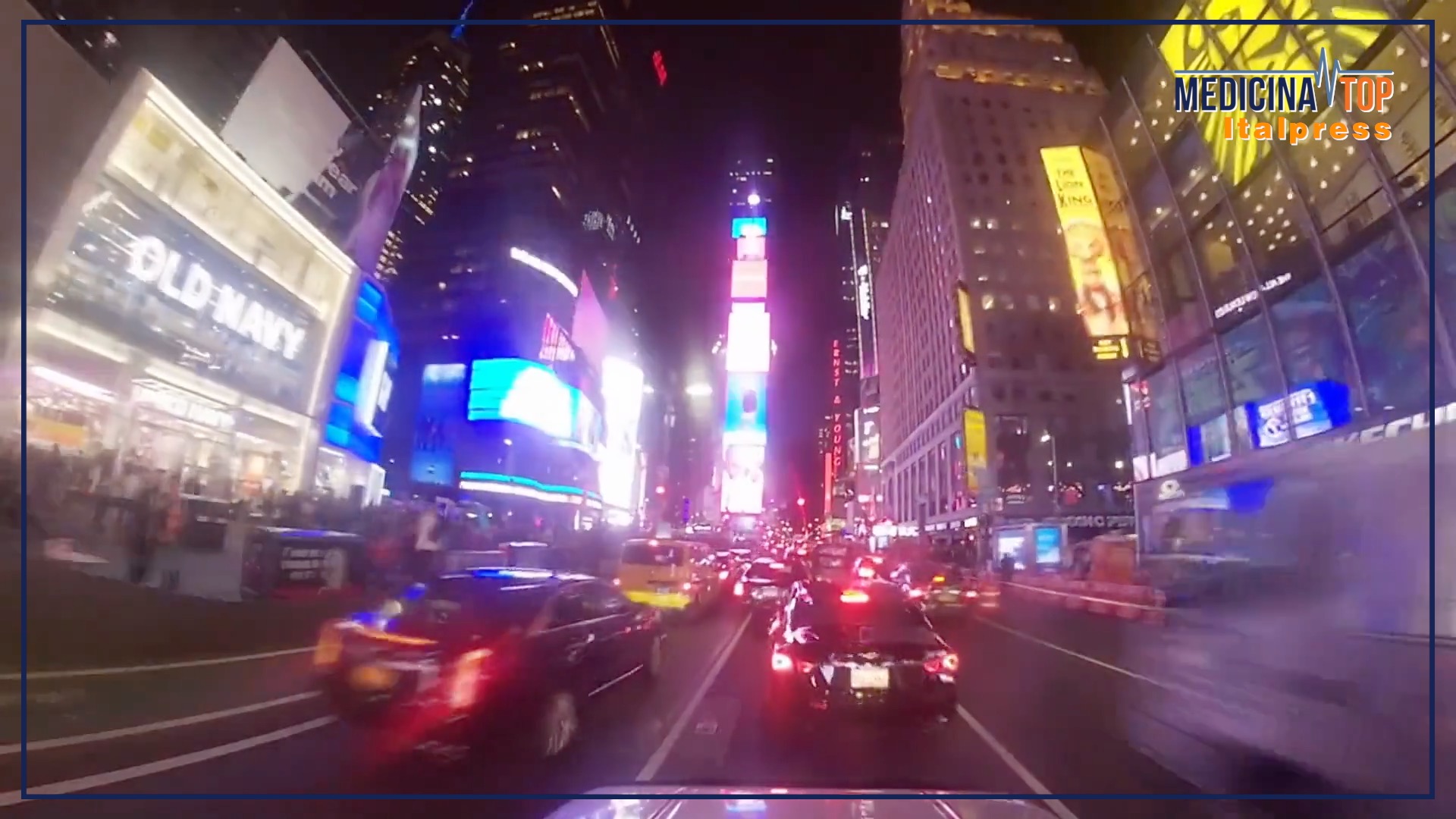
ROMA (ITALPRESS) – Light pollution is the excessive or inappropriate presence of artificial light during night hours, mainly caused by street lighting, buildings and advertising facilities. Often underestimated, it has important consequences on the environment, alters the biological rhythms of many animals, interferes with the migration of birds and with the orientation of insects, changes ecosystems and makes it increasingly difficult to observe the starry sky: it can also interfere with the circadian rhythm of man, our biological clock that regulates sleep and wake.
Reducing light pollution does not mean giving up light but using it in a smart and responsible way, illuminating only where it serves, to the extent necessary and in the most appropriate times.
“The alternation between light and darkness represents the rhythm of life: from what the Earth exists, and therefore rotates on itself, the stimulus to the life of any living being comes from this alternation. The light arrives at the retina and takes a particular beam direct to the hypothalamus; It is as if it were a switch, with the light you are awake and active and with the darkness you rest or sleep.” Roberto Manfredini, an ordinary professor of internal medicine at the University of Ferrara, interviewed for Top Medicine, TV format of the news agency Italpress.
The boom of light pollution, explains Manfredini, happened “between 2010 and 2011 when it became mandatory to use leds, less pollutants and less expensive, instead of the glowing bulb: from that moment all started to illuminate, from the United States to some regions of Asia to Europe. Among the places that hold the record of the world are the Po Valley and Milan: the Atlas of the World Enlightenment, by Fabio Falchi, made it very evident already in 2016. Light pollution means excessive exposure to light when there should not be, therefore mainly at night: of this we blame the environment. This pollution also happens at our home, if for example we keep the lights on all night: even the frequent use of led devices is domestic light pollution”.
Sleeping with the lights on, he adds, “can have a negative influence on sleep: the scientific literature of recent years has shown how the statistical risk of fattening increases even only by sleeping with the stage raised or forgetting on TV or a light bulb. Between light pollution and diabetes the common denominator is a non-quality sleep: studies ten years ago showed that in the very enlightened areas people sleep badly, wakes up at night, has slow sleep. This raises the stress hormones, especially cortisol and adrenaline, which promote insulin resistance and long go metabolic syndrome, until you possibly get to diabetes: you should also consider that if you sleep little and bad you also get to eat at night. It is also necessary to educate children not to expose themselves, in the two hours preceding sleep, to all those devices that emit led light, from smartphones to e-books to video games. The current technologies are particularly developed and so are the lights, which can adapt to the rooms: there is no good or bad light, there is only a right light at the right time.”.
-Photos taken from video Top medicine
(ITALPRESS).